Walking More But Feeling Stiffer?
Many people try to walk more to stay healthy — but stiffness, knee discomfort, leg fatigue, or slower walking can still happen. This short mobility check helps you understand what may be happening, and what small adjustments might help.
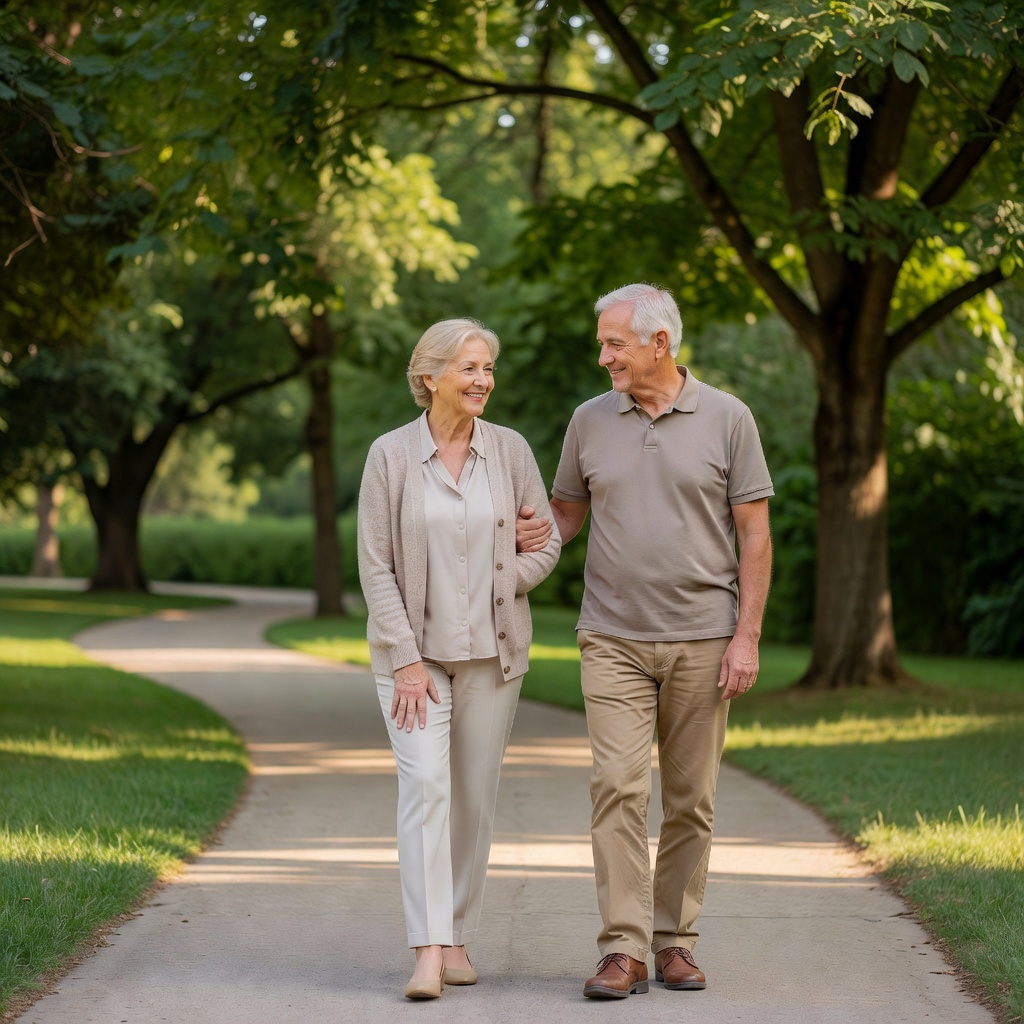
Walking Should Feel Natural. But For Many People, It Quietly Gets Harder.
These are some of the most common things people notice after 50 — and most people assume it's just age.
Knees feel stiff after walking
That familiar ache when you get up after sitting or finishing a walk.
Legs get tired faster than before
You used to walk much further without feeling worn out.
Walking slower than you used to
You notice you can't keep pace the way you once could.
Feet hurt after longer walks
Discomfort in the heels, arches, or ball of the foot.
Need to stop and rest more often
Shorter distances feel like they require more breaks.
Balance doesn't feel as solid
Uneven ground or steps feel less steady than they used to.
Uphill walking feels much harder
Inclines that felt easy now feel draining.
"Many people think this is just a normal part of aging. But research suggests that much of this is related to how your body has adapted its walking pattern over time — not just age itself."
Most People Develop A Walking Pattern Over Time — And Don't Know It
Over the years, your body quietly adjusts how it walks based on what it's protecting, compensating for, or adapting to. This happens gradually — and most people never notice until walking becomes less comfortable.
Patterns develop from:
"Once you understand your walking pattern, you can make small, targeted adjustments that may help walking feel more comfortable, more energizing, and more sustainable."
How The 2-Minute Mobility Check Works
Answer a few quick questions
About your walking, stiffness, balance, and how your body feels during and after walks. No right or wrong answers.
Discover your likely mobility pattern
Based on your answers, you'll be matched to one of four common walking patterns adults develop over time.
Get practical guidance
See suggestions, resources, and small adjustments that may help improve walking comfort and endurance.
What You'll Walk Away With
Ready To Understand Your Walking Better?
This is not a medical test. It is a simple awareness tool to help you better understand your walking ability and how your body moves.