Freedom Doesn't Have
an Age Limit
The world is still waiting for you. Don't let a change in walking keep you from the parks, the paths, and the independence you love.
It's time to get your Saturdays back.
The Short Answer
If your world feels like it's getting smaller, an electric tricycle is a powerful way to expand it again. It's not about doing less—it's about going further with total confidence.
"But it's not for everyone. The key is understanding why walking is getting harder—and whether a trike solves the right problem for you."
You're Not Imagining It
It starts with a longer route you decide to skip or a hill that suddenly looks steeper. These small moments are your body's way of asking for a new kind of support:

You might notice it when:
"It's not that you can't walk. It's that walking takes more effort than it used to."
This Isn't Your Fault
Your body hasn't failed you; it has simply changed. Understanding these shifts is the first step toward finding a way to move that feels light and joyful again.
1. Leg Strength Declines
Your muscles—especially in your hips and thighs—do most of the work when you walk. Over time, muscles get weaker, push-off becomes less powerful, and steps get shorter. This makes walking feel tiring faster.
2. Balance Becomes Less Reliable
Balance is something you don't think about—until it changes. You may notice uneven ground feels risky, turning feels slower, and you hesitate on curbs or steps. That alone can slow you down.
3. Joint Stiffness Builds Up
Hips, knees, and ankles need to move smoothly. But stiffness can develop from sitting too much, past injuries, or natural aging. This leads to a shorter stride, slower walking speed, and more effort per step.
4. Energy Drops Faster
Walking uses more energy than it used to. You may feel tired halfway through your usual route, slower recovery after walking, and less confidence to go farther. This often leads to walking less—which makes the problem worse.
If This Sounds Familiar...
When your mobility changes, it often shows up in these small, frustrating patterns:
"You don't need all of these. Even a few signs can mean your body is working harder than it should."
What Changes When You Ride
This is more than a piece of equipment—it's your ticket back to the places you love. It transforms the effort of moving into the pure joy of being outdoors.

Reduces Load on Your Legs
The electric assist helps push you forward, reduce strain on muscles, and make hills manageable. You still move—but with support.
Improves Stability
Three wheels instead of two means no balancing required at stops, less fear of tipping, and more confidence on uneven surfaces. This is a big deal if balance is a concern.
Extends Your Range
You can go farther, longer, and more often without worrying about getting too tired to come back.
Keeps You Active
This is the most important part. Instead of stopping activity, you adapt it. That keeps your body moving—and that matters more than perfection.
See the Trike That Changes Everything
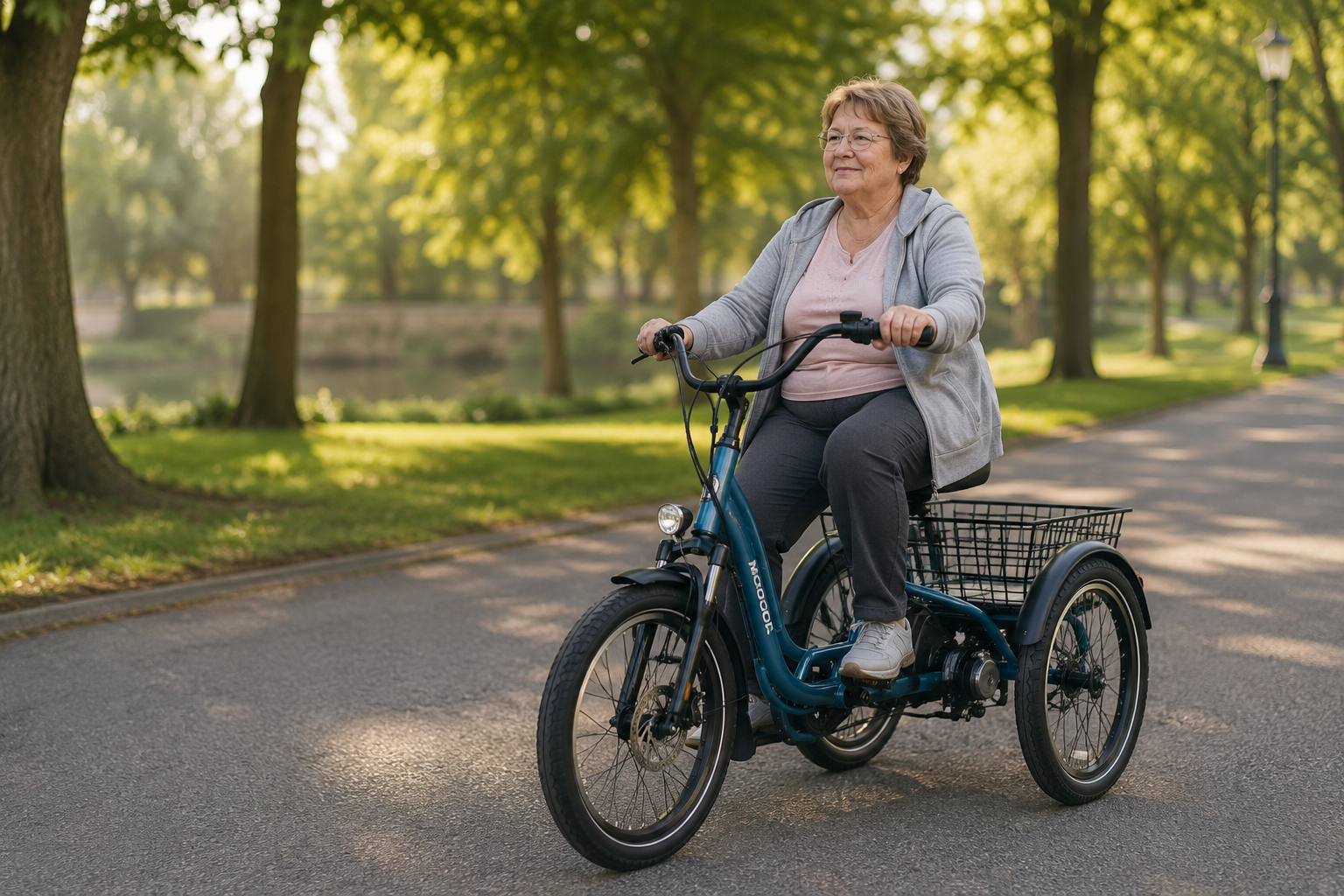
The Mooncool TK1 is designed for exactly this — a stable, comfortable way to get back outside without worrying about tired legs or balance.
Small Changes That Make a Difference
Regaining your independence starts with small, daily wins that build your confidence from the ground up:
Walk Shorter, More Often
Instead of one long walk, try 5–10 minute walks repeated 2–3 times a day. This reduces fatigue.
Focus on Smooth Steps
Think slow and steady, heel to toe, relaxed posture. Not speed.
Strengthen Key Muscles
Focus on thighs for pushing, hips for stability, and calves for movement. Even simple chair exercises help.
Use Support When Needed
Walking poles, supportive shoes, and taking breaks are smart adjustments—not giving up.
Support That Moves With You
The right tools don't just solve a problem—they open doors to new experiences and more active days.
Supportive Walking Shoes
Improve comfort, reduce joint stress, help stability
Insoles
Improve alignment, reduce foot fatigue, make walking feel easier
Compression Socks or Leg Support
Helpful if you feel heavy legs, swelling, or tiredness after walking
Recovery Tools
Some people use leg massagers or compression devices to help legs feel lighter after activity
Electric Tricycles
Brands like Mooncool focus on stability, comfort seating, and easy step-through frames. This becomes a bridge from struggling to move to moving confidently again.
Is This the Freedom You've Been Looking For?
What About When It's Not the Best Fit?
Be honest with yourself. A tricycle may not help if:
- You have very limited leg movement or coordination.
- Getting on and off the frame feels physically difficult despite a step-through design.
- You know you won't use it regularly or don't have a safe place to ride.
It works best when you still want to stay active, but just need support—not a full replacement for movement.
The Big Walking Insight
The goal is not to walk perfectly.
The goal is to keep moving consistently.
When walking gets harder, many people do less. That leads to more stiffness, more weakness, and less confidence.
An electric tricycle changes that pattern. It allows you to stay active, keep a routine, and maintain independence—even if your walking isn't what it used to be.
A Simple Way to Think About It
Instead of asking: "Should I stop walking?"
Ask: "What helps me keep moving comfortably?"
For some people, that's better shoes, shorter walks, or strength exercises. For others, it includes an electric tricycle. Both paths are valid.

"Independence means being able to enjoy the simple things again—like a morning at the market without worrying about the walk back."
Common Questions About Your New Path
Ready to Ride Your Own Path?
The Mooncool TK1 is built for exactly this—stable, comfortable, and ready when you are.
See the Mooncool TK1Final Thought
"If walking feels harder, you're not alone. And you're not out of options."
"An electric tricycle isn't about giving up walking. It's about giving yourself a new way to keep going. And sometimes, that's exactly what keeps everything else moving forward."