
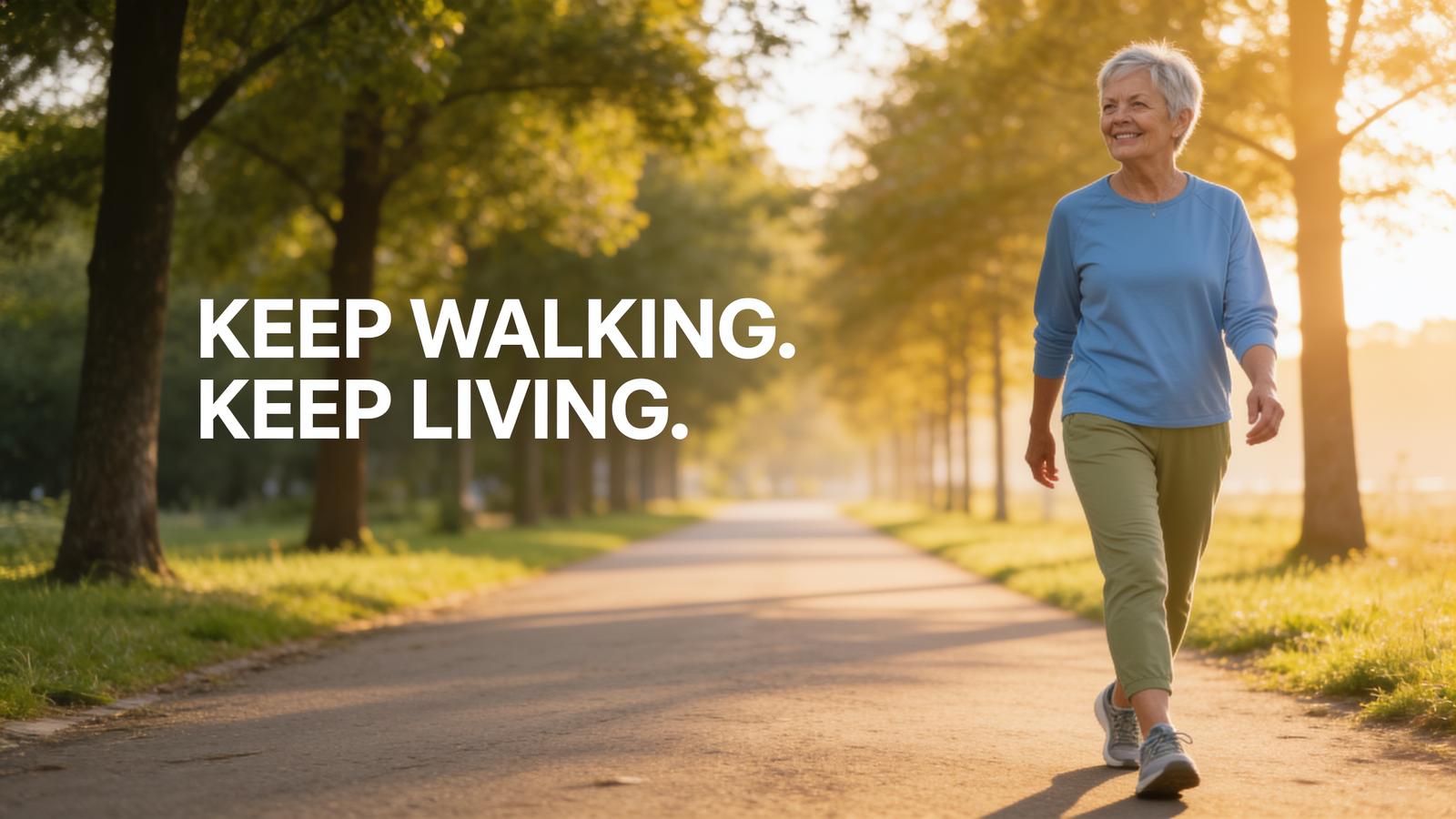
For many women in their 60s, 70s, and beyond, the real goal is not simply to weigh less. It is to keep doing ordinary, deeply important things without feeling limited by pain, heaviness, breathlessness, or weakness: walking through the airport, climbing the steps to a grandchild's front door, shopping without needing to sit down halfway through, getting up from a restaurant chair with confidence, and trusting your legs on uneven ground.
That is why any conversation about GLP-1 medications after 50 has to be bigger than the scale. Canadian obesity guidance emphasizes that treatment goals should be based on the person's values, health, and quality of life, not only on kilograms lost. Those same guidelines also warn that excessive weight loss can bring weakness, malnutrition, sarcopenia, or frailty if muscle is not protected. And because mobility is closely tied to independence in later life, preserving strength is not cosmetic; it is functional.
The reassuring news is that, for some adults, medically supervised weight loss can make walking feel easier. Less body weight can mean less load on painful joints, less effort with each step, and better endurance. But the best outcomes happen when weight loss is paired with enough protein, strength work, hydration, and regular movement so that the body loses more fat while holding onto as much functional muscle as possible.
Why This Conversation Matters More Than the Scale
If you are considering a GLP-1, it helps to define success in practical terms. A successful plan is not just "my weight went down." It is "the stairs feel less daunting," "my knees ache less at the grocery store," "I can walk longer before my legs feel heavy," or "I feel steadier getting out of a chair." Obesity Canada's current pharmacotherapy guidance explicitly says treatment targets can include reduced cardiometabolic risk, improvement or remission of weight-related complications, management of appetite, maintenance of weight loss, and improved quality of life.
This matters especially after midlife, because mobility loss has consequences that go far beyond fitness. The National Institute on Aging notes that older adults who lose mobility are less likely to remain living at home and have higher rates of illness, disability, hospitalization, and death. In other words, walking ability is one of the clearest day-to-day markers of whether a weight-loss plan is helping your life or quietly making it harder.
A useful way to think about GLP-1 treatment after 50 is this: the medication may help reduce the burden your body carries, but your daily habits help determine whether the body that remains is still strong enough to carry you well. That is why medically supervised weight loss should always be paired with a discussion about nutrition, strength, balance, fatigue, and function, not just appetite or dose. Canadian guidance specifically recommends ensuring adequate nutrition and protein intake and emphasizing physical activity to retain muscle mass from the start of treatment.
What GLP-1 Medicines Are and How They Can Support Walking
What these medicines are in plain English
GLP-1 receptor agonists are prescription medications that mimic glucagon-like peptide-1, a hormone your body naturally releases after eating. In plain English, they help you feel fuller, reduce hunger, and influence how quickly food leaves the stomach. The National Institute of Diabetes and Digestive and Kidney Diseases explains that these medicines target brain areas involved in appetite and food intake. In Canada, semaglutide and liraglutide are GLP-1–based obesity medications, and tirzepatide is a related medicine that acts on both GIP and GLP-1 pathways.
These medications are not meant to work in isolation. The Canadian product monographs for Wegovy and Zepbound both state that they are used as an adjunct to a reduced-calorie diet and increased physical activity. That phrase matters. It means the medication is intended to support a broader plan rather than replace food quality, movement, or strength work.
Because these are prescription medicines, your clinician has to determine whether they fit your health picture, medications, side-effect risks, and goals. The NIDDK also notes important contraindications for some GLP-1 medicines, including a personal or family history of medullary thyroid cancer or MEN 2. Shared decision-making is part of good care here.
Why supervised weight loss can improve walking for some people
When extra body weight is contributing to pain and reduced function, weight loss can make walking feel easier for very physical reasons. One classic study in adults with knee osteoarthritis found that for every pound lost, knee joint load fell by about four pounds per step during daily activities. That mechanical change adds up quickly across hundreds or thousands of steps in a day.
Clinical trials also show that weight loss can improve pain and function when obesity is part of the problem. In people with obesity and knee osteoarthritis, once-weekly semaglutide produced greater reductions in body weight and knee-osteoarthritis pain than placebo, with improvement in physical function as well. Earlier studies in older adults likewise found that weight loss combined with exercise improved physical function and 400-metre walk performance.
That said, weight is not the only reason someone may have knee pain, heavy legs, swollen feet, or poor endurance. Osteoarthritis can cause knee pain, swelling, stiffness, and difficulty walking, climbing, and getting in and out of chairs. Leg swelling can come from fluid buildup related to inactivity, prolonged sitting or standing, vein problems, lymphatic issues, heart or kidney problems, and other causes; being overweight can contribute, but it is not the only explanation. That is why a walking problem deserves clinical context, not assumptions.
People most likely to notice easier walking are often those whose excess weight contributes to joint overload, breathlessness, or reduced confidence with activity. At the same time, some older adults lose weight without gaining expected function if they lose too much lean mass or reduce activity because of side effects, which is why individualized goals that focus on function, not just the scale, matter most.

What may improve with well-supported weight loss
Less load on knees and feet, easier transfers, better endurance, less knee pain when obesity is part of the problem.
What can get in the way
Too little protein, reduced strength training, dehydration, constipation, prolonged nausea, or excessive weight loss with weakness or frailty.
Why Muscle Preservation Matters More After 50
Muscle is mobility insurance
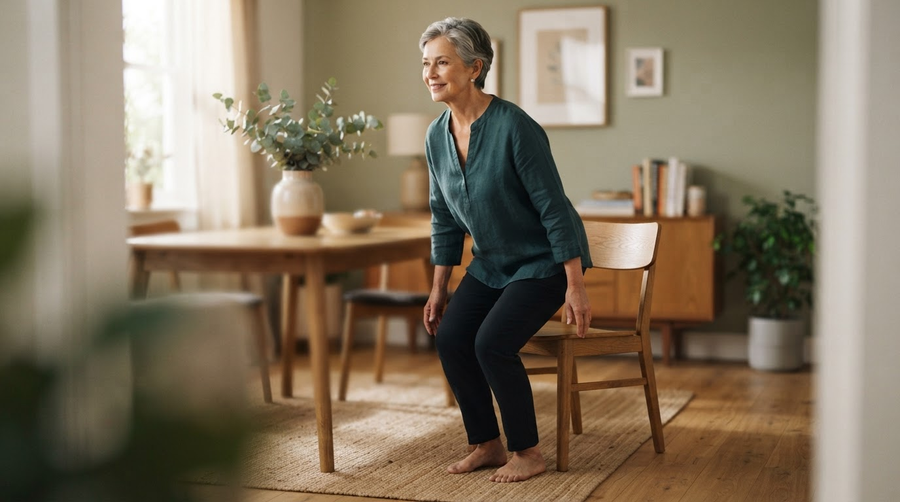
After 50, and especially after 65, muscle is not just something that helps with exercise. It is what lets you rise from a chair, climb stairs, react when you trip, carry groceries, and keep your walking stride from becoming slow and shuffling. The National Institute on Aging links sarcopenia with weakness, fatigue, low energy, and difficulty standing, walking, and climbing stairs. It also notes that about 30% of adults over age 70 have trouble with walking, getting up out of a chair, or climbing stairs.
Modern sarcopenia guidelines also emphasize that low muscle strength is one of the most important clinical signs of muscle decline, and that poor physical performance marks more severe disease. In everyday terms, that means your body may signal trouble functionally before it is obvious visually. If stairs feel harder, chair rises get slower, or you begin avoiding longer walks, that deserves attention.
This is why women often say, "I don't just want to be thinner; I want to feel steadier." That instinct is exactly right. Muscle loss affects far more than appearance. It changes confidence, walking speed, balance recovery, and your margin of safety when life is unpredictable. And because older adults who lose mobility are less likely to remain living independently, protecting strength is really about protecting daily freedom.
What can happen to muscle during GLP-1 weight loss
Significant weight loss from any method usually includes some loss of lean mass, not just fat. The question is how much, and whether you are actively protecting what your legs and hips need to function well. Recent reviews of semaglutide and other potent GLP-1 receptor agonists report that fat mass usually falls more than lean mass, which is good, but lean mass can still decline meaningfully enough to matter for older adults.
Body-composition studies help explain the concern. In adults with overweight or obesity, semaglutide was associated with reduced total fat mass and visceral fat along with improved overall body composition, but not with pure fat loss alone. Similarly, the SURMOUNT-1 DXA substudy with tirzepatide showed a favourable shift in body composition but still documented reductions in lean body mass. In a 2025 review, the reported fat-mass reduction was substantially greater than lean-mass reduction, yet lean loss still occurred.
That does not mean GLP-1 treatment is bad for muscle by definition. It means older adults should not assume that "weight loss" and "better function" are automatically the same thing. The safest interpretation of the evidence is this: these medicines can be highly effective for reducing body weight and improving some obesity-related conditions, but preserving strength requires an intentional plan.
How losing muscle changes daily function
When muscle goes down too fast, walking often becomes less efficient before people realize what is happening. The body may feel lighter on the scale but less capable on the stairs. Balance reactions can slow. Standing from a low chair may require pushing with the arms. A once-manageable shopping trip may leave the legs trembling.
The simplest functional signs are often the most important. The SARC-F screening questions focus on five everyday domains: strength, assistance with walking, rising from a chair, climbing stairs, and falls. Those are exactly the skills that matter most to an older adult trying to remain independent.
How to Protect Strength, Balance, and Endurance During Weight Loss
Make protein a daily priority
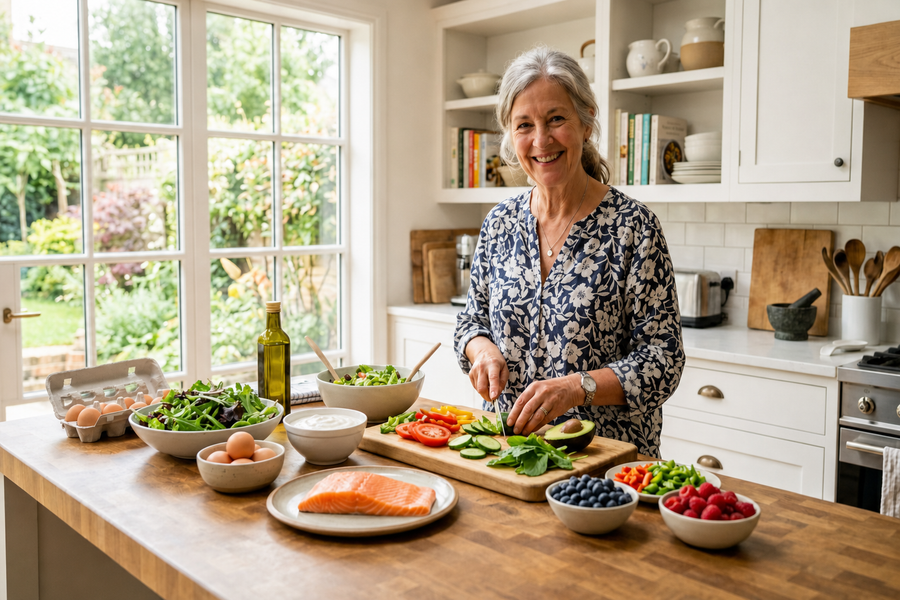
For older adults, especially during intentional weight loss, protein is not optional. ESPEN's practical geriatric nutrition guideline recommends at least 1 gram of protein per kilogram of body weight per day for older persons, adjusted for nutritional status, physical activity, disease, and tolerance. Multiple expert groups recommend roughly 1.0 to 1.2 g/kg/day for healthy older adults, with higher amounts sometimes needed during illness or rehabilitation if medically appropriate.
Why does this matter with a GLP-1? Because appetite often drops. If you are eating less overall, protein can fall silently unless you deliberately protect it. Food-first choices are usually best: eggs, Greek yogurt, cottage cheese, fish, poultry, tofu, beans, lentils, milk, soy beverages, and other protein foods recommended in Canada's Food Guide. If kidney disease or another medical condition affects protein recommendations, your physician or dietitian should individualize the target.
A practical strategy is to include some protein each time you eat rather than saving nearly all of it for supper. Evidence in older adults suggests that around 25 to 30 grams per meal can effectively stimulate muscle protein synthesis, although the total daily intake still matters most. If large meals are unappealing on a GLP-1, smaller protein-containing meals may be easier than one big dinner.
Do resistance exercise, not walking alone
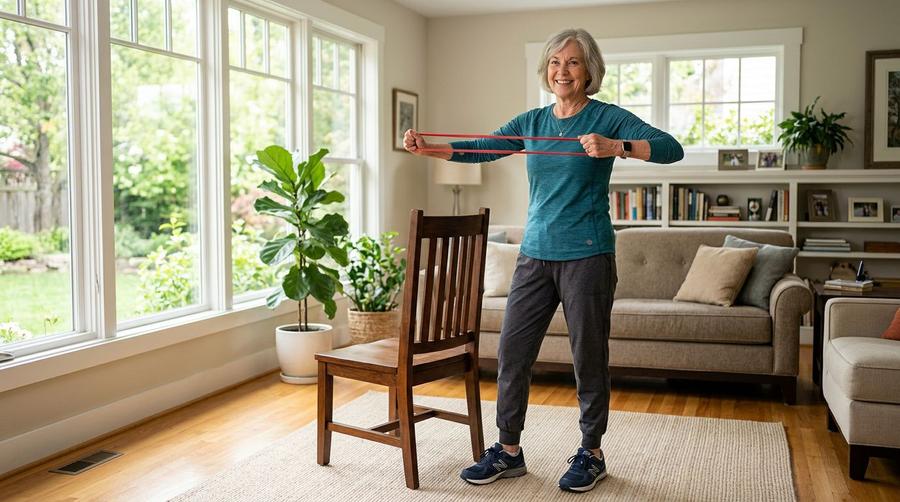
Walking is excellent, but walking alone is not the best protection against muscle loss during weight loss. Older adults need muscle-strengthening activity in addition to aerobic activity. WHO and NIA guidance recommend muscle-strengthening work involving major muscle groups at least two days per week, and balance-focused activity on three or more days per week for those with poor mobility or fall risk.
That strength work does not have to be fancy. Resistance bands, hand weights, weight machines, sit-to-stands, wall pushups, step-ups, squats to a chair, and heel raises all count. NIA specifically includes resistance bands and body-weight exercises among appropriate muscle-strengthening options for older adults.
This is more than a general tip. In older adults undergoing intentional weight loss, resistance training has been associated with less lean mass loss than aerobic-only training, while still improving physical function. Other studies in obese older adults show that combining calorie restriction with both aerobic and resistance exercise helps preserve muscle quality and muscle protein synthesis better than weight loss alone.
Keep walking, but build it gently
Regular walking remains central because it supports endurance, heart health, mood, circulation, and real-world function. NIA and WHO recommend at least 150 minutes of moderate-intensity aerobic activity weekly for many older adults, but both organizations also emphasize doing what you can and building from your current level. If you are using a GLP-1 and navigating side effects, shorter walks absolutely still count.
A smart approach is to start below your limit. Warm up with a few minutes of easy walking, then walk at a pace that feels sustainable, and cool down for five to ten minutes at the end. NIA and Mayo Clinic both recommend warming up, cooling down, and building gradually. This protects confidence as much as it protects joints.
Hydration and balance are not side issues
Older adults are more vulnerable to dehydration partly because thirst sensation decreases with age. That matters on a GLP-1, where nausea, vomiting, or diarrhea can increase fluid loss and fatigue. Health Canada advises choosing water regularly, and both Wegovy and Zepbound patient information warn that gastrointestinal side effects can lead to dehydration and kidney problems if fluids are not maintained.
Balance deserves equal attention. NIA and CDC guidance both recommend balance activity for older adults, especially anyone with mobility concerns or fall risk. Helpful examples include heel-to-toe walking, standing on one foot while holding a counter, sideways walking, tai chi, and repeated chair rises. These drills may look simple, but they train the body to manage the small corrections that keep a wobble from becoming a fall.
Supportive tools like resistance bands, walking poles, or well-fitted shoes can make daily habits easier, but they work best as additions to the core plan of protein, strength work, walking, and hydration.
Side Effects That Can Temporarily Affect Mobility
Side effects are one of the biggest reasons walking routines slip during GLP-1 treatment. That does not mean the medicine is failing. It means the plan may need adjustment.
Canada's Wegovy and Zepbound information lists nausea, vomiting, diarrhea, constipation, abdominal pain, dizziness, and fatigue among common adverse effects. These problems can make people move less, eat less protein, skip walks, or feel unsteady when they stand. Zepbound's Canadian patient information also warns about dehydration, dark yellow urine, thirst, and dizziness, and lists malnutrition-related symptoms such as weakness, feeling faint, and fatigue.

What to discuss with your healthcare professional
| Symptom | How it can affect walking and daily function | Practical discussion points |
|---|---|---|
| Nausea or early fullness | You may eat too little, especially too little protein, which can leave you weak or lightheaded on walks. | Ask whether dose timing, slower escalation, smaller meals, lower-fat meals, or a temporary pause is appropriate. Eating smaller, more frequent meals and stopping when full are commonly advised ways to reduce nausea. |
| Diarrhea or vomiting | Fluid loss can lead to dehydration, dizziness, kidney stress, and reduced walking tolerance. | Tell your clinician if symptoms are ongoing, because the labels specifically warn about dehydration risk. Ask how much fluid to aim for and when you should hold a dose or seek urgent assessment. |
| Constipation | Feeling bloated or uncomfortable can make you less active, and inactivity can worsen constipation. | Ask about fluid intake, fibre tolerance, bowel routine, and whether a medication adjustment or bowel regimen is appropriate. NIA notes that fluids help fibre work better. |
| Fatigue | You may walk less, skip strengthening, and become deconditioned. | Ask whether fatigue may reflect under-eating, dehydration, low blood pressure, malnutrition, another medication interaction, or a dose that is too aggressive for you. |
| Dizziness or feeling faint | This raises fall risk, especially with stairs or standing quickly. | Ask whether the cause may be dehydration, low blood pressure, low blood sugar if you also take diabetes medicines, or inadequate calorie intake. |
Signs you should not ignore
Talk to your clinician sooner rather than later if you notice any of the following:
- walking is getting slower or less steady rather than easier
- you are using your arms more to rise from a chair
- stairs suddenly feel harder
- you are falling, nearly falling, or avoiding activity because you do not trust your legs
- fatigue is so strong that you are cutting out normal daily activity
- you are eating so little that weakness is replacing appetite control
- swelling, pain, or heaviness in the legs is getting worse instead of better.
There are also situations that need urgent evaluation, not just a routine message. Severe and ongoing stomach pain can signal pancreatitis. Unexplained leg swelling or pain combined with chest pain or trouble breathing can signal a blood clot or heart problem. Sudden worsening vision requires prompt assessment.
A Practical Walking Mobility Plan During GLP-1 Treatment
Building a simple walking routine during weight loss
The best walking routine is the one you can repeat next week. For many adults starting a GLP-1, especially during dose escalation, a modest routine works better than an ambitious one.
A good starting framework is three to five walks per week, beginning at a pace that lets you talk in full sentences. If you tolerate 10 minutes comfortably, stay there for several sessions before trying 12 or 15. NIA suggests realistic goals such as three 15-minute walks per week, and Mayo Clinic recommends starting with a pace you can sustain without getting overly tired, then building gradually.

| Stage | Walking goal | What to watch |
|---|---|---|
| Settling in | 10–15 minutes, 3–5 days per week, comfortable pace. | Nausea, lightheadedness, excessive fatigue, or calf/knee pain that limits form. |
| Building up | Add 2–5 minutes per walk when the current level feels manageable. | Whether next-day recovery still feels reasonable. |
| Maintaining | Work toward the amount of weekly aerobic activity that fits your health and energy, remembering that shorter walks still "count." | Whether function is improving in daily life, not just minutes logged. |
Alongside walking, protect leg strength at least twice a week with simple home exercises like sit-to-stands, calf raises, step-ups, and side leg lifts. Add a few minutes of balance practice most days — holding a counter for single-leg stands or heel-to-toe walking — and keep recovery sensible with a warm-up, cool-down, and steady pacing.
Functional progress matters more than the scale. Notice how far you walk before a break, whether chair rises feel easier, how steady stairs feel, and how quickly you recover. Those everyday markers show whether your plan is preserving the strength that keeps you independent.
A practical weekly checklist
- Walk on most days, even if some walks are short.
- Strength-train at least twice a week.
- Practice balance three or more days a week if you feel unsteady.
- Keep protein visible and easy to reach in your daily routine.
- Drink regularly rather than waiting to feel thirsty.
- Track function: stairs, chair rises, walking time, confidence, recovery.
Frequently Asked Questions
What if the scale is dropping but I feel weaker?
That is exactly the situation to discuss with your clinician. Canadian obesity guidance warns that excessive weight loss can lead to weakness, malnutrition, sarcopenia, and frailty, and Zepbound's patient information lists weakness, feeling faint, and fatigue as signs of possible malnutrition. A lower dose, a slower escalation schedule, or a stronger nutrition and exercise plan may be needed.
Should I push through nausea and fatigue so I do not lose momentum?
Usually not. It is better to scale the day down than to force a walk that leaves you worse. On rough days, a few minutes of gentle movement, hydration, and protein intake may be the right goal. If nausea, vomiting, diarrhea, dizziness, or fatigue are strong enough to interfere with daily activities, the product information says to discuss them with your healthcare professional.
Is walking enough to protect my legs?
Walking is essential for endurance and daily function, but it is usually not enough on its own to best preserve muscle during weight loss. Older adults benefit most from combining aerobic activity with muscle-strengthening exercise, and resistance training has been shown to reduce the amount of lean mass lost during intentional weight loss compared with aerobic training alone.
How much protein should I aim for?
For many healthy older adults, an evidence-based range is about 1.0 to 1.2 grams of protein per kilogram of body weight per day, though needs vary and may be higher with illness or rehabilitation. The major exception is people whose kidney disease or other medical conditions require individualized advice. If you are unsure, ask your physician or dietitian for a target based on your weight and health history.
Keep the Goal in Sight
The most helpful way to think about GLP-1 treatment after 50 is not "How small can I become?" but "How capable can I remain?" The best plan is one that lightens the load on your joints without quietly taking away the strength you need to keep moving well.
If a GLP-1 is part of your care, let your treatment goals be practical and humane: easier walks, stronger legs, steadier balance, fewer rest stops, more confidence in crowds, more comfort on stairs, and more freedom to live the life you want. The scale can be one marker, but it should never be the only one.
Want a plan built around your walking?
If you want gentle next steps, complete the Walking Mobility Plan to receive personalized guidance for improving your walking and mobility.
Create Your Personalized Walking PlanTakes about 2 minutes · No email required to start
This article is for educational purposes only and does not constitute medical advice. GLP-1 medications are prescription only. Talk with your clinician about whether they fit your health picture, goals, and medication profile. If you experience severe symptoms, seek urgent medical care.