Best Knee Support for Walking Comfort and Stability
If you enjoy staying active but sometimes notice knee stiffness, minor joint discomfort, or a feeling of instability during your walks, the right support tool can help you walk with more confidence.
Knee and hip support tools help manage joint load, provide compression to reduce swelling, and stabilize the joint during movement.
In this guide, we review common knee support options that walkers over 50 find helpful for maintaining their walking routine.
Heads up:
Some links on this page are affiliate links. If you click through and make a purchase, we may earn a small commission — at no extra cost to you. This helps us keep our guides free. We only recommend tools we believe are genuinely helpful for walkers. Read our full Affiliate Disclosure

A well-fitted knee brace can provide the stability many walkers need to stay active and comfortable on longer routes.
Quick Guide to Common Knee Support Options
Compression Knee Sleeves
Provide light support and warmth for active walking.
View Current OptionsAdjustable Knee Brace
Offers structured support and adjustable compression.
View Current OptionsPatella Support Strap
Helps reduce strain around the kneecap area.
View Current OptionsAt a Glance
Compare Support Types
| Support Type | Best For | Support Level | Link |
|---|---|---|---|
| Compression Knee Sleeve | Everyday walking | Light | View |
| Patella Strap | Kneecap support | Moderate | View |
| Adjustable Knee Brace | Extra stability | Moderate–High | View |
The support tools listed below are commonly recommended for walkers seeking comfort, stability, and joint support during longer walks.
Why Knee Support Matters
Walking is a low-impact activity, but it still involves repetitive movement that can strain sensitive joints. Knee support tools provide several benefits for active walkers:
- Provides gentle compression to manage minor swelling
- Helps stabilize the joint during uneven terrain
- Reduces the load placed on the knee joint during long walks
- Improves 'proprioception' — your body's awareness of the joint position
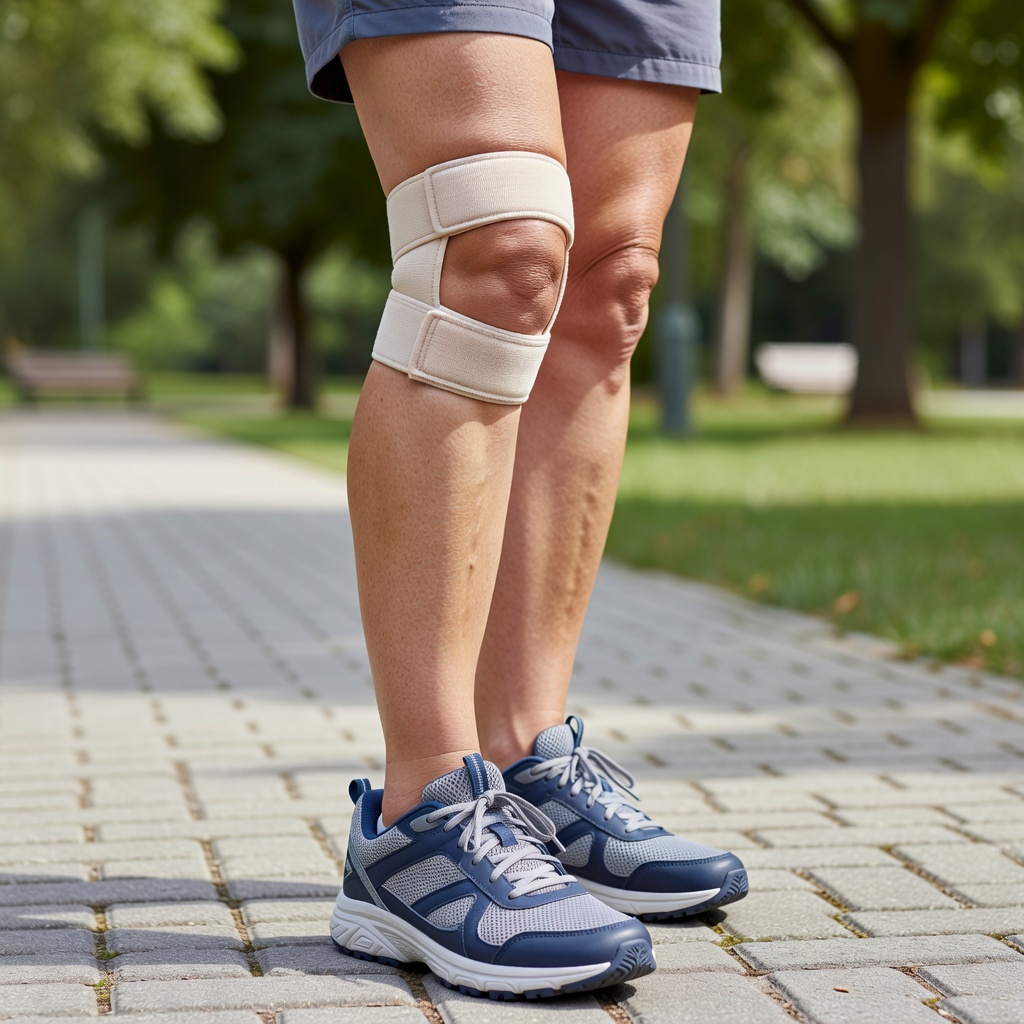
Targeted support like patella straps can help address specific areas of discomfort.
Signs You May Benefit from Knee Support
You may find joint support helpful if you notice any of the following during or after your walks:

Staying aware of how your knees feel during movement is the first step toward choosing the right support.
What to Look for in Joint Support
Compression
Look for breathable, moisture-wicking fabrics that provide even compression without cutting off circulation.
Structural Support
Decide between light compression sleeves and more structured braces with side stabilizers depending on your needs.
Comfort and Fit
Ensure the support tool stays in place during movement and doesn't pinch or bunch behind the knee.
Recommended Joint Support Tools
The following tools are selected based on features walkers commonly find helpful for comfort and stability.
Compression Knee Sleeve
Light Support
A simple, effective tool for providing warmth and gentle compression to the knee joint.
Key Features:
- Lightweight and breathable for all-day wear
- Provides warmth to the joint area
- Low profile fits easily under most trousers
- Machine washable for easy care
Why This May Help Walkers:
Best for walkers who experience mild stiffness or swelling and want a simple tool to improve comfort during daily walks.
Patella Support Strap
Targeted Support
Designed to apply focused pressure to the patellar tendon just below the kneecap.
Key Features:
- Applies focused pressure to the patellar tendon
- Helps guide the kneecap during movement
- Highly adjustable for a custom fit
- Extremely low profile and non-restrictive
Why This May Help Walkers:
Ideal for walkers who experience discomfort specifically around or just below the kneecap area.
Adjustable Knee Brace
Stability Support
Provides a higher level of structural support for the entire knee joint area.
Key Features:
- Side stabilizers for added lateral support
- Open-patella design reduces pressure on the kneecap
- Wraparound design for easy application
- Adjustable tension for different activity levels
Why This May Help Walkers:
Best for walkers who need extra stability or who are returning to walking after a period of reduced activity.
Hip Support Tools
While knee supports are common, hip support can also be beneficial for walkers. Compression shorts or specialized hip braces can help provide stability to the pelvic area and reduce strain on the hip joints. If you notice hip discomfort that changes your walking gait, these tools may help maintain a more natural stride.
When to Replace Your Support Gear
Like walking shoes, support tools eventually lose their effectiveness. Look for these signs that it's time for a replacement:
Choosing Based on Walking Pattern
Your unique walking pattern influences which support tool will be most effective. A person who rolls their feet inward may benefit from a different level of support than someone with a more neutral gait.
We recommend combining support tools with appropriate footwear for the best results in comfort and stability.
Which Walkers Benefit Most From These Tools
These tools are commonly used by:
- Walkers experiencing knee or hip discomfort during walks
- Walkers on longer routes or with hills and stairs
- Walkers returning to activity after a period of reduced movement
Not sure which of the 4 walking patterns fits you?
Related Guides
Understand Your Walking Pattern
Joint discomfort is often related to how your weight is distributed during each step. Find out which of the 4 walking patterns fits you.
Find Your Walking Pattern