
Choosing a mobility scooter can feel overwhelming. There are dozens of brands, different wheel configurations, travel models and full-size models, and terminology that feels foreign. It's easy to end up on a review site scrolling through specs that don't actually tell you how the scooter will fit into YOUR day.
But here is the better way to approach this decision: start with your life, not the scooter. The right scooter is the one that fits where you go, how you move, and what matters most to you — not the one with the longest spec sheet.
This guide walks you through the real questions that determine which scooter is right for you. No jargon. No sales pitch. Just honest, practical help from someone who understands that this decision is about staying active, independent, and out in the world on your own terms.
Are You Ready for a Mobility Scooter?
This is probably the most important question — and the one most review sites skip entirely. Many people considering a scooter wrestle with feelings they don't always say out loud: Am I giving up? Is this too soon? Will I become dependent? If I get a scooter, will I stop walking altogether?
These worries are completely normal. And here is what almost everyone discovers after they start using one: a scooter doesn't replace your walking — it extends your world. You can still walk when you want to. The scooter is there for when you want to go farther, stay out longer, or simply not worry about whether your legs will hold up.
A mobility scooter isn't a sign of decline. It's a tool for protecting your independence. Think of it the same way you'd think of a car: you don't feel guilty for driving to the grocery store instead of walking. A scooter is transportation that keeps you in the places and activities you love.
Would an Electric Tricycle Be a Better Fit?
Many people researching mobility scooters are actually choosing between three options: continuing to walk with better support, an electric tricycle, or a mobility scooter. This is a natural comparison, especially for Limber Nation readers who want to stay active.
There is no wrong choice here — only the one that keeps you outdoors and engaged. Many people start with one and add the other later, depending on the day and the outing.
Read the Mobile Options GuideScooter might be right if:
- Walking or pedaling isn't practical for more than a few minutes
- You need full seated support
- Balance is a significant concern
- You want the simplest, most restful way to cover distance
Electric trike might be right if:
- You can still pedal comfortably
- You want some light exercise while riding
- You feel confident with handlebar steering
- You enjoy the feeling of being on a bike
Where Do You Plan to Use It?
This question matters more than almost any spec on a product page. A scooter that's perfect for a farmers market might be frustrating for travel. A travel scooter might feel too small for daily neighborhood rides.
Shopping & Errands
You need:
- Tight turning radius
- Narrow enough for store aisles
- Basket or storage for purchases
- Easy to get on and off repeatedly
Parks & Neighborhood Rides
You need:
- Comfortable seat for longer sits
- Smooth ride over sidewalks and paths
- Enough range to enjoy an afternoon out
- Stable feel at moderate speeds
Travel
You need:
- Folding or quick-disassembly design
- Light enough to lift into a car trunk
- Airline-friendly battery options
- Compact storage at home
Daily Transportation
You need:
- Larger battery for multiple stops
- Better suspension for varied terrain
- Weather protection options
- Reliable range you can count on
Can You Transport It When You Need To?
This is one of the biggest overlooked questions — and it often determines the purchase more than range or speed. Before you fall in love with a full-size scooter, ask yourself: How will I get it to the places I want to go?
Transport Checklist:
- Will it fit in my vehicle?
- How much does the heaviest piece weigh?
- Can I lift it comfortably, or will someone help me?
- Does it fold or disassemble without tools?
- Can I get it back in the car when I'm tired?
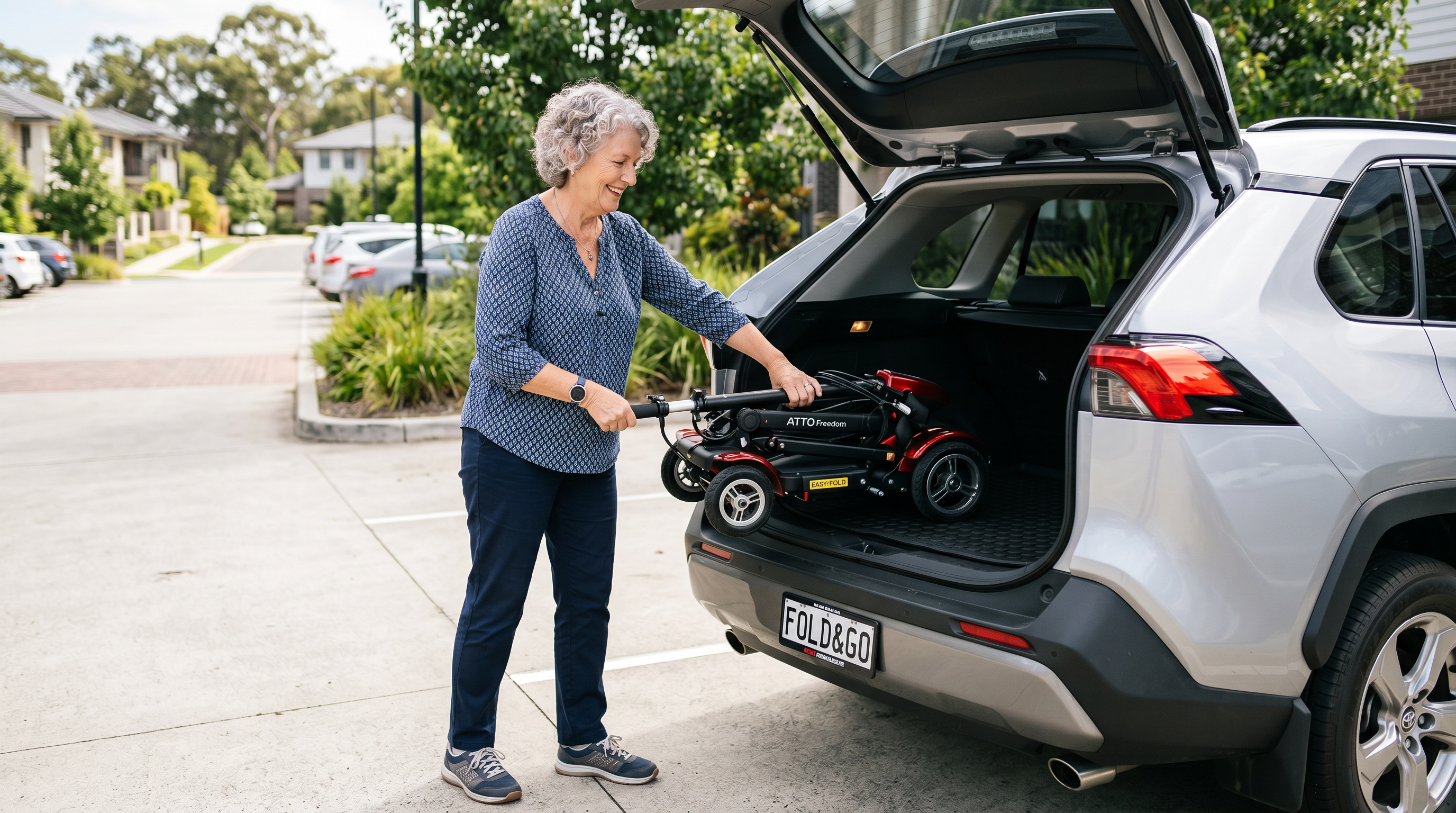
Travel and portable scooters are designed specifically for transport. They break down into lighter pieces or fold compactly. Full-size scooters offer more comfort and range but typically require a lift or ramp on your vehicle. Neither is better — but the wrong one for your transport situation will gather dust in the garage.
How Far Can You Really Travel?
Manufacturers list maximum range in miles, but real-world range is almost always shorter. Hills, weight, temperature, speed, and even tire pressure affect how far you can actually go. A scooter rated for 15 miles might get you 10 on a hilly route.
Real-World Examples:
Costco + Farmers Market
6–8 miles
Afternoon at the Zoo
5–7 miles
Full Day Out (Multi-stop)
12–15 miles
Quick Pharmacy Errand
3–5 miles
The safest rule: buy about 30% more range than you think you'll need. Running out of battery two blocks from home is not how you want to learn this lesson.
How Comfortable Will It Be After an Hour?
Comfort isn't a luxury — it's the difference between using your scooter every day and dreading it. Pay special attention if you have knee pain, hip pain, or back pain.
Seat
Look for thick padding, adjustable height, and swivel capability. A rotating seat makes getting on and off dramatically easier.
Suspension
Full suspension absorbs bumps and cracks. If you have back pain, this is worth prioritizing over speed or range.
Armrests
Adjustable width and height reduce shoulder strain. Flip-up armrests make transfers much simpler.
Leg Room
Ensure you can stretch your legs without hitting the tiller. Cramped positioning leads to stiffness.
How Stable Does It Feel?
Many buyers worry about falling or tipping. Stability comes down to wheel configuration and design.
3-Wheel Scooters
Tighter turning radius — great indoors. More leg room. Slightly less stable on uneven ground. Best for smooth surfaces and shopping.
4-Wheel Scooters
More stable on uneven terrain, slopes, and gravel. Wider footprint. Best for outdoor use, parks, and extra peace of mind.
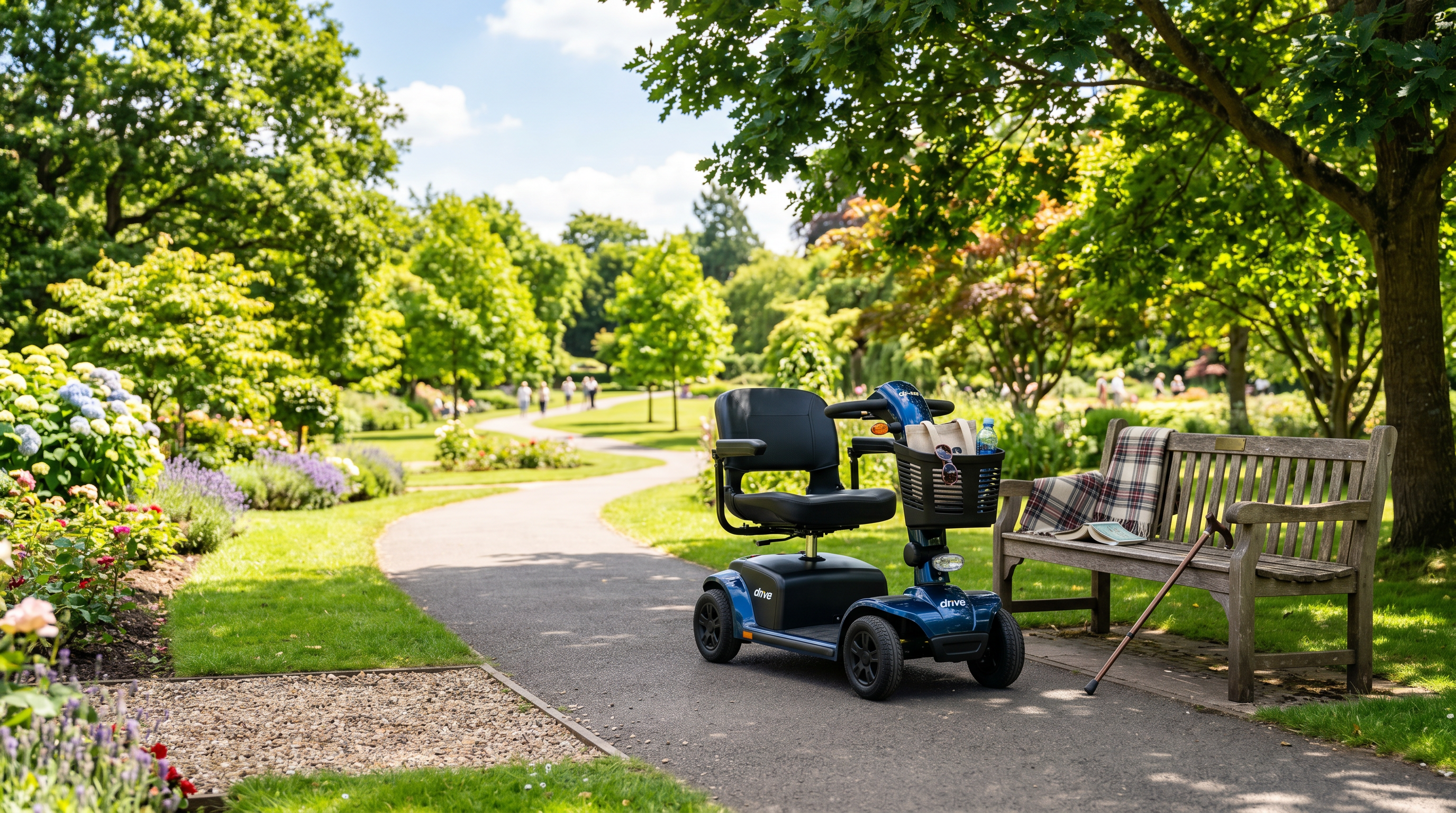
Also consider tire type. Pneumatic (air-filled) tires absorb bumps better. Solid tires never go flat but transmit more vibration. For rough sidewalks or gravel paths, pneumatic tires with good tread make a big difference.
How Easy Is It to Get On and Off?
This matters more than most people realize — especially if you have knee stiffness, reduced flexibility, or balance concerns. A scooter you struggle to mount will sit unused no matter how good the specs are.
- Swivel seat that rotates toward you
- Flip-up armrests
- Low step-through height
- Adjustable tiller that moves out
- Stable platform for your feet
If possible, try getting on and off a similar model before buying. What looks easy in a video can feel very different in real life, especially on a day when your knees are already stiff.
What Will Friends and Family Think?
Most review sites ignore this question entirely. But it's one of the most common worries people share in private: Will I look old? Will people judge me? Will I feel embarrassed?
First, know that these feelings are completely normal. We live in a culture that ties independence tightly to physical ability. Choosing a mobility tool can feel like announcing something about yourself that you're not ready to say.
But here is what tends to happen in real life: friends and family are usually supportive — often more supportive than you expect. Many will say they've been wondering how to suggest it themselves. And once you're out at the farmers market, the park, or a family gathering, people aren't looking at your scooter — they're looking at YOU, engaged and present in a way you might not have been when you were worried about walking.
The people who love you want you there. They don't care how you arrived. And after a few outings, most people discover the scooter fades into the background — it becomes like a pair of glasses: a tool that helps you engage, not something that defines you.
How Much Maintenance Is Required?
Mobility scooters don't need much — but knowing what to expect prevents surprises.
Battery
Charge after each use. Store away from freezing temps. Most last 2–3 years.
Tires
Check air pressure monthly for pneumatic; solid tires need zero maintenance.
General
Keep it clean and dry. Avoid deep puddles. Annual shop check-ups are recommended.
Warranty
Look for 1 year on parts, 3–5 on frame. Buy from reputable dealers with service.
7 Questions to Ask Yourself Before Buying
Am I looking for exercise or transportation?
A trike keeps you moving; a scooter gives you full support.
How often will I transport it in a vehicle?
Weekly? Get a portable model. Rarely? Full-size comfort wins.
Where will I use it most?
Indoor/shopping → 3-wheel. Outdoor/parks → 4-wheel with suspension.
How far do I usually go in a typical outing?
Map your real routes, not your aspirational ones.
Can I comfortably get on and off without help?
Test this. It matters more than top speed.
What activities do I want to keep doing?
The scooter is the tool — the activity is the goal.
Am I ready to make this choice for ME?
The best mobility decision is the one that protects YOUR independence and joy.
Common Buying Mistakes (And How to Avoid Them)
Buying Too Small
Many buy the smallest scooter to look 'less disabled,' only to find it uncomfortable and unstable. Buy for function first.
Forgetting Transport
If a full-size scooter won't fit in your car and you can't afford a lift, it becomes an expensive living room decoration.
Skipping the Test Sit
Photos don't tell you how a seat feels after 45 minutes. Always try to sit on a similar model before purchasing.
Which Scooter Fits Your Lifestyle?
The right mobility scooter isn't the one with the most features — it's the one that shows up for YOUR life. The one that gets you to the park without worrying about the distance back.
Start with your life, not the scooter. And remember: this decision is about staying active and present in the world you love.
The right scooter doesn't make you look old. It makes you look like someone who's not ready to sit on the sidelines.