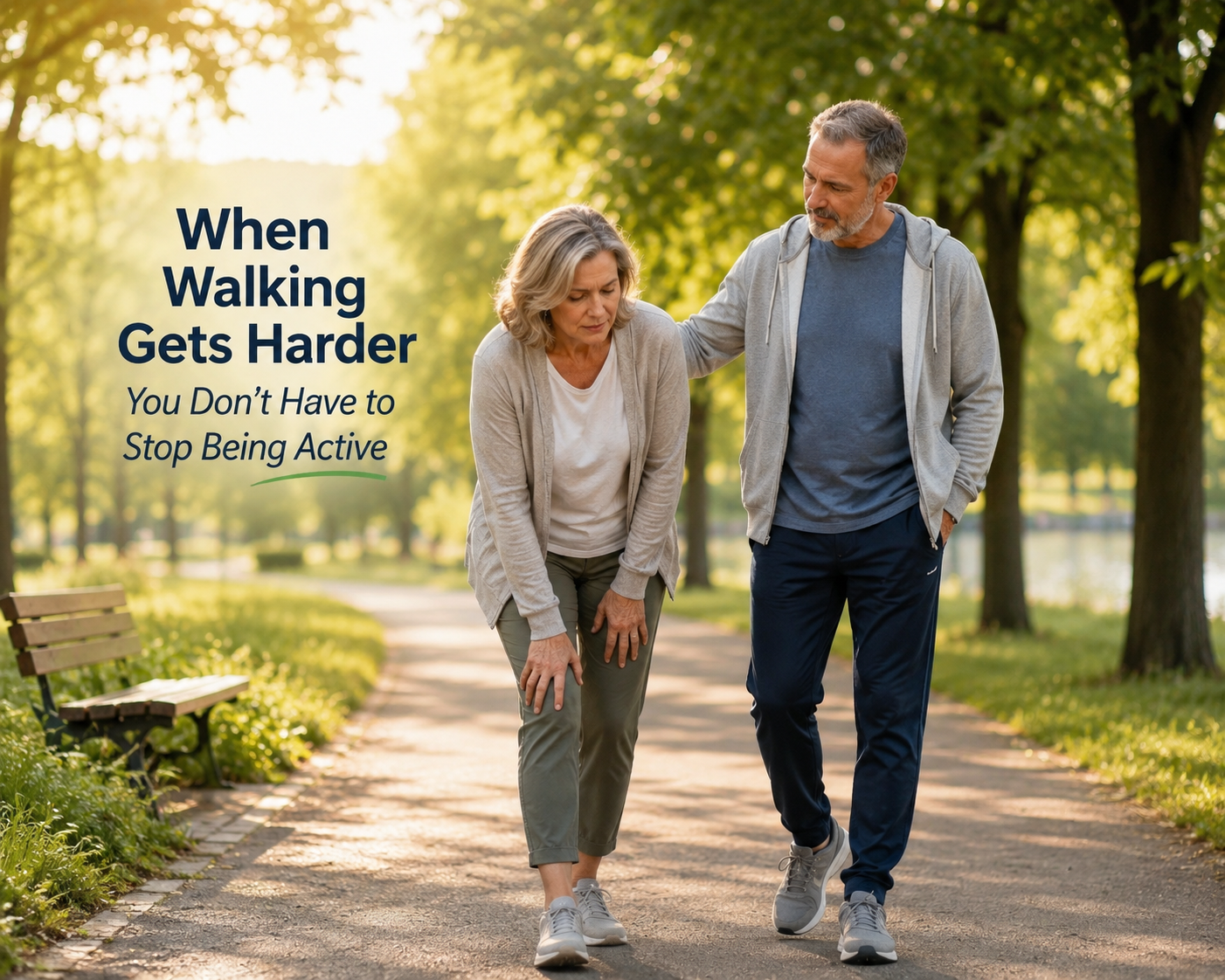
You might have noticed it recently... maybe your legs feel a little heavier than they used to, or you find yourself looking for a bench to rest on sooner than before.
These changes can be unsettling, making you feel like you're losing a bit of your "get up and go." But here is the most important thing to hear: these shifts are a common part of the journey, and they do not mean your active days are over.
The right question isn't "why is this happening to me?" — it's "what kind of support would let me keep moving the way I want to?"
What Feels Most True For You Right Now?
The right solution depends on how much walking harder is affecting your life. Explore the paths below to find the support that matches your situation.
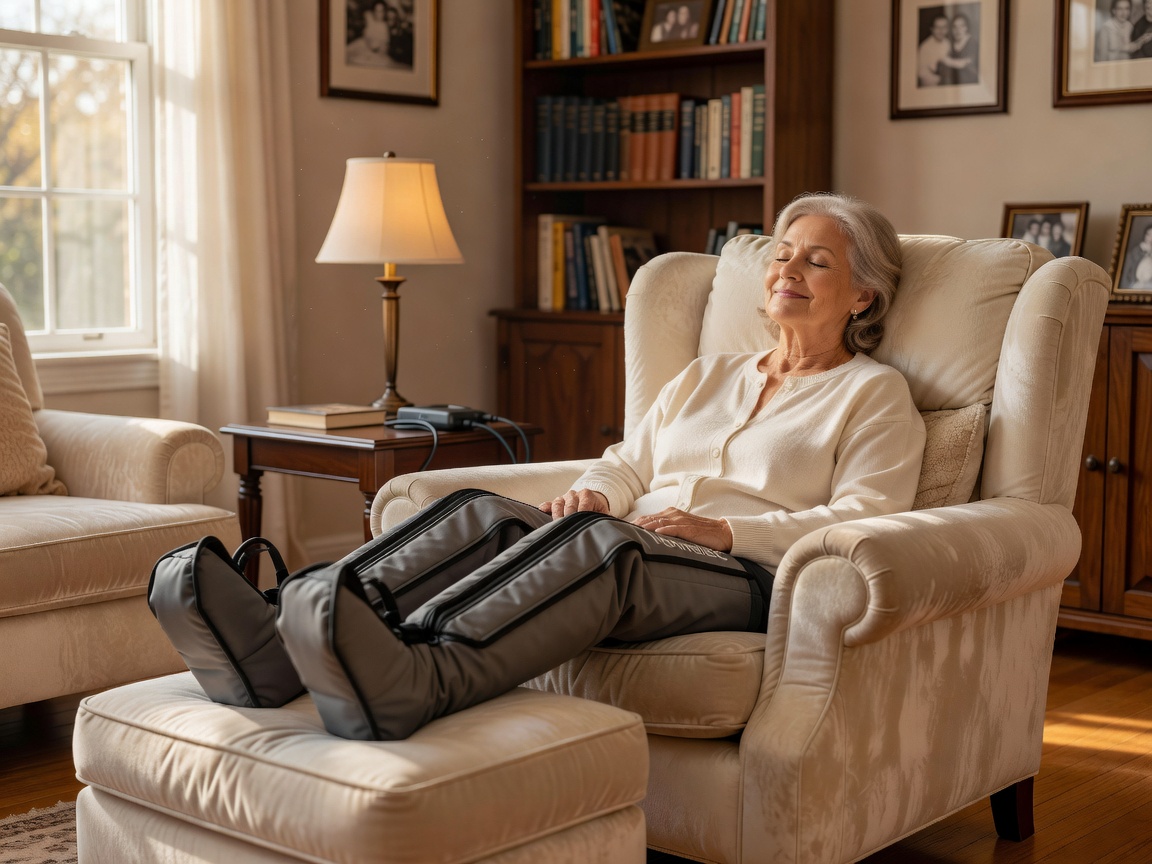
Feel Stronger After Every Walk
You can still walk, but your legs feel heavy, tired, or swollen afterward. Recovery takes longer than it used to.
What helps:
- Compression socks
- Compression boots
- Massage guns
- Recovery tools
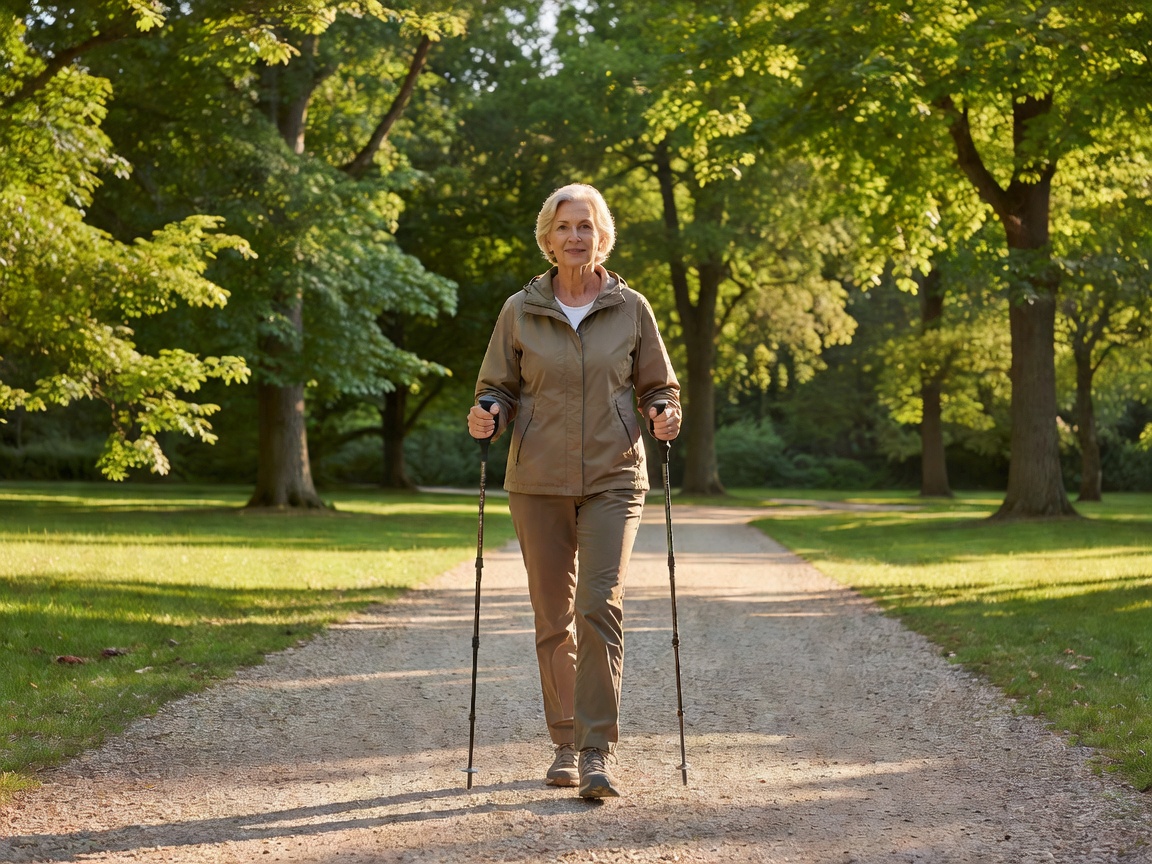
Stay Active With Better Support
You want to keep walking but need more stability and comfort. You're looking for gear that makes walking feel safer and easier.
What helps:
- Walking poles
- Supportive shoes
- Knee braces
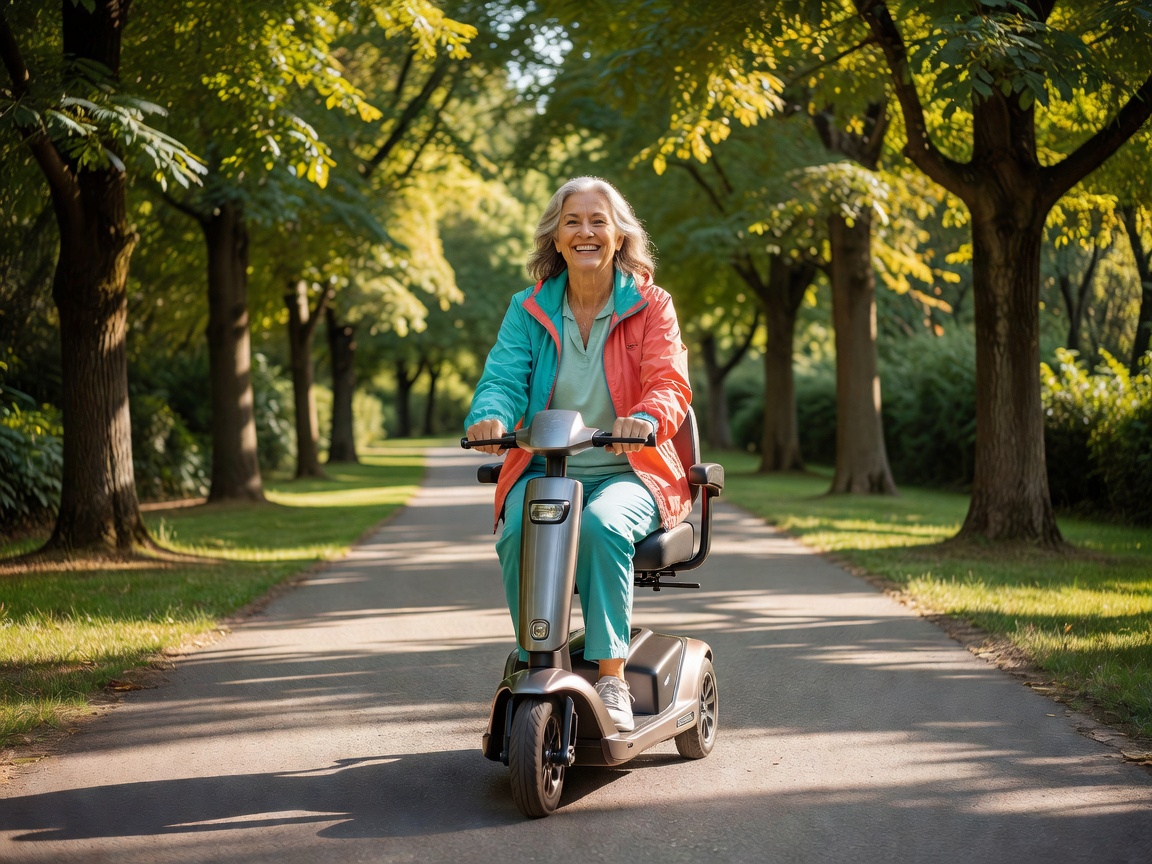
Keep Your Independence
Walking is beginning to limit where you go or how long you stay out. You want practical ways to enjoy outings without exhaustion.
What helps:
- Mobility scooters
- Electric tricycles
- Portable mobility solutions
Why Walking Starts to Feel Harder
It’s easy to feel frustrated when your body doesn’t respond with the same snap and energy it once did. Often, the reasons for these changes are very practical and have nothing to do with effort.
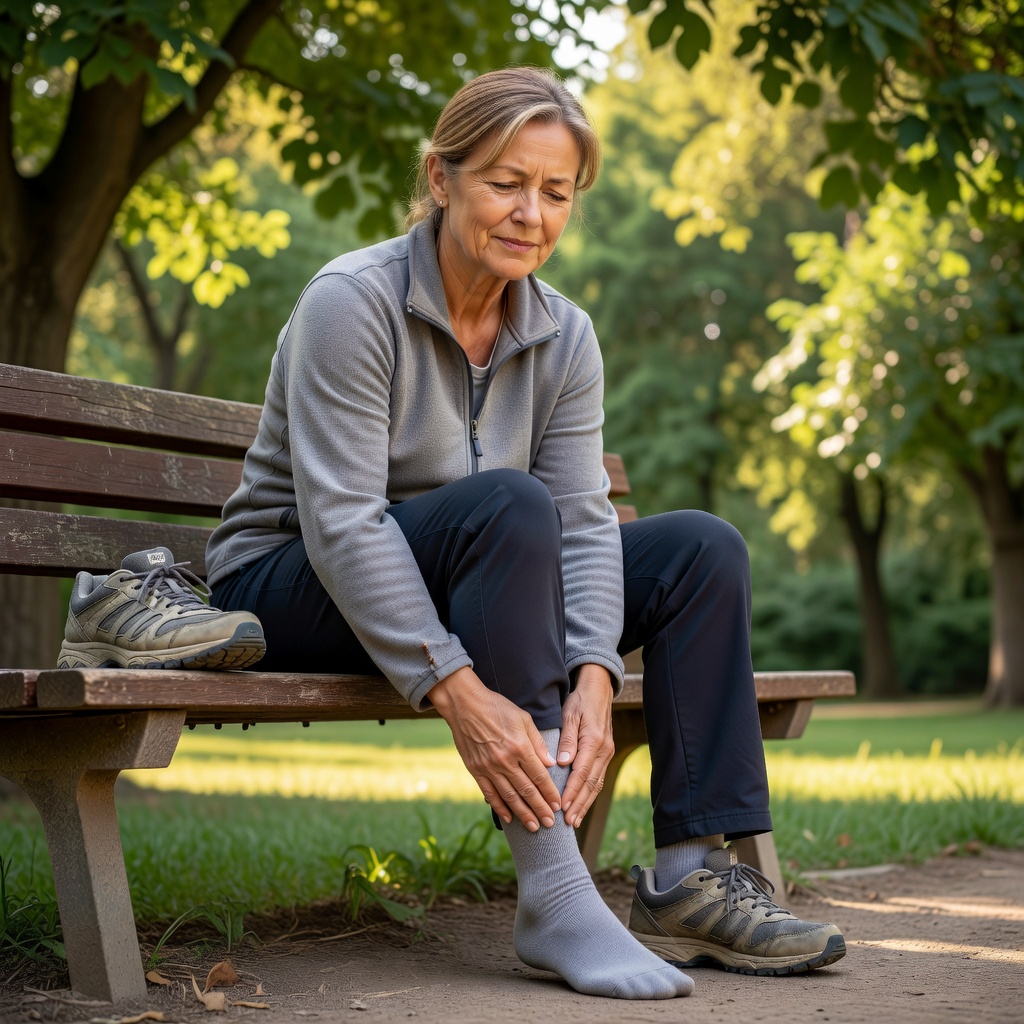
One factor is natural reduction in stamina. This shows up as tired legs when walking—a feeling where your muscles feel "full" or heavy after just a few blocks. Another factor is balance confidence. As joints and sensors become less sharp, your brain works harder to keep you steady, which is physically draining.
We also consider things like ankles swelling or joint stiffness. These small changes in mechanics can make walking longer distances getting harder than you'd expect.
Independence is About Wisdom, Not Just Effort
There is a heavy emotional weight that comes with these physical changes—the fear of "feeling old" or worrying about slowing others down. Adapting to your body's changes is not a sign of giving up; it’s a sign of wisdom.
Staying active means being smart about your energy. Instead of "pushing through the pain," you become a mobility coach for yourself, listening to your body's signals and choosing tools that keep you in the game.
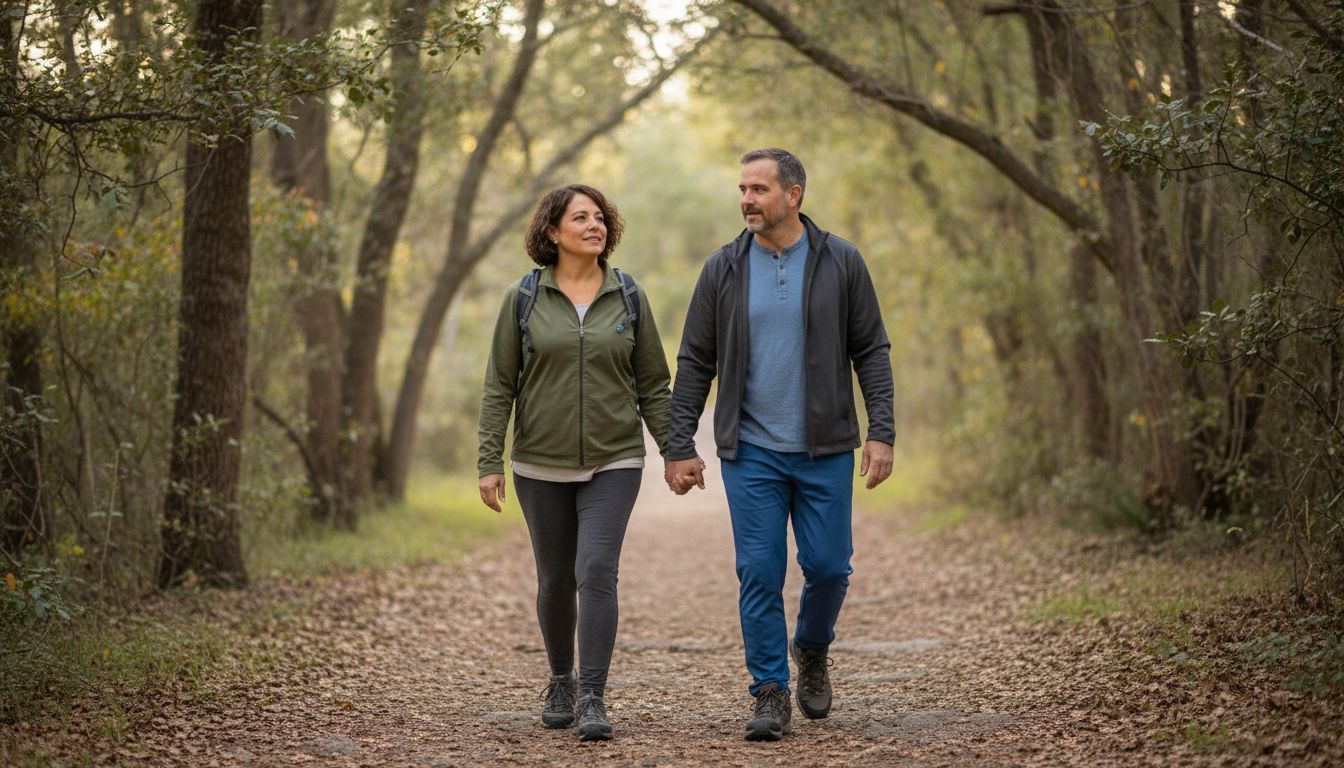
The goal is to find lower-strain ways to stay outdoors. You don't have to give up the park or the joy of a sunny afternoon just because walking longer distances is getting harder. There is a whole world of options that allow you to move and see the sights without the heavy physical toll.
Deep Dive into the Three Pathways
Each path below is a full guide — explore whichever fits your situation best. Not everyone needs the same solution; the right one depends on what's holding you back most.
Walking Feels Harder, But Recovery Can Help
Your legs feel heavy · Feet swell after walking · Recovery takes longer · You still walk regularly
Many people don't need to walk less — they need better recovery support. When your legs feel tired, heavy, or swollen after walking, the right recovery tools can help you bounce back faster and feel ready for tomorrow's walk.
Compression Socks
Reduce leg fatigue and swelling during walks. Light, portable, easy to use every day.
Compression Boots
The most effective recovery tool for heavy, tired legs. Use after walking to refresh your legs.
Recovery Devices
Massage guns and leg massagers that loosen tight muscles and restore comfortable movement.
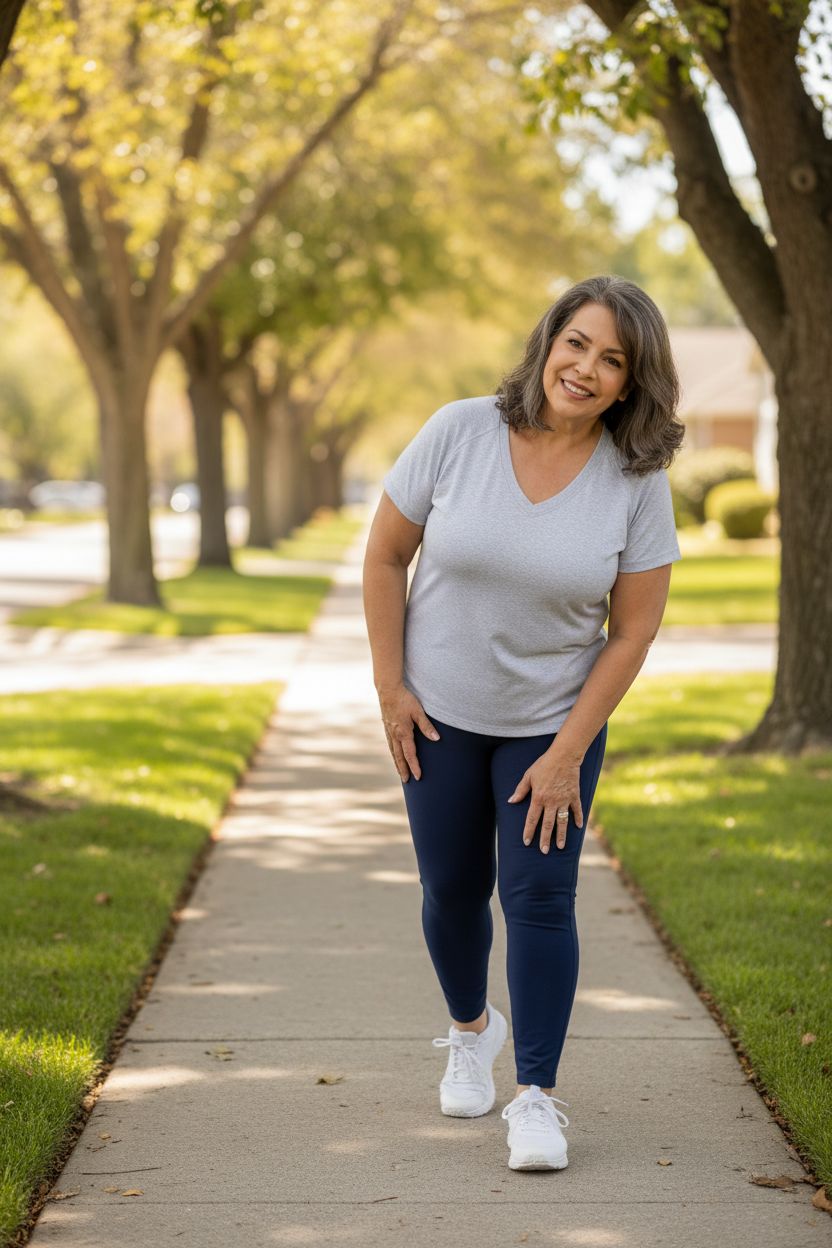
Most Popular Recovery Starting Point
If heavy, tired, or swollen legs are making walking less enjoyable, many walkers start with compression boots before considering bigger changes.
See Top Compression Recovery DevicesWalking Feels Harder, But Support Can Help
Walking distance is decreasing · Balance confidence is lower · Hills feel more challenging · You want to stay active
You don't need to overhaul your life to keep walking comfortably. Small, practical supports — like walking poles or balance strategies — can extend your walking years and help you feel steadier on your feet. These are tools that keep you in the game, not signs of decline.
Walking Poles
Add rhythm and stability to every step. Poles engage your arms, improve posture, and take pressure off your knees.
Balance Training
Simple at-home exercises that strengthen the small stabilizer muscles for more confidence outdoors.
Mobility Support Strategies
Learn when to pace yourself and which tools make the biggest difference for your walking pattern.
Start With Stability
The right walking poles can restore your confidence on uneven terrain and help you cover more ground with less fatigue.
See Walking Poles That Support Your StrideWalking Feels Harder, But Independence Is Still Possible
Avoiding longer outings · Concerned about fatigue · Worrying about falls · Looking for another way
Staying active does not always mean doing everything on foot. When walking distance, fatigue, or balance concerns are limiting where you go and what you do, there are tools designed to keep you outdoors and engaged — without the strain of walking every step.
Electric tricycles and mobility scooters have become a natural bridge for many active adults. They keep you moving and connected, providing the stability and support needed to handle longer outings without exhaustion.
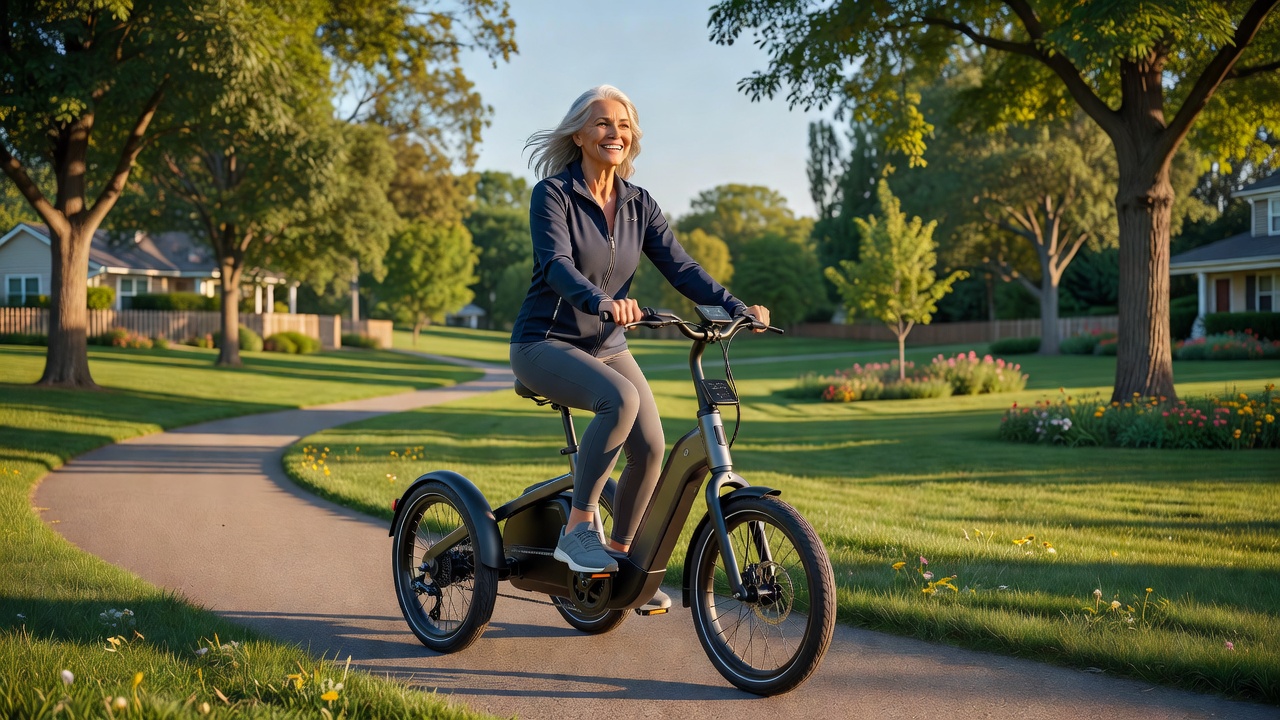
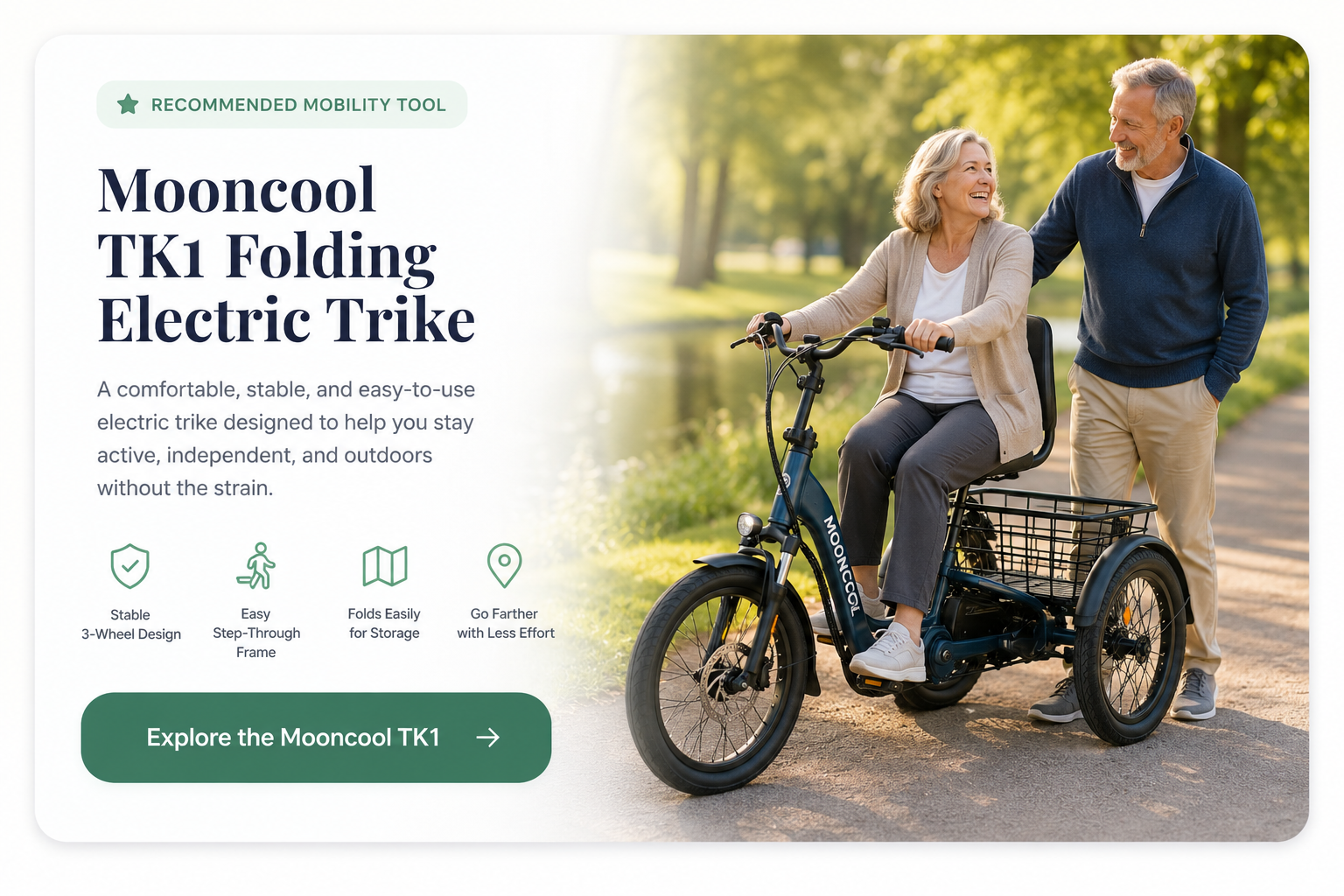
Electric Tricycle Guide
Discover how electric trikes can keep you confidently biking, exploring, and staying active outdoors, with the stability and comfort of three wheels.
How to Choose an Electric Tricycle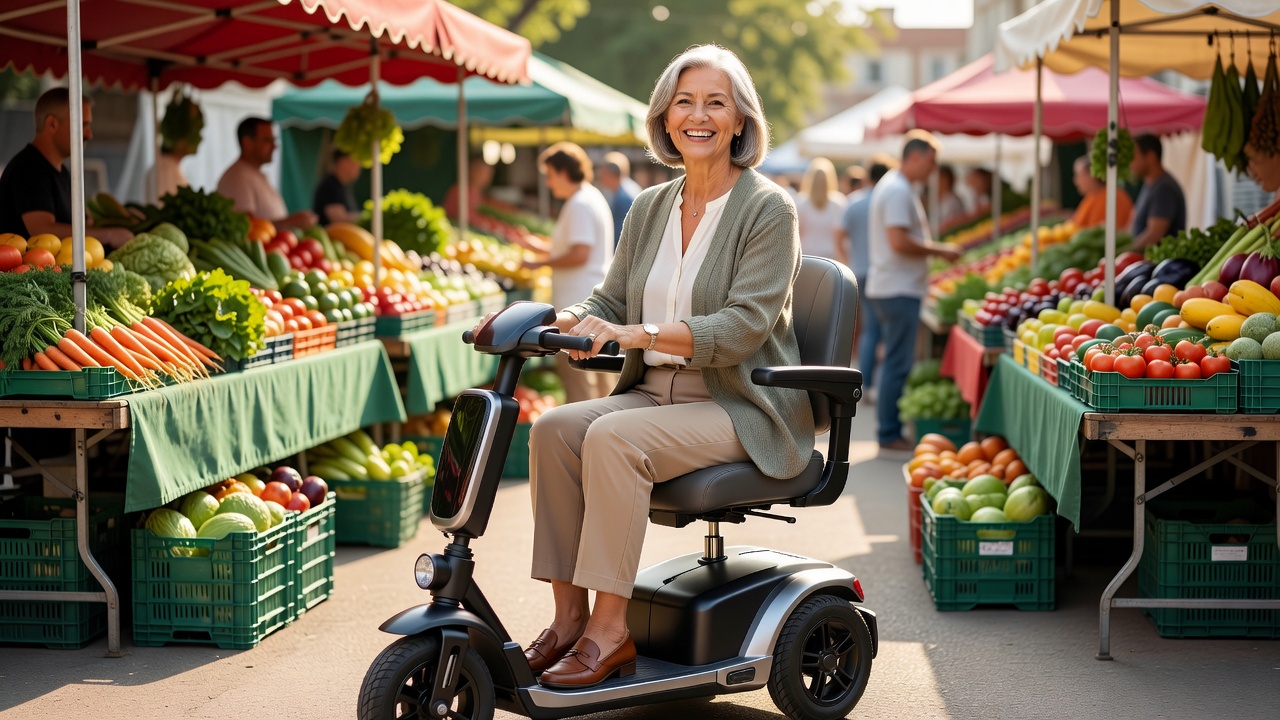
Mobility Scooters
A comfortable, seated option for longer outings when walking or pedaling isn't practical. Great for farmers markets, museums, and staying socially active.
How to Choose a ScooterSave these mobility options
We’ll email you a personal return link so you can come back whenever you're ready.
Explore Related Topics
These articles explore the walking challenges we mentioned — each with practical solutions.
Protecting Your Independence
The most important thing to remember is that staying active is a journey, not a race. Adapting to your body's changes isn't about giving up — it's about choosing the right tools to stay engaged with the world you love.
Staying active is more important than doing everything the same way you always did.