Best Mobility & Balance Aids for Walking Comfort and Stability
Walking is one of the most accessible ways to stay active, but many walkers occasionally notice moments where balance or stability feels less confident — particularly on uneven surfaces, hills, or longer walks.
Mobility and balance aids are simple tools that many walkers use to improve stability, maintain confidence, and continue enjoying regular walking routines.
In this guide, we review several types of mobility and balance aids commonly used by walkers who want additional support and stability during walks.
Transparency note: Limber Nation may receive a small commission if purchases are made through links in this guide. This does not affect our recommendations. We focus on tools walkers commonly find helpful for comfort and recovery.

Walking poles provide added stability and confidence on longer walks and varied terrain.
Quick Guide to Common Balance Support Options
Walking Poles
Provide balance and distribute walking load across the upper body.
View Current OptionsTrekking Poles
Adjustable poles designed for trails and varied surfaces.
View Current OptionsBalance Training Pads
Used during exercises that help improve stability and coordination.
View Current OptionsAt a Glance
Compare Support Types
| Aid | Best For | Stability Support |
|---|---|---|
| Walking Poles | Everyday walking stability | Moderate |
| Trekking Poles | Trail or uneven surfaces | Moderate–High |
| Balance Training Pads | Stability exercises | Training tool |
Each option provides different forms of support depending on where and how someone walks.
Why Balance Support Matters for Walkers
Walking involves constant small adjustments in posture and coordination. These adjustments help the body maintain stability during each step.
Over time, walkers may occasionally notice:
- Slight instability on uneven ground
- Reduced confidence on hills or trails
- Increased fatigue late in a walk
Mobility aids can help improve stability by providing additional points of contact with the ground or by supporting balance training exercises. Many walkers use these tools to maintain comfort and confidence while continuing their walking routines.
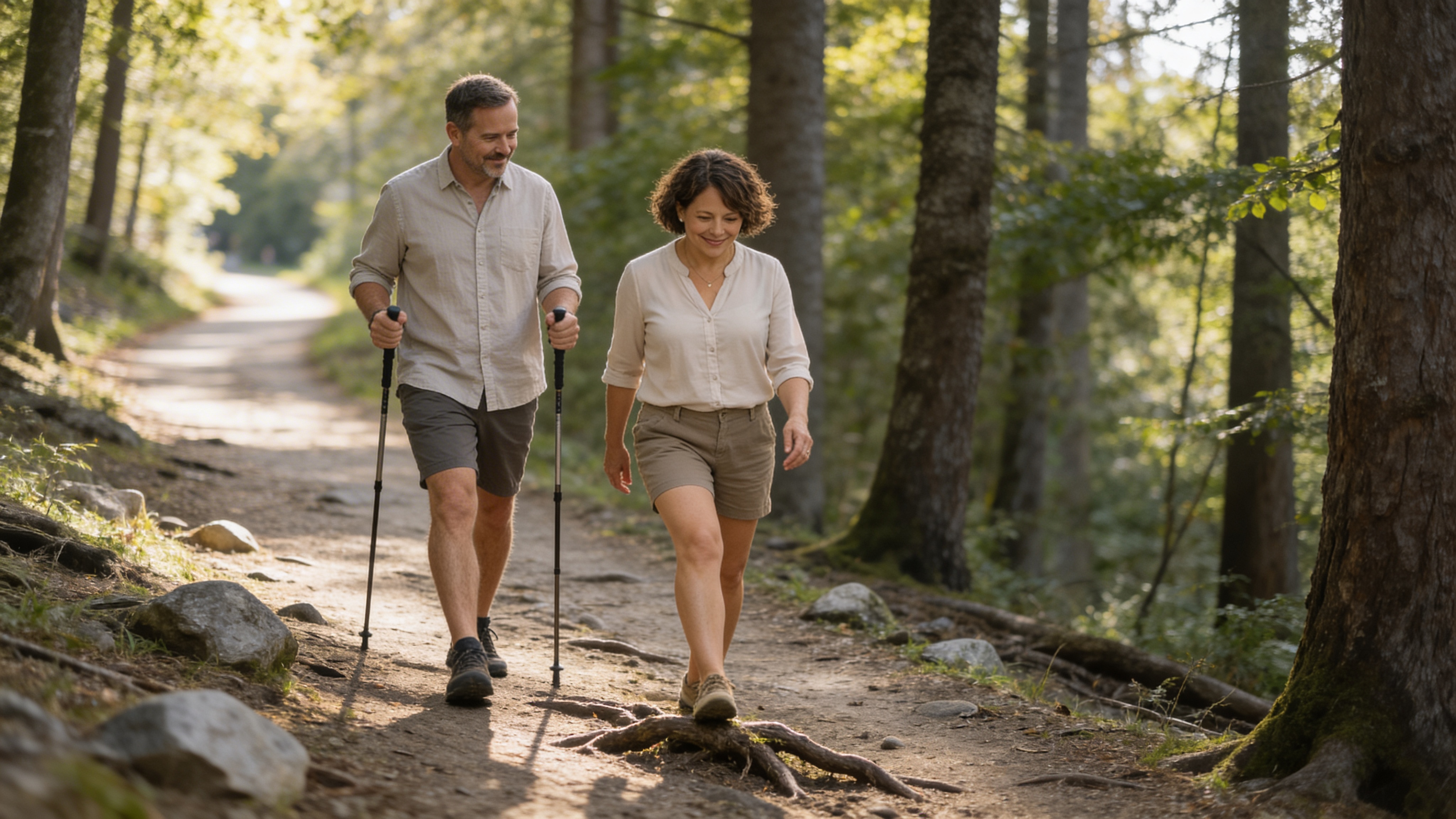
Trekking poles help walkers navigate uneven terrain and forested trails with greater confidence.
Signs You May Benefit from a Balance Aid
Some walkers explore mobility aids if they notice:
Using simple support tools can help walkers maintain confidence and comfort while staying active.
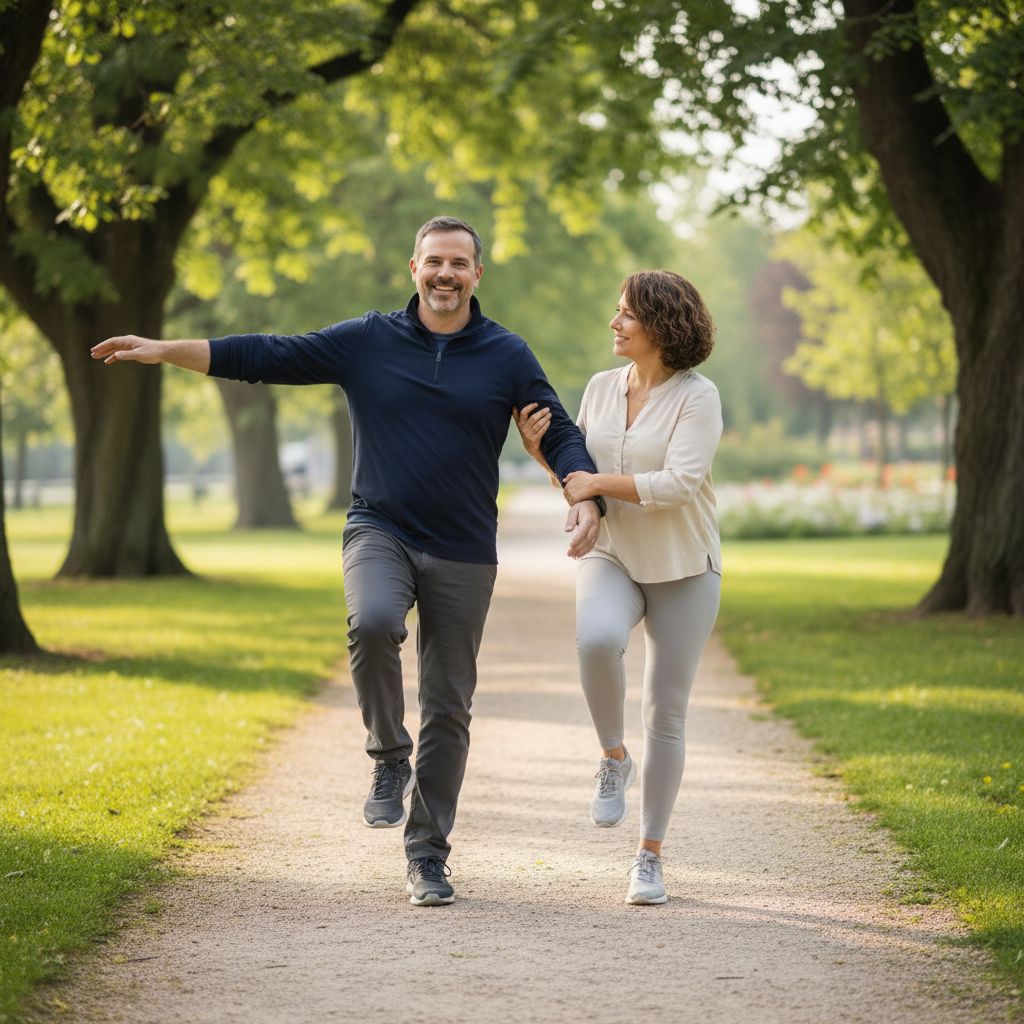
Simple balance exercises help strengthen coordination and improve stability during everyday movement.
What to Look for in a Mobility Aid
Stability
Mobility aids should provide reliable support without interfering with natural walking movement. Lightweight designs are often preferred for longer walks.
Adjustability
Adjustable poles or tools allow walkers to customize support to their height and walking style. This helps maintain comfortable posture during walking.
Comfort
Handles and grips should feel comfortable for extended use. Many walkers prefer ergonomic grips that reduce hand fatigue.
Recommended Mobility & Balance Aids
The following tools are selected based on features walkers commonly find helpful for comfort and stability.
Walking Poles
Everyday Stability
Walking poles are commonly used by walkers who want additional balance support and improved posture during walks.
Key Features:
- Improve walking stability
- Help distribute load between upper and lower body
- Provide confidence on uneven surfaces
- Lightweight designs for longer walks
Why This May Help Walkers:
Walking poles provide two additional contact points with the ground, which can help improve stability during walking. Best for walkers seeking improved balance during regular walking routines.
Trekking Poles
Trail Support
Trekking poles are similar to walking poles but often feature stronger construction and adjustable length. They are frequently used by walkers who explore trails or uneven terrain.
Key Features:
- Adjustable height for different terrains
- Durable design for regular use
- Reliable grip on varied terrain
- Shock-absorbing tips on many models
Why This May Help Walkers:
These poles can help stabilize movement when walking on slopes, trails, or uneven ground. Best for walkers who frequently walk on trails or varied surfaces.
Balance Training Pads
Stability Exercises
Balance training pads are soft foam surfaces used during exercises that improve coordination and stability.
Key Features:
- Improve balance awareness
- Strengthen stabilizing muscles
- Support mobility training routines
- Compact for home use
Why This May Help Walkers:
Practicing balance exercises on a foam pad encourages small stabilizing muscles to activate, which may improve overall balance during walking. Best for walkers interested in improving balance through simple home exercises.
When to Use Mobility Aids
Many walkers choose to use mobility aids during:
These tools can help maintain stability and confidence during walking activities.
Choosing the Right Mobility Aid for Your Walking Pattern
Different walkers benefit from different types of support.
Walkers who prefer nature trails or hills often benefit from trekking poles.
Walkers who focus on daily neighborhood walks may prefer lightweight walking poles.
Walkers interested in improving balance and coordination often add balance training exercises using foam pads.
Understanding your walking pattern can help determine which type of support tool may be helpful.
Which Walkers Benefit Most From These Tools
These tools are commonly used by:
- Walkers focusing on balance and stability on uneven terrain
- Walkers who want more confidence during outdoor walks
- Walkers building back their walking routine after a slowdown
Not sure which of the 4 walking patterns fits you?
Related Guides
Understand Your Walking Pattern
Walking comfort and stability are influenced by several factors. Find out which of the 4 walking patterns fits you and discover areas where support tools may help.
Find Your Walking PatternSome links on this page are affiliate links. Limber Nation may earn a small commission at no extra cost to you. Recommendations are based on features walkers commonly find helpful.