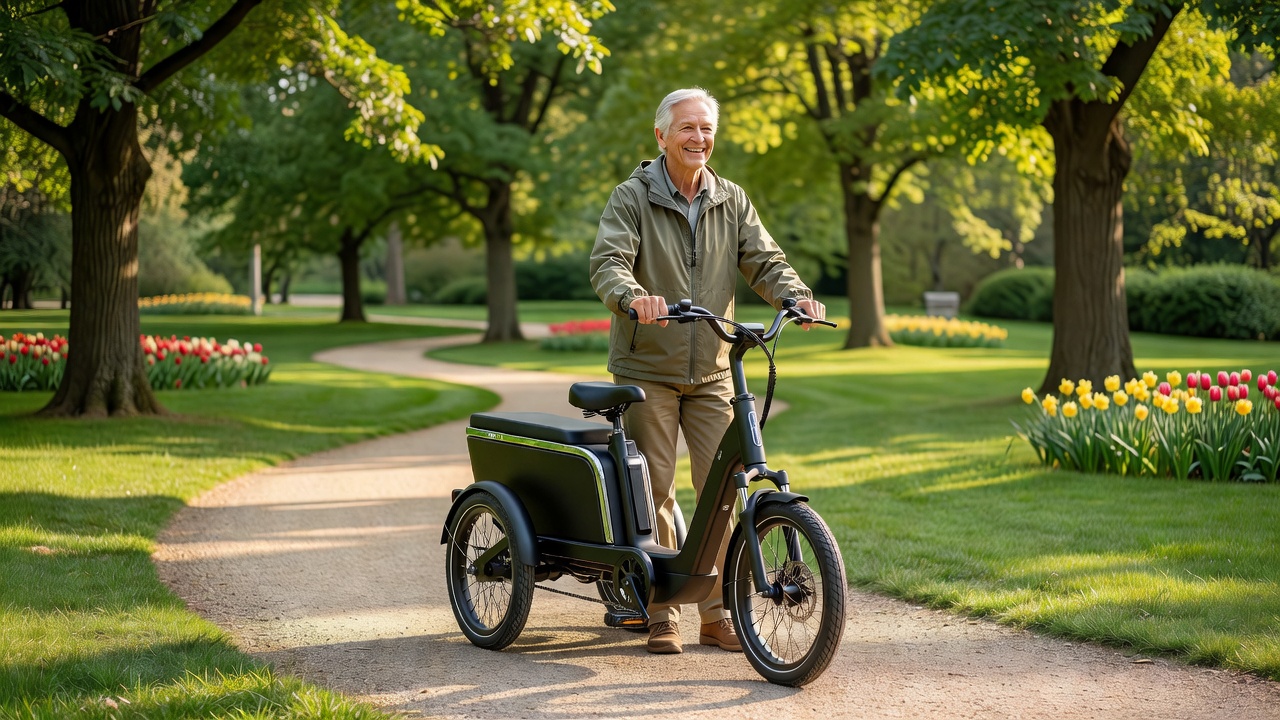
Electric tricycles sit at a special intersection — they're part bike, part mobility tool, and entirely about freedom. For people who love being outdoors but find walking long distances or balancing on two wheels harder than it used to be, a trike opens up miles of paths, parks, and neighborhoods that felt out of reach.
The key is matching the trike to YOUR kind of riding — not just buying the one with the biggest battery or most features. Some riders want gentle neighborhood cruises. Others want to run errands, carry groceries, or tackle hilly routes. The right trike is the one that disappears beneath you and just lets you ride.
This guide walks through the real decisions: how much electric help you need, what kind of riding you'll do, how to think about comfort and stability, and the emotional side of getting back on a bike after years away.
Are You Ready for an Electric Tricycle?
Many people considering a trike are returning to cycling after a long break. They wonder: Am I too old for this? Will I look silly? What if I can't keep up?
An electric trike is the most forgiving way to ride. Three wheels mean no balance worries. Electric assist means hills are optional effort. You decide how much you pedal and how much the motor helps. It's cycling without the part that got harder.
This is about staying active, not proving anything. And the people you see on bike paths? They're having too much fun to judge anyone.
What Kind of Riding Will You Do?
Neighborhood Cruises
You need:
- Comfortable upright riding position
- Moderate battery range (20-30 miles)
- Smooth, stable steering
- Easy step-through mounting
Errands & Shopping
You need:
- Rear cargo basket or rack
- Sturdy frame for carrying weight
- Good range for multi-stop trips
- Easy to park and lock up
Bike Paths & Parks
You need:
- Higher pedal-assist levels for distance
- Comfortable seat for 1-2 hour rides
- Smooth tires for paved paths
- Reliable brakes for varied terrain
Hilly Routes & Longer Rides
You need:
- Powerful motor (750W+)
- Extended battery range (40+ miles)
- Multiple gears and assist levels
- Disc brakes for downhill control
How Much Electric Help Do You Want?
Pedal-Assist (PAS)
The motor helps while you pedal. You still get exercise, but hills and distance become manageable. Feels like biking with a tailwind. Best for people who want to stay active.
Throttle
The motor propels without pedaling. Useful for starting from a stop, crossing intersections, or when you're tired. Full control over effort level. Best for people who want the option to rest.
Most trikes offer both. The best ones let you dial in exactly how much help you want across 5 levels of pedal-assist.
How Far Can You Really Go?
Real-world range depends on hills, weight, wind, and how much you use the assist. Buy 30% more range than your longest typical ride.
| Ride Type | Typical Miles |
|---|---|
| Evening neighborhood cruise | 5-8 miles |
| Farmers market + coffee run | 8-12 miles |
| Afternoon on the bike path | 15-20 miles |
| Full day exploring | 25-35 miles |
How Comfortable Is the Ride?
Step-Through Frame
A low, open frame you can walk through instead of swinging a leg over. Essential for riders with hip or knee stiffness.
Upright Riding Position
Wide handlebars, relaxed grip, back-friendly posture. Unlike a road bike's forward lean, trikes keep your spine neutral.
Cushioned Seat
Wide, cushioned saddle vs narrow bike seat. Some trikes offer suspension seatposts for extra bump absorption.
Tire Width
Wider tires (2.5-4 inches) absorb road vibration and handle gravel or grass. Narrower tires are faster on pavement but rougher on joints.
How Stable Does It Feel?
The core advantage: three wheels eliminate balance as a concern entirely. You can stop at a light without putting a foot down. You can ride as slowly as you want. You can look around without wobbling.
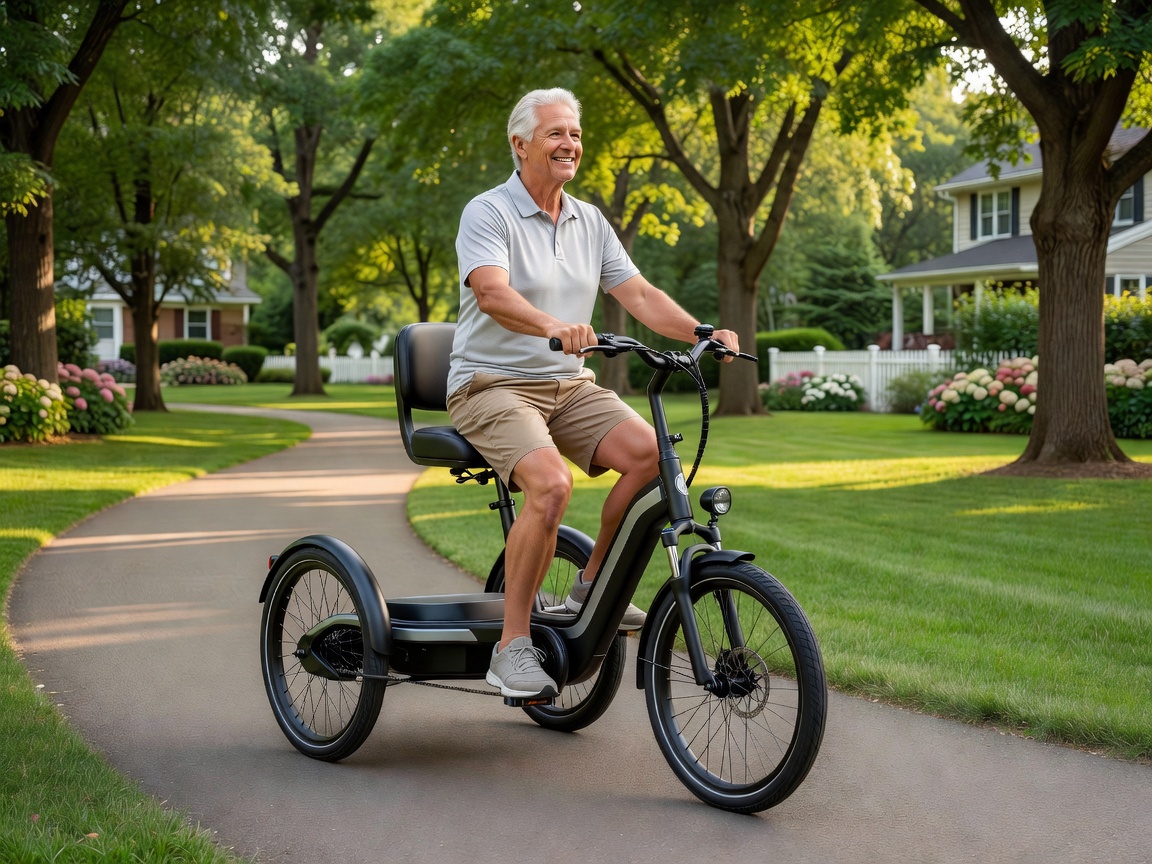
Delta (Most Common)
One front wheel, two rear. Very stable, familiar bicycle feel, and great for rear cargo options.
Tadpole (Sportier)
Two front wheels, one rear. Lower center of gravity, corners like it's on rails. More expensive and specialized.
Can You Transport It?
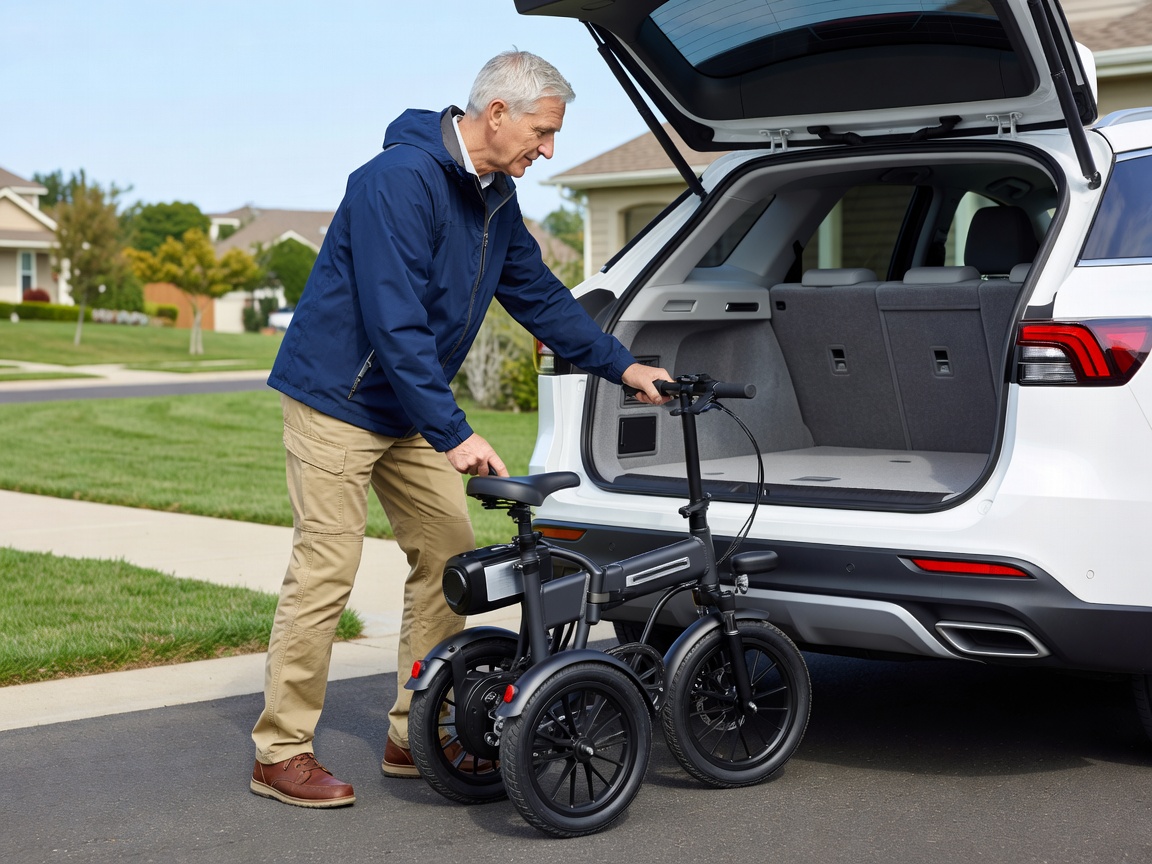
Electric trikes are larger than standard bikes, weighing 60-80 lbs. Transport requires planning but is very doable.
Transport Checklist:
- Does it fold? (Models like Mooncool TK1 fold for car transport)
- Do I have a hitch rack, truck bed, or large trunk?
- Can I lift 60-80 lbs or do I need a ramp?
- Will it fit in my storage space at home?
What Will Friends and Family Think?
Many people worry they'll look silly on a trike or that it signals they're "old." In reality, electric trikes are having a moment — more people of all ages are discovering them as a joyful way to ride without the downsides.
Friends and family are usually curious, not judgmental. The most common reaction: "That looks fun — where can I get one?"
Being out on a trike in the sunshine, moving freely, is a statement of independence — not surrender.
How Much Maintenance?
Battery
Charge after rides. Store indoors during freezing weather. Most last 3-5 years.
Tires
Check pressure monthly. Replace every 1,000-2,000 miles.
Drivetrain
Chains need occasional cleaning and oil. Belt drives need zero lubrication.
Brakes
Check pad wear every 6 months. Hydraulic discs need less adjustment.
7 Questions to Ask Yourself Before Buying
Use these to narrow your search and make a confident choice.
Where will I ride most often? (Flat neighborhood? Hilly routes? Paved paths?)
Do I want exercise, transportation, or both?
How important is transporting it? (Will you need to drive somewhere to ride?)
Can I get on and off comfortably? (Look for the lowest step-through heights)
How much cargo capacity do I need? (Groceries, gear, or even a small pet?)
Do I have a safe place to store and charge it?
Am I ready to feel the wind in my face again?
Common Buying Mistakes
Buying Too Little Motor
A 250W motor struggles on hills. For varied terrain, 500W minimum — 750W if you have steep hills.
Ignoring Step-Through Height
Some trike frames sit higher than expected. If mounting feels like a chore, it's the wrong model.
Forgetting Storage Dimensions
Measure where the trike will live. A 6-foot trike that doesn't fit through your shed door is a problem.
Find the Trike That Keeps You Riding
The best electric tricycle isn't the most powerful one. It's the one you'll actually ride — the one that makes you smile every time you swing a leg over and head out.