Walking Getting Harder? Mobile Options That Help You Stay Active and Independent
You used to walk the farmers market without thinking twice. Now you find yourself scanning for benches, or quietly deciding to skip the outing altogether.
When walking starts limiting where you go, it's not a character flaw — it's a signal that your body could use a different kind of support to keep you moving.
The right question isn't "should I get a mobility aid?" — it's "which one fits how I actually want to live?"
Three Ways to Stay Moving — Which One Fits You?
The right option depends on where you go, how far you travel, and what matters most to you day to day.
Mobility Scooters
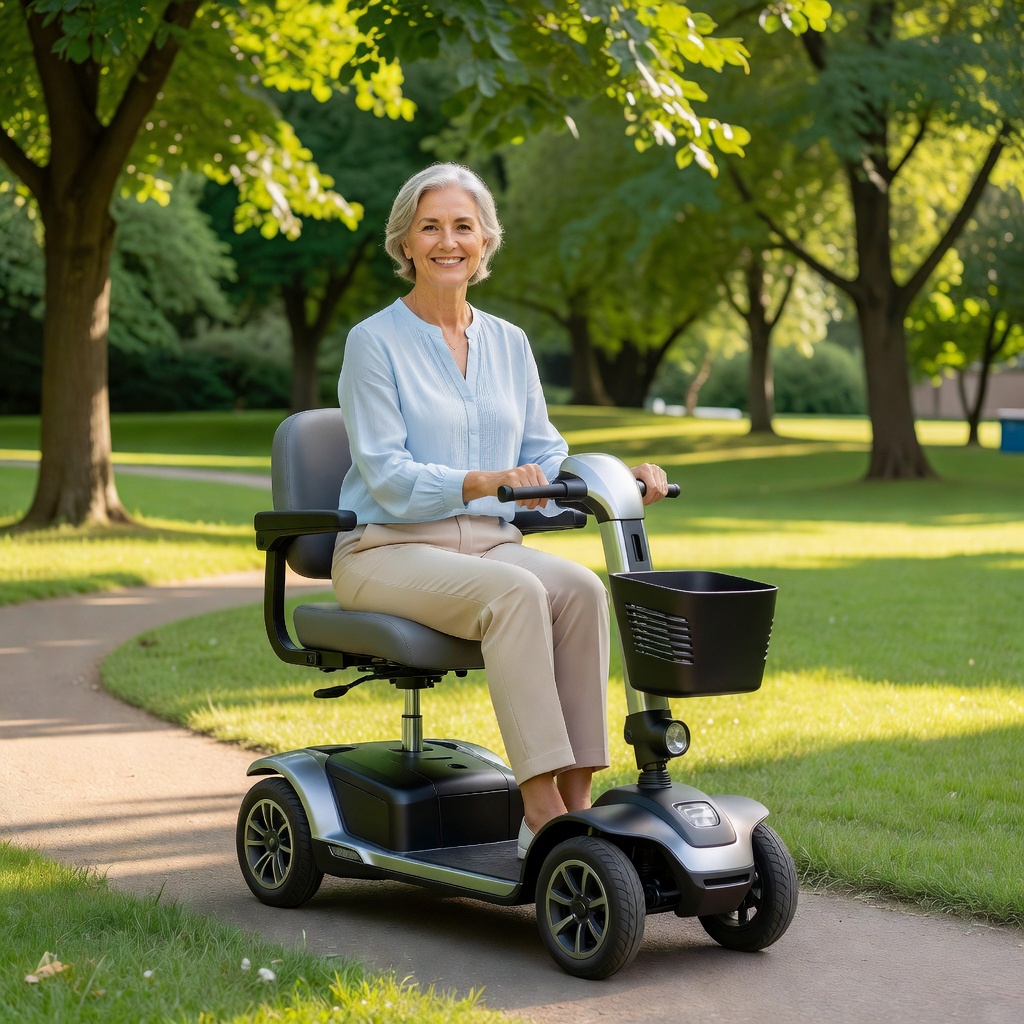
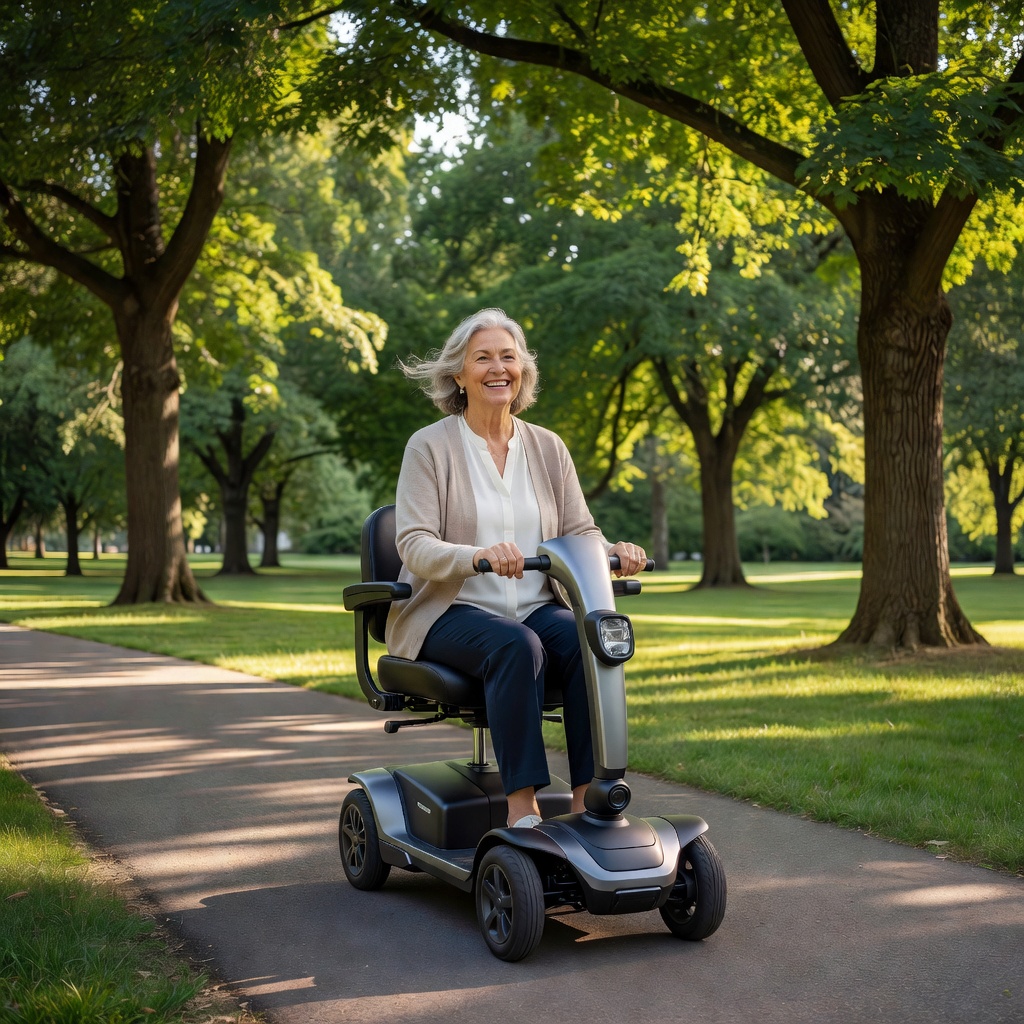
Best for longer outings, errands, and covering real distance comfortably. A seated, handlebar-steered vehicle that handles sidewalks, parks, and shopping trips with ease.
What helps:
- Comfortable seat for long rides
- Covers miles without fatigue
- Baskets for shopping and errands
- Travel models fold for car trunks
Power Chairs
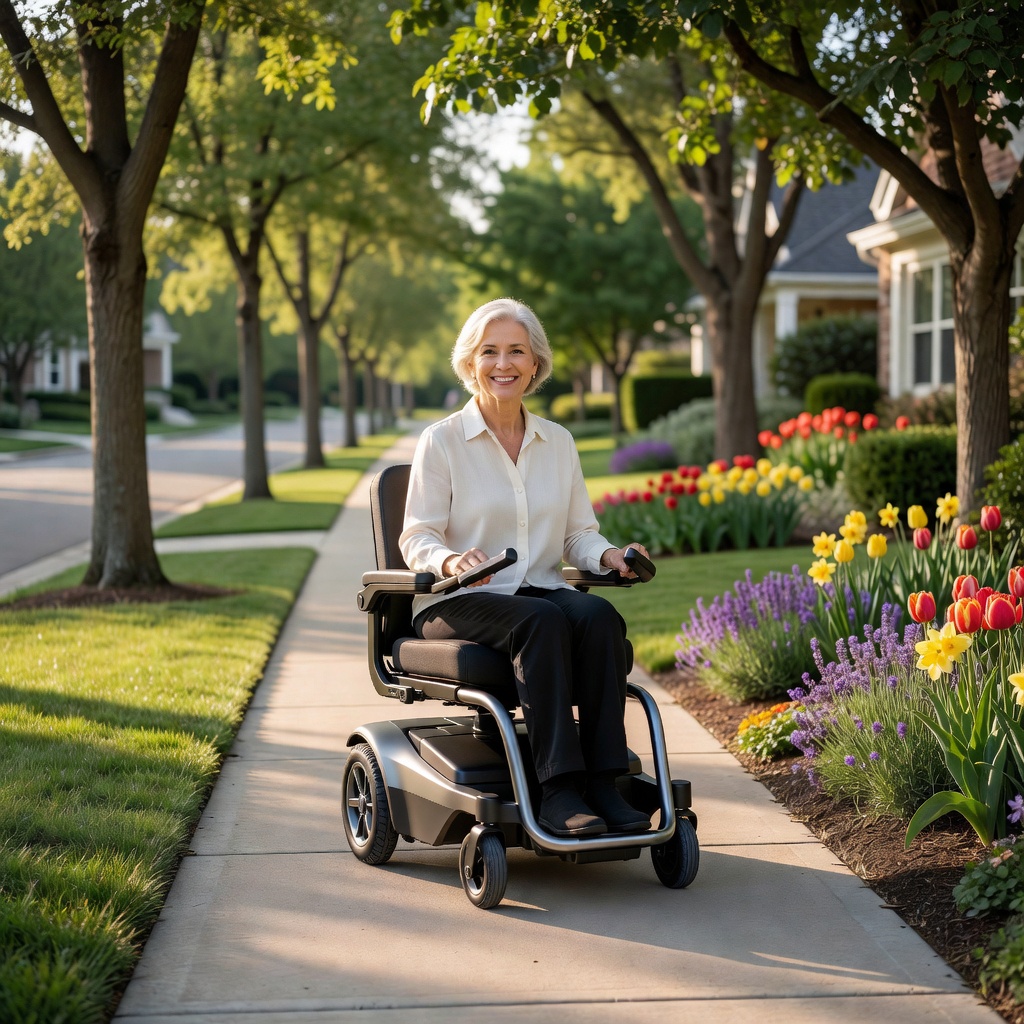
Best for indoor-outdoor use and tighter spaces. A joystick-controlled chair with a tight turning radius, designed for both home navigation and neighborhood outings.
What helps:
- Tight turning for indoors
- Joystick control needs minimal hand strength
- All-day seating support
- Often covered by Medicare
Electric Tricycles
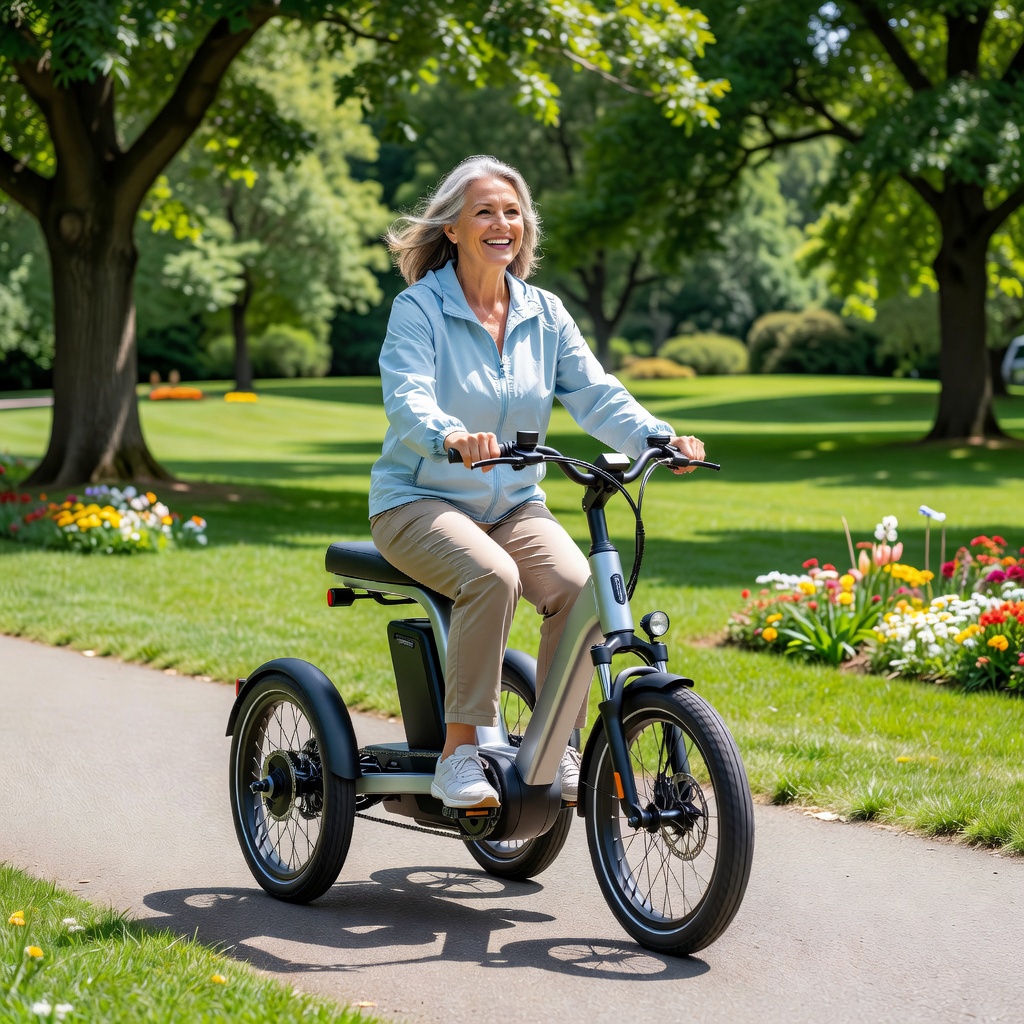
Best for staying active while getting support. A stable three-wheeled bike with electric assist — you pedal when you want to and let the motor help on hills or when fatigue sets in.
What helps:
- Pedal-assist keeps you active
- Three wheels = no balance worries
- Covers long distances outdoors
- Feels like biking, not a 'mobility device'
Comparing Your Options: Scooters vs Power Chairs vs Electric Tricycles
Choosing between these options isn't just about features — it's about matching the device to where you spend your time and how much physical effort you want to put in.
| Factor | Mobility Scooter | Power Chair | Electric Tricycle |
|---|---|---|---|
| Best for | Longer outdoor trips, errands | Indoor + outdoor, tight spaces | Staying active outdoors, longer rides |
| Distance range | 10-25 miles | 8-15 miles | 20-40+ miles (with assist) |
| Indoor use | Limited (wider turning) | Excellent (tight turning) | Not suitable |
| Terrain | Paved paths, sidewalks | Smooth surfaces, some outdoor | Paved paths, bike trails, gentle hills |
| Physical effort | None | None (joystick only) | Light to moderate (pedaling) |
| Portability | Travel models fold/disassemble | Heavy, need van or lift | Rides in truck bed or bike rack |
| Seating comfort | Good, swivel seats available | Excellent, all-day support | Bike seat, shorter ride comfort |
| Cost range | $700 - $3,000 | $1,500 - $6,000+ | $1,200 - $3,500 |
| Medicare coverage | Often covered | Often covered | Rarely covered |
Where will you use it most?
If your main goal is staying active outdoors, a scooter or tricycle is likely your best bet. If you need something that works both inside your home and for neighborhood outings, a power chair’s tight turning radius is essential.
Do you want to stay active while riding?
Electric tricycles are the only option here that requires (and encourages) physical activity. If you want to keep pedaling but need a safety net for hills or fatigue, choose a trike. If you want zero physical effort, go with a scooter or chair.
How important is portability?
If you need to load your mobility aid into a standard car trunk, a travel scooter is the easiest choice. Power chairs and full-size tricycles are heavy and typically require a truck bed, a bike rack, or a vehicle with a lift.
What About Cost and Coverage?
Mobility scooters and power chairs are often considered "Durable Medical Equipment" (DME) and may be covered by Medicare or private insurance if a doctor prescribes them for use inside your home.
Electric tricycles, however, are usually viewed as recreational vehicles or fitness equipment. This means they are almost always an out-of-pocket expense, though they often cost less than a high-end power chair.
Quick Coverage Tip
Always talk to your doctor first if you're seeking insurance coverage. They must document that you have a medical need for the device specifically for daily living activities within your residence.
One More Thing: Try Before You Commit
Photos and specs are helpful, but nothing replaces the feeling of actually sitting in a seat or gripping the handlebars. Most mobility stores and local bike shops are happy to let you test a few models.
Pay attention to how easy it is to get on and off, how intuitive the controls feel, and if the seat stays comfortable after ten minutes. Your body will tell you which one is the right fit.
Still Not Sure Which Option Fits You Best?
The right choice depends on your daily routine, your home layout, and what matters most to you. Let's figure it out together.

No login required · Free · About 2 minutes