Best Foot Recovery & Alignment Tools for Walkers
Walking places repeated load on the feet, which support the body through thousands of steps during a typical walk. Over time, this repeated motion can sometimes lead to foot fatigue, stiffness, or reduced comfort near the end of a walk.
Foot recovery and alignment tools are commonly used by walkers who want to support recovery after walking and maintain comfortable foot mechanics.
In this guide, we review several types of tools that walkers often use to help relax the feet, improve alignment, and support recovery after walking.
Heads up:
Some links on this page are affiliate links. If you click through and make a purchase, we may earn a small commission — at no extra cost to you. This helps us keep our guides free. We only recommend tools we believe are genuinely helpful for walkers. Read our full Affiliate Disclosure
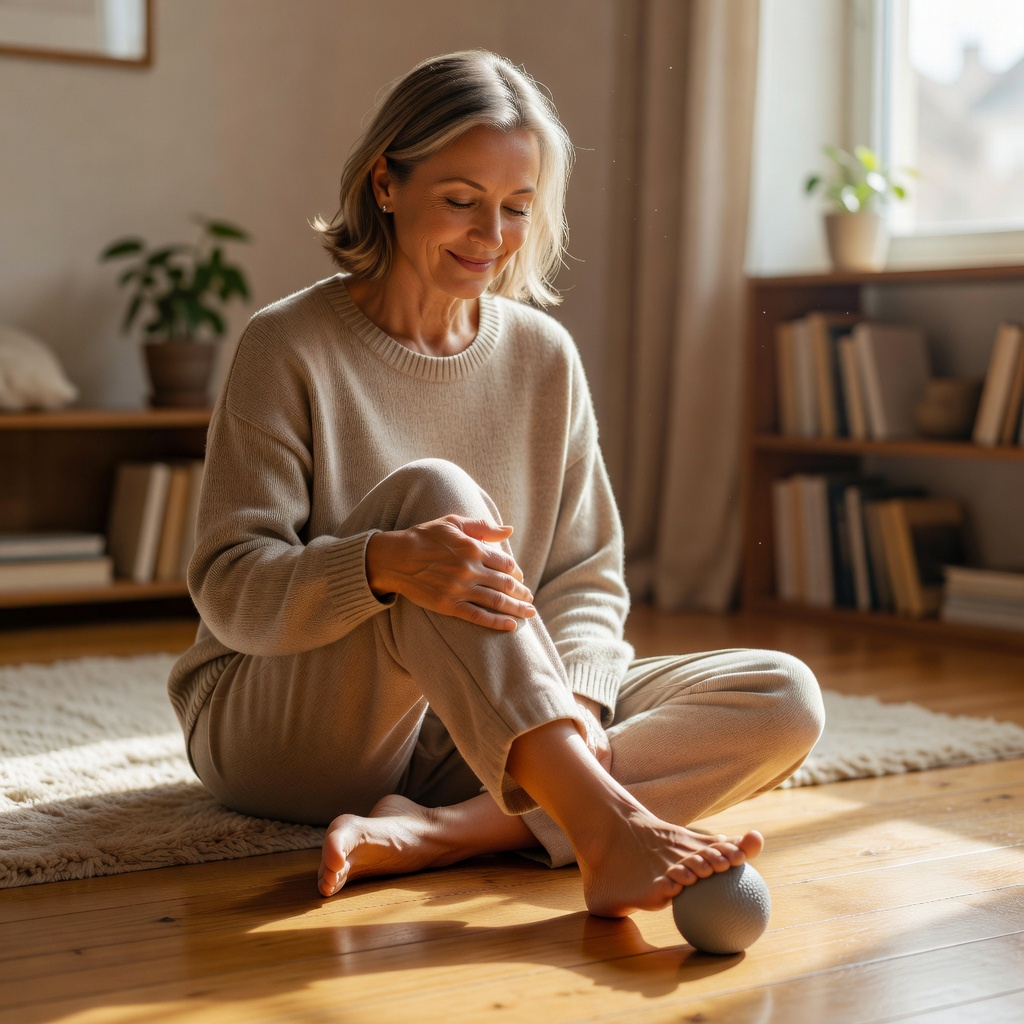
A few minutes of daily foot massage can help relieve tension and support recovery after longer walks.
Quick Guide to Common Foot Recovery Options
Massage Balls
Simple tools that help release tension in the foot muscles.
View Current OptionsToe Spacers
Help gently separate toes and support natural alignment.
View Current OptionsFoot Rollers
Designed to massage the sole of the foot after walking.
View Current OptionsAt a Glance
Compare Recovery Tools
| Recovery Tool | Best For | Recovery Focus |
|---|---|---|
| Massage Ball | Targeted foot tension | Muscle release |
| Toe Spacers | Alignment support | Toe positioning |
| Foot Roller | General foot relaxation | Arch massage |
Each tool focuses on a different aspect of foot recovery and alignment.
Why Foot Recovery Matters for Walkers
The feet act as the body's primary contact with the ground during walking. With each step, the feet absorb impact and help guide movement through the ankle, knee, and hip.
During longer walks, this repeated loading may contribute to:
- Foot fatigue
- Tight muscles in the arch
- Reduced mobility in the toes
- General stiffness after walking
Recovery tools can help support relaxation of foot muscles and encourage natural movement after walking. Many walkers incorporate simple recovery routines to maintain foot comfort and mobility.
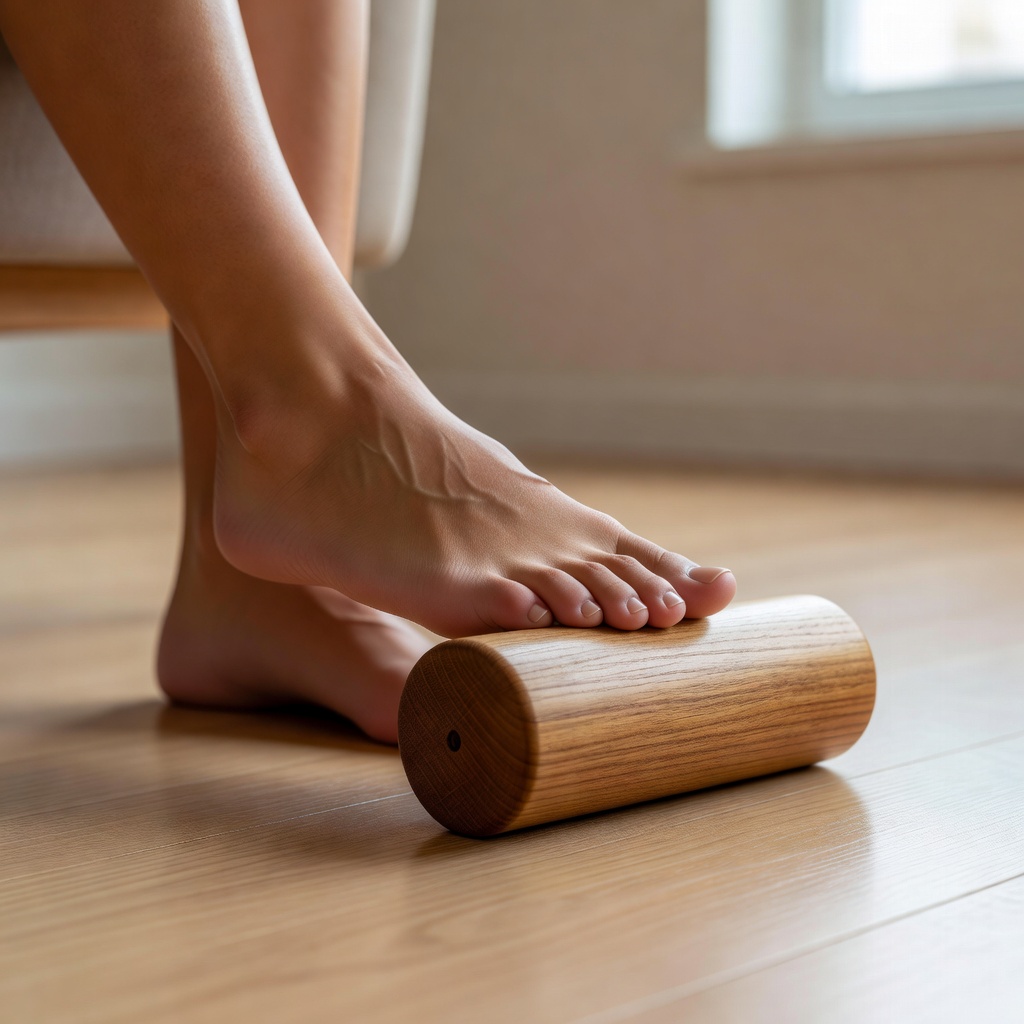
Foot rollers provide a simple way to massage the arch and sole after a walk.
Signs You May Benefit from Foot Recovery Tools
Some walkers explore recovery tools if they notice:
Recovery tools are often used after walking as part of a simple relaxation or mobility routine.
What to Look for in Foot Recovery Tools
Comfort
Tools should feel comfortable to use and provide gentle pressure rather than discomfort. Recovery routines should promote relaxation rather than strain.
Simplicity
Many effective recovery tools are simple and easy to use at home. Short daily routines can support foot relaxation and mobility.
Durability
Recovery tools should be durable enough to maintain their shape and effectiveness during repeated use. High-quality materials help ensure consistent performance.
Recommended Foot Recovery & Alignment Tools
The following tools are selected based on features walkers commonly find helpful for comfort and recovery.
Massage Ball
Targeted Foot Release
Massage balls are small, firm balls used to apply gentle pressure to areas of tension in the foot.
Key Features:
- Target specific areas of foot tension
- Portable and easy to use
- Useful for arch and heel massage
- Can be used seated or standing
Why This May Help Walkers:
Rolling the foot over a massage ball can help relax tight muscles in the sole of the foot. Best for walkers seeking targeted foot relaxation after longer walks.
Toe Spacers
Alignment Support
Toe spacers gently separate the toes and are often used during recovery routines to encourage natural toe positioning.
Key Features:
- Encourage natural toe spacing
- Lightweight and comfortable
- Easy to incorporate into recovery routines
- Available in various materials
Why This May Help Walkers:
Separating the toes may help encourage natural movement patterns and reduce tightness between toes. Best for walkers interested in improving toe flexibility and alignment.
Foot Roller
General Foot Massage
Foot rollers are designed to massage the sole of the foot and stimulate circulation after walking.
Key Features:
- Easy to use while seated
- Relaxing arch massage
- Simple recovery tool
- Wooden or textured surface options
Why This May Help Walkers:
Rolling the foot across a textured surface can help relieve tension and promote relaxation after walking. Best for walkers seeking a simple and relaxing recovery routine.
When to Use Foot Recovery Tools
Many walkers incorporate recovery tools:
Short recovery sessions can help maintain foot comfort and mobility.
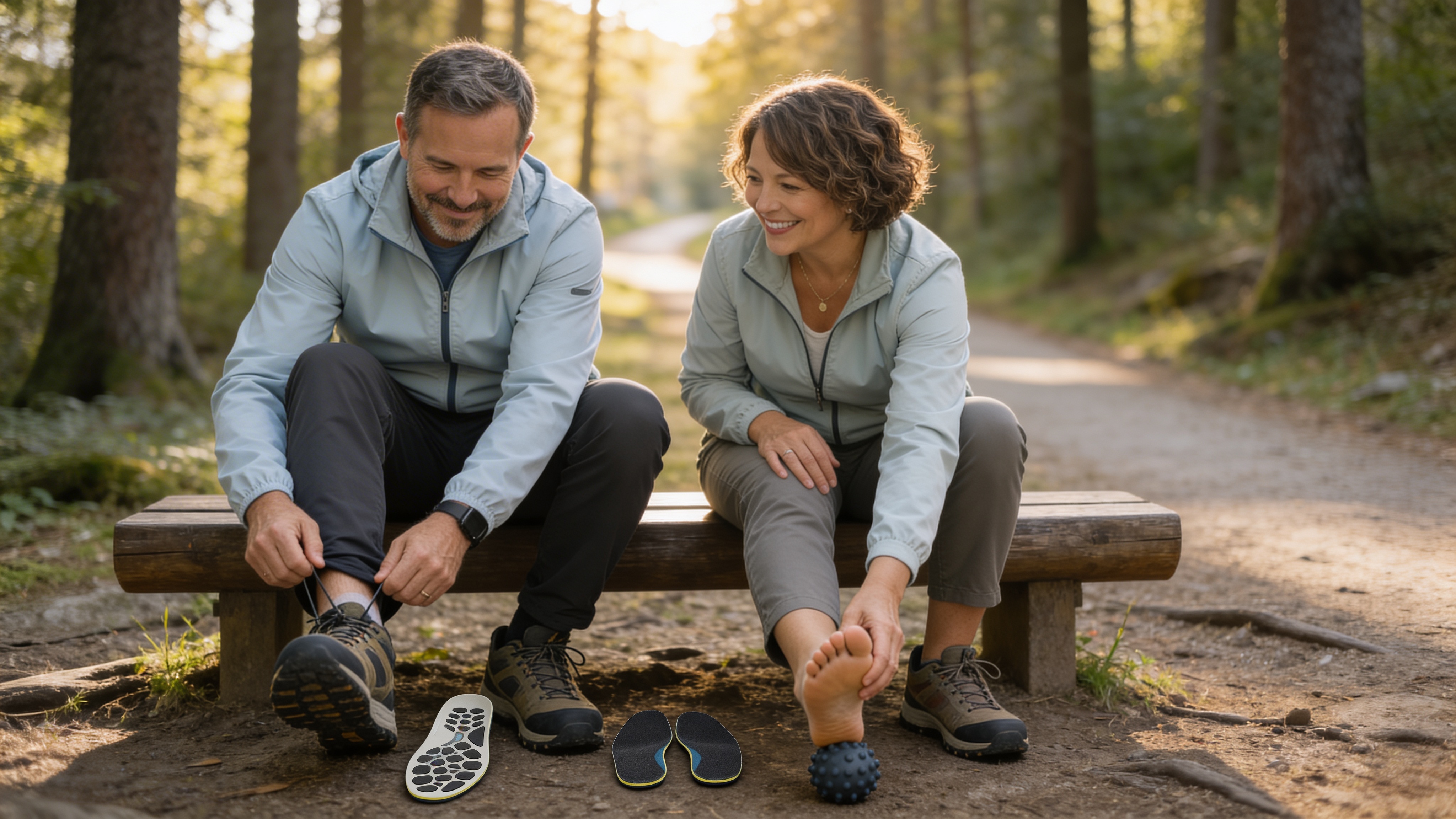
Taking a short break to use recovery tools — insoles, massage balls — can support foot comfort during and after longer walks.
Supporting Foot Alignment During Walking
Foot alignment influences how the body distributes load during walking.
When the foot moves naturally, it helps guide motion through the ankle, knee, and hip. Simple recovery tools may support foot mobility and help maintain comfortable walking mechanics.
Understanding how your body responds to walking can help determine which recovery tools may be helpful.
Which Walkers Benefit Most From These Tools
These tools are commonly used by:
- Walkers with tired or tight feet after longer walks
- Walkers covering longer distances who want to maintain foot health
- Walkers focusing on recovery between walking sessions
Not sure which of the 4 walking patterns fits you?
Related Guides
Understand Your Walking Pattern
Walking comfort is influenced by many factors. Find out which of the 4 walking patterns fits you and discover adjustments that support comfortable movement.
Find Your Walking PatternSome links on this page are affiliate links. Limber Nation may earn a small commission at no extra cost to you. Recommendations are based on features walkers commonly find helpful.