Stay Active, Mobile & Independent with the Right Recovery Tools
"Many people don't stop walking because they want to. They stop because recovery becomes harder."
If you enjoy walking but find your legs get heavy, your feet swell, or your knees feel stiff afterward, you're not just "getting older." You're experiencing a recovery gap.
The right recovery tools help you maintain your independence by allowing you to recover faster after walks, walk comfortably again the next day, and enjoy your daily activity without "paying for it" with stiffness later.
Think of these as essential maintenance tools for your walking body — designed to keep you moving longer.
The right recovery tools can:
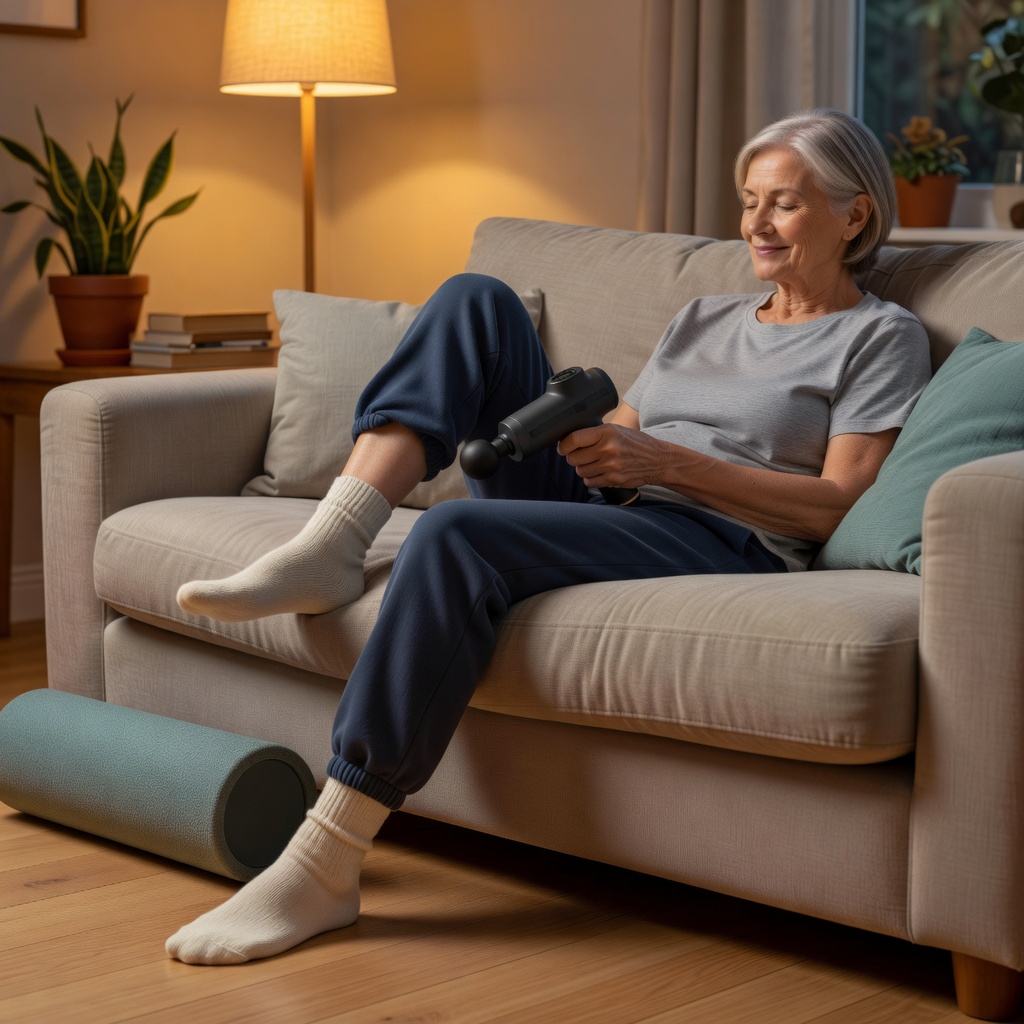
The right recovery tools help reduce soreness, loosen tight muscles, and keep you walking comfortably.
Transparency note: Limber Nation may receive a small commission if purchases are made through links in this guide. This does not affect our recommendations. We focus on tools walkers commonly find helpful for comfort and recovery.
Quick Answer: Best Recovery Tools for Walkers 50+
They don't replace mobility work — but they make walking more comfortable and help your body recover faster.
Heads up:
Some links on this page are affiliate links. If you click through and make a purchase, we may earn a small commission — at no extra cost to you. This helps us keep our guides free. We only recommend tools we believe are genuinely helpful for walkers. Read our full Affiliate Disclosure
Recovery is one of the six pillars of sustainable walking after 50. The Walking Mobility Framework explains why it matters as much as the walk itself.
Normatec Elite Full-Leg Compression System
The ultimate recovery for your feet, ankles, and legs
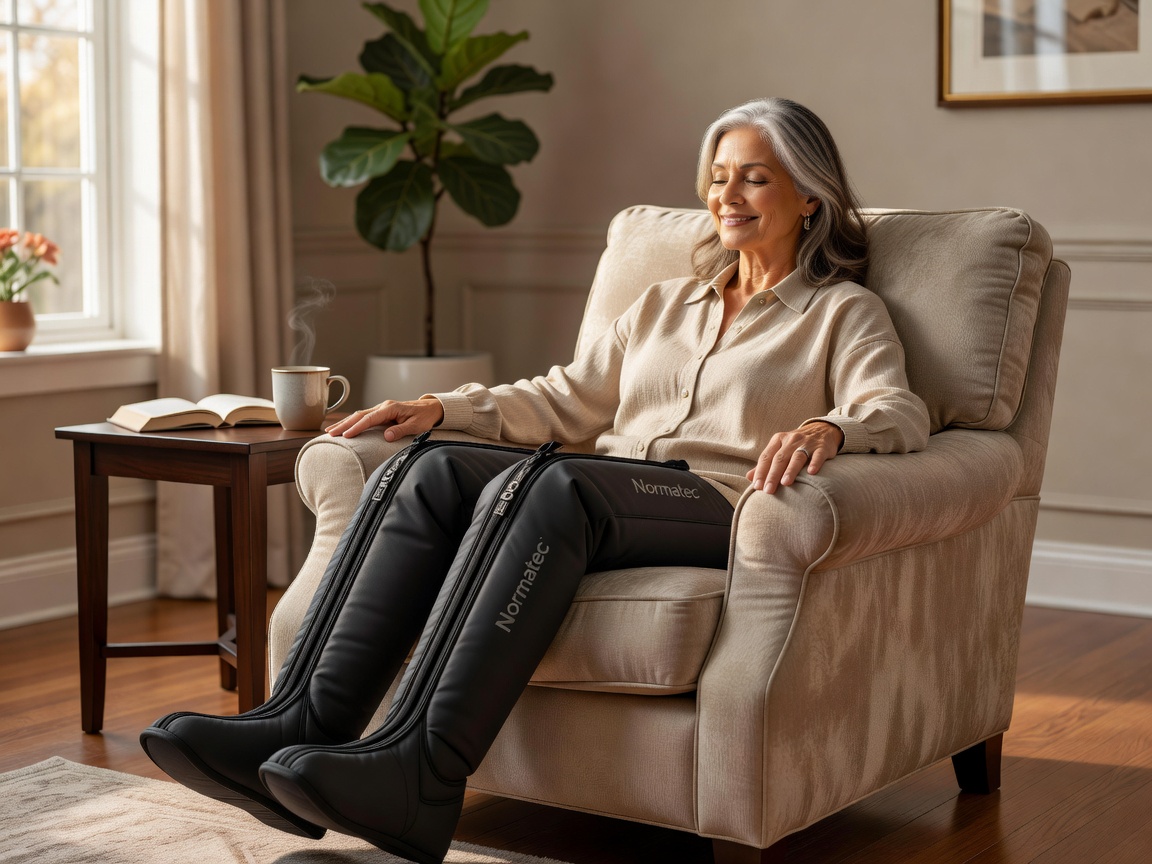
The Normatec Elite is the gold standard for walkers who want to eliminate leg fatigue and swelling. Unlike portable calf-only devices, the Elite provides synchronized compression from your toes all the way to your hips.
It is particularly popular with seniors because it is completely integrated—there are no hoses to connect or bulky control boxes to manage. You simply zip them on and start your recovery. If you struggle with heavy legs, ankle swelling, or foot soreness after a long walk, this system provides the most thorough and effective relief available.
Which Recovery Tool Is Right For You?
The best recovery tool depends entirely on what is making your walking uncomfortable. Match your symptom to the recommended starting tool below.
"We only recommend tools that solve specific walking-related problems. The best choice depends on what is limiting your walking comfort."
Best Recovery Tools for Walkers 50+ (Top Picks)
These five recovery tools are selected for walkers 50+ based on their effectiveness in solving common mobility and comfort issues.
Therabody Theragun Prime
Problem solved: Tight, knotted muscles that limit your range of motion
Best For:
Walkers with tight calves, hips, and hamstrings who want a deep-tissue release at home.
Key Benefits:
- Increases blood flow to tired muscles
- Reduces muscle soreness and stiffness
- Helps maintain stride length
- Quiet and easy to hold
Why Walkers Choose It:
If you find your calves are always tight after walking, or if your hips feel locked, a massage gun is the fastest way to loosen them. It helps reduce the stiffness that often leads to knee pain and a shorter stride.
This May Be Right For You If:
- Your legs feel stiff first thing in the morning
- You have specific 'knots' in your calves or hips
- You want to maintain full range of motion
- You walk most days
Who should skip it:
Skip if you prefer gentle relaxation over deep tissue pressure.
TriggerPoint GRID Foam Roller
Problem solved: General leg stiffness and poor circulation after walking
Best For:
Budget-conscious walkers who want an effective way to maintain hip and leg mobility.
Key Benefits:
- Very affordable and lasts for years
- Improves leg circulation
- Reduces hip and knee stiffness
- Lightweight and easy to store
Why Walkers Choose It:
It is the simplest, most durable tool for improving circulation in the legs. By 'rolling out' your quads and hamstrings, you reduce the tension that pulls on your knees, making your next walk feel much lighter.
This May Be Right For You If:
- You feel 'heavy-legged' after walks
- You have tight quads or hamstrings
- You want a low-cost, high-impact tool
- You have space to roll on the floor
Who should skip it:
Skip if you have significant difficulty getting down to or up from the floor.
United Ortho Plantar Fasciitis Night Splint
Problem solved: Morning heel pain and stiff feet
Best For:
Walkers suffering from plantar fasciitis or those whose feet feel very stiff for the first few steps of the day.
Key Benefits:
- Holds foot at a gentle overnight stretch
- Relieves morning heel pain and stiffness
- Lightweight and breathable for sleep
- Affordable and trusted by thousands of walkers
Why Walkers Choose It:
United Ortho is a trusted name in orthopedic recovery. This lightweight, rigid splint holds your foot at a gentle 90-degree angle while you sleep, preventing the plantar fascia from tightening and shortening overnight. It is the most effective way to ensure your first steps in the morning are comfortable rather than painful.
This May Be Right For You If:
- Your first steps in the morning are painful
- You have heel or arch pain that's worst in the morning
- Your calves feel extremely tight when you wake up
- You want a non-medicated relief option
Who should skip it:
Skip if you are a very light sleeper who might be disturbed by wearing a brace overnight.
RENPHO Foot Massager Machine
Problem solved: Sore, tired feet and poor circulation after walking
Best For:
Anyone whose feet ache by the end of the day or after a long walk.
Key Benefits:
- Improves circulation in the feet
- Relieves deep arch and heel soreness
- Uses heat to relax tight muscles
- Easy to use while reading or watching TV
Why Walkers Choose It:
It provides a deep, kneading massage that relieves arch and heel soreness. Many walkers find that 15 minutes in this machine after a walk ensures their feet aren't sore the next day.
This May Be Right For You If:
- Your feet throb or ache after walking
- You have cold feet or poor circulation
- You walk on hard surfaces frequently
- You want an effortless recovery tool
Who should skip it:
Skip if you have extremely sensitive feet or prefer a light touch.
Normatec Elite Full-Leg Compression
Problem solved: Whole-leg fatigue, foot soreness, and ankle swelling
Best For:
Active walkers who want the gold standard in recovery with full-leg, ankle, and foot compression.
Key Benefits:
- Full-leg coverage (Feet, Ankles, Calves, Thighs)
- Integrated design—no hoses or external units
- Significant reduction in leg and foot swelling
- 7 levels of medical-grade compression
Why Walkers Choose It:
The Elite system covers everything from your toes to your hips. It’s the easiest premium system to use because the controls are built directly into the boots—no hoses or bulky control units to trip over.
This May Be Right For You If:
- Your feet, ankles, and legs all feel tired
- You want the easiest possible high-end setup
- You experience swelling in more than just your calves
- You want a 'set it and forget it' recovery routine
Who should skip it:
Skip if you only need targeted calf compression or are on a strict budget.
If You Only Buy One Recovery Tool
Depending on your goals and budget, these are our three top recommendations for walkers over 50.
Best Budget Choice
TriggerPoint GRID Foam Roller
Most affordable way to reduce leg stiffness and improve walking comfort.
Best Overall Choice
Theragun Prime
Helps the widest range of walking muscles — calves, hips, hamstrings, and feet.
Best Premium Choice
Normatec Elite Full-Leg Compression
Provides the most thorough recovery from your feet to your thighs, reducing swelling and leg fatigue.
Walking Problems Recovery Tools Can Help
Recovery tools work best when you understand the underlying problem. Explore our guides on common walking challenges.
Why Legs Feel Heavy When Walking
Learn how circulation and recovery tools fix that heavy, leaden feeling in your legs.
Why Feet Swell When Walking
Discover why swelling happens and how compression helps you stay active.
Walking Slower Than I Used To
Recovering faster is the key to maintaining your walking speed as you age.
Balance Getting Worse While Walking
Tight muscles affect your stability — recovery tools help maintain your balance.
Why Knees Hurt Walking
Stiff muscles pull on your joints. Better recovery leads to less knee discomfort.
How Your "Walking Chain" Works
Walking problems usually come from a break in your mobility chain, not just one isolated area. When one muscle group is tight, another has to overwork, leading to soreness and fatigue.
Common Chain Reactions:
- Tight calves → Knee stress
- Tight hips → Short stride
- Stiff feet → Balance problems
- Limited ankle → Slow walking
Understanding how your walking chain works together is the first step toward lasting comfort. Recovery tools help the muscles, but the full Walking Mobility Framework explains the "why" behind your discomfort.
Understand What's Affecting Your Walking
If you walk slower than you used to, get sore after walking, have knee or foot pain, feel stiff when walking, get tired quickly, or feel unstable or off balance — you should take the Mobility Walking Assessment.
It helps identify:
- Your walking pattern
- Mobility limitations
- What may be causing discomfort
- What to improve first
Identify what's affecting your walking comfort so you can choose the right recovery approach.
Good recovery tools support your walking routine — the Framework shows how recovery fits with the other five pillars.
Frequently Asked Questions
Final Thought
The goal is not just to recover from walking. The real goal is: Walk comfortably, walk longer, walk confidently, and keep walking for life.
"The right recovery tools — combined with better mobility — can completely change how walking feels."