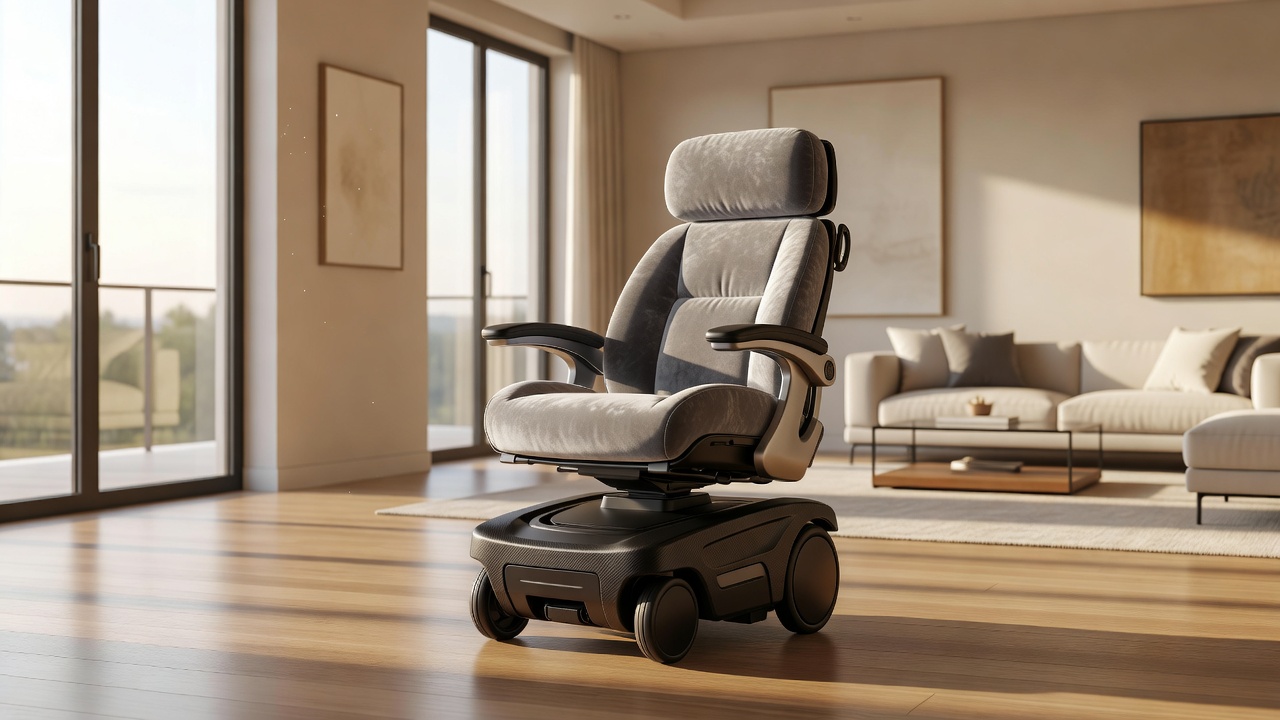
Power chairs can feel intimidating. They often look more substantial and clinical than mobility scooters. But for many people, they are also the most supportive, most comfortable mobility option available, especially for those who spend significant time seated or need full-day support.
The best way to approach this decision is to start with your day, not the chair. The right power chair is the one that fits YOUR home, YOUR routines, and YOUR specific comfort needs. It is about protecting your energy and ensuring you can navigate your own life without constant fatigue or worry.
This guide walks you through the real-world decisions: seating, controls, maneuverability, transport, and the emotional side that most guides ignore. Our goal is to help you find the tool that keeps you present, active, and comfortable.
Are You Ready for a Power Chair?
Power chairs often carry more of a stigma than scooters. For some, they feel like "the next step" or a marker of decline. It is a feeling we hear often: Am I really at the point where I need this?
We want to address this directly: a power chair is not a surrender. It is a decision to protect your energy and your safety. Many people who struggle with a walker or a scooter find that a power chair actually gives them MORE independence. Because they aren't exhausted by the effort of moving, they have more energy for the people and activities they enjoy.
Think of a power chair as a tool for participation. If you are avoiding going to the dining room or joining family outings because it is too tiring or painful, a power chair solves that problem. It keeps you in the room.
Power Chair vs. Mobility Scooter — Which Is Right?
While they both provide electric mobility, they serve different lifestyles. A scooter is often like a convertible for the sidewalk, while a power chair is more like a highly maneuverable ergonomic office chair for your whole life.
If you need to navigate tight indoor spaces or require positioning support like tilt and recline, a power chair is almost always the superior choice.
View the Mobile Options GuidePower chair might be right if:
- You need all-day seating support and pressure relief
- You need to navigate tight hallways and doorways indoors
- You have limited hand or arm strength (joystick control)
- You need a chair that can spin in place
Mobility scooter might be right if:
- You only need support for occasional long outings
- You mainly plan to use it outdoors on paths or parks
- You prefer traditional handlebar (tiller) steering
- You need to transport it in a standard car trunk
Where Will You Use It?
Your environment dictates the best drive-wheel configuration and battery range. Think about where you spend 80% of your time.
Mostly Indoors
You need:
- Tight turning radius for doorways
- Mid-wheel drive for maneuverability
- Narrow frame for hallways
- Quiet motor for shared spaces
Indoor + Outdoor Mix
You need:
- Good suspension for sidewalks
- Adequate battery for neighborhood trips
- Weather-resistant controls
- Comfortable for 4+ hours
Full-Day Support
You need:
- High-back seat with tilt/recline
- Pressure-relieving seat cushion
- Elevating leg rests
- Programmable positioning
Active Outdoor Lifestyle
You need:
- Larger wheels for varied terrain
- Higher ground clearance
- Extended battery range
- Front-wheel or all-wheel drive
Can You Transport It Safely?
Power chairs are significantly heavier than scooters, often weighing between 150 and 400 pounds. Most do not disassemble easily. This means transport requires planning.
Transport Checklist:
- Does my vehicle have a lift or ramp?
- Can I afford a vehicle modification if needed?
- Will I mostly use it at home or travel with it?
- Is there accessible parking where I usually go?
- Is a lightweight folding power chair a better fit?
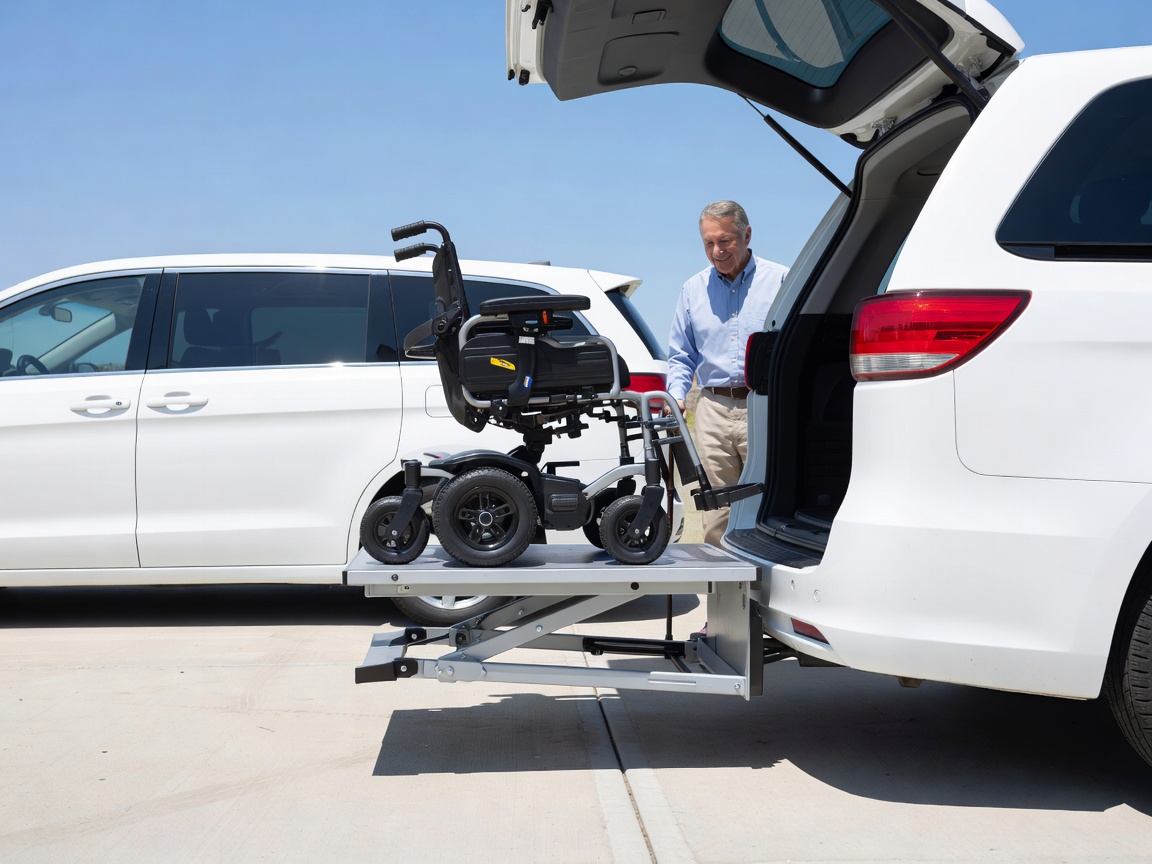
If transport is essential and you don't have a modified vehicle, look specifically at "travel power chairs" or folding models. They are lighter and designed to fit in a trunk, though they often sacrifice some of the all-day comfort and suspension of full-size models.
How Long Will the Battery Last?
Most power chairs have a range of 10 to 20 miles per charge. However, positioning features like a power-elevating seat or tilt-in-space can use additional battery power throughout the day.
Real-World Examples:
Full Day at Home + Yard
5–8 miles
Lunch Out + Shopping
8–12 miles
Full Day Out (Multi-stop)
15–20 miles
Evening Neighborhood Ride
4–6 miles
The golden rule: buy 30% more range than you think you need to account for hills and positioning adjustments.
How Comfortable Will It Be After 4+ Hours?
If you plan to use your chair for the majority of your day, comfort becomes a clinical necessity. Poor seating can lead to pressure sores and increased pain.
Seating & Cushions
Captain's seats with high backs and headrests are standard. Look for memory foam or air-cell cushions for long-term pressure relief.
Positioning Options
Tilt-in-space, recline, and elevating leg rests allow you to change your weight distribution throughout the day to prevent stiffness.
Armrests & Controls
Adjustable joystick position and swing-away armrests ensure you can reach everything comfortably and pull up to tables.
Independent Suspension
Mid-wheel drive chairs with high-quality suspension absorb bumps from thresholds and sidewalks, protecting your back.
How Maneuverable Is It Indoors?
This is where power chairs excel. Unlike scooters, which need a wide circle to turn, many power chairs can spin in place.
Mid-Wheel Drive
The tightest turning radius. The chair rotates around its center point, making it the best choice for small apartments and tight hallways.
Rear-Wheel Drive
More stable at higher speeds outdoors and handles uneven terrain well, but requires a wider space to make a turn.

How Easy Are Transfers?
Safely getting in and out of your chair is crucial. If you have limited standing ability or use a slide board, certain features are non-negotiable.
- Power elevating seat to help you stand
- Swing-away or flip-up armrests
- Swing-away footrests for a clear path
- Seat height that aligns with your bed
- Joystick that swings out of the way
- Stable platform for foot placement
What Will Friends and Family Think?
A power chair can feel like a bigger emotional hurdle because it is more visibly "medical" than a scooter. It is a common worry: Will I be treated differently?
The truth is, the people who love you want you comfortable and safe. They want to see you engaged and present, not struggling or isolated. Once you are out and about, they aren't looking at the chair — they are looking at you, participating in life in a way that wasn't possible when you were limited by fatigue or pain.
The chair eventually becomes like a pair of glasses or a comfortable pair of shoes. It is just the way you get around so you can do the things that matter.
How Much Maintenance Is Required?
Battery Care
Charge nightly. Store in a room-temperature area. Batteries typically need replacement every 2–3 years.
Tires & Wheels
Most use solid or foam-filled tires that never go flat. Check for tread wear annually to ensure good traction.
Electronics
Keep the joystick and controller dry. Avoid using the chair in heavy rain or driving through deep puddles.
Service
An annual professional service check is recommended to ensure the motor and brakes are functioning perfectly.
7 Questions to Ask Before Buying
Do I need all-day seating support or just occasional help?
Power chairs are built for hours of sitting; scooters are for shorter trips.
How important is indoor maneuverability?
If you navigate tight hallways and doorways daily, mid-wheel drive wins.
Can I arrange transport if the chair doesn't fit in my car?
Full-size chairs often require a vehicle lift or an accessible van.
What positioning features do I need?
Tilt, recline, and elevating legs are vital for long-term comfort and health.
Will Medicare or insurance cover this?
Power chairs are often covered as Durable Medical Equipment with the right documentation.
Can I operate a joystick comfortably all day?
Joysticks require minimal strength but different coordination than handlebars.
Am I ready to prioritize my comfort and safety?
The best choice is the one that protects your energy and prevents falls.
Common Buying Mistakes
Skipping the Home Test
Measure your doorways, hallways, and bathroom turns first. A chair that doesn't fit in your home is useless.
Underestimating Transport
A 350-lb chair requires a plan. If you didn't budget for a lift or ramp, you might need a travel model instead.
Ignoring Seating Needs
A seat that feels fine for 10 minutes can be painful after 3 hours. Invest in the best cushion you can afford.
Find the Power Chair That Fits Your Life
Choosing a power chair is a deeply personal decision. It is about matching a tool to your physical needs, your home, and your spirit.
Take your time. Ask the hard questions. And remember: this isn't about what you can't do anymore — it's about what you ARE going to do tomorrow.
A power chair isn't a surrender. It's a decision to stay comfortable, stay safe, and stay present in your own life.