
Before You Read About Walking Slower, Let's Understand Your Walking First
Walking slower than you used to can mean different things for different people. Some people tire earlier in the walk. Some feel stiff or achy after a few minutes. Others are cutting back on outings because walking no longer feels reliable.
The right next step depends on what is actually changing for you.
Some walkers benefit from recovery tools and gentle mobility work. Others need better active support like poles or braces. And some are better served by independence solutions like a trike or scooter.
That is why Limber Nation starts with a short Personalized Mobility Assessment before showing the full article.
In about 3 minutes, we'll learn:
- what slows you down most on walks
- how far you can walk comfortably right now
- what activities you want to keep doing
- what you have already tried
Then we'll create your personalized Walking Mobility Plan and make the article more relevant to your situation.
General advice can explain possibilities. Personalized guidance helps identify what matters most for you.
The full article will be available after your plan is created.

Walking Slower Than I Used To? Let's Talk About What's Really Going On
"I used to walk briskly without thinking about it. Now I notice other people passing me. Shopping trips take longer. Friends seem to move faster than I do."
Many people notice these changes before they notice pain. Walking slower doesn't automatically mean something is wrong—but it may be a signal that your body needs additional support.
The right question isn't "why am I slowing down?"—it's "what kind of support would help me keep moving the way I want to?"
You still have choices. Walking slower is a signal — and the right support can help you find your pace again.
What Feels Most True For You Right Now?
The right solution depends on how much walking slower is affecting your life. Explore the paths below to find the support that matches your situation.

Feel Stronger After Every Walk
You can still walk comfortably, but recovery takes longer than it used to. You notice fatigue, heavy legs, stiffness, soreness, or slower recovery after longer walks.
What helps:
- Compression socks
- Massage tools
- Recovery devices
- Compression boots
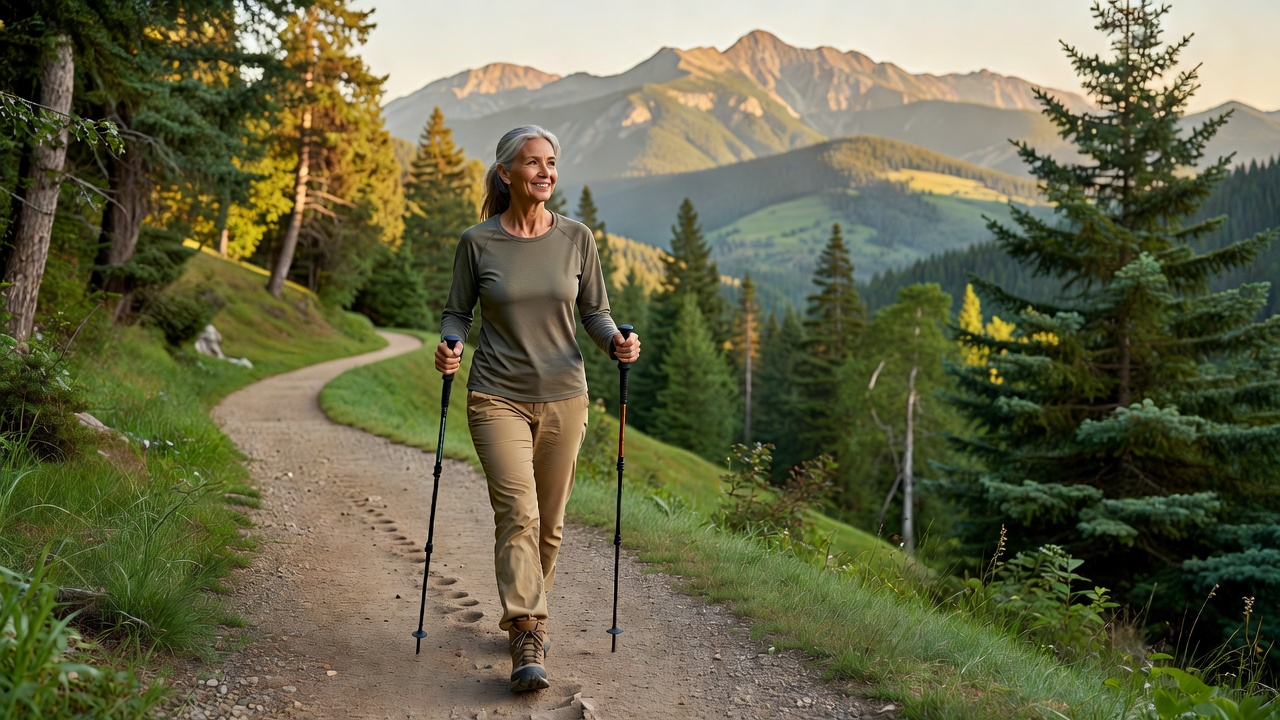
Stay Active for Years to Come
You still enjoy being active but longer distances are becoming more difficult. You want help covering more ground while continuing to move and exercise.
What helps:
- Walking poles
- Electric tricycles
- Stability aids

Keep Your Independence
Walking is beginning to limit where you go, how long you stay, or which activities you participate in. You want practical ways to enjoy outings without exhaustion.
What helps:
- Mobility scooters
- Travel scooters
- Portable mobility solutions
Path 1: Feel Stronger After Every Walk
This path is for the walker who still enjoys their routine but notices that the "recovery gap" is growing. You can still cover the distance, but you're paying for it later with tired, achy, or heavy legs.
The goal here is to reduce that gap. By using tools that support circulation and muscle recovery, you can wake up feeling refreshed and ready to move again, rather than waiting days for stiffness to fade.
Signs this is your path:
- Legs feel heavy after walks
- Stiffness the next morning
- Soreness that lasts longer than it used to
- You've started shortening walks to avoid feeling worn out
Helpful Resources for Recovery
Path 2: Stay Active for Years to Come
If you find yourself declining invitations to walk with friends or skipping trips to the park because the distance feels daunting, this path is for you. You still love being active, but you need a way to extend your range.
Active mobility tools are designed to work with you. They provide the extra stability or power needed to keep you moving further and longer, ensuring you don't have to miss out on the activities that keep you feeling like yourself.
Signs this is your path:
- Wishing you could go further but your legs disagree
- Avoiding longer group walks or community outings
- Looking for a bench sooner than you used to
- Your mind is willing but your body needs support
Active Mobility Solutions
Path 3: Keep Your Independence Without Overdoing It
When walking begins to limit where you go and how long you stay, it's easy for your world to feel like it's getting smaller. This path is about choosing tools that help you stay involved in everything you love doing.
Using a portable mobility solution isn't about giving up—it's about staying in the game. It allows you to conserve your energy for the parts of the day that matter most, whether that's exploring a new museum or spending an entire afternoon at a family gathering.
Signs this is your path:
- You've stopped going to places that require a lot of walking
- You leave events early because you're physically exhausted
- You decline invitations that involve walking or standing
- You miss browsing shops, museums, or gardens at your own pace
Independence & Freedom Tools
Which Path Sounds Most Like You?
Tap the path that best describes where you are right now. There's no wrong answer—this helps us guide you to the most helpful next step.
Walking Forward
Three ways to find your stride again.
1What You Can Start This Week
- Check your walking shoes. Worn-out soles or unsupportive footwear is the most common hidden reason people slow down.
- Practice standing on one leg with counter support. It wakes up the hip stabilizers that control your walking speed.
- Choose a flat, familiar route for your next walk. Rebuild confidence on ground you know, without any surprises.
- Take slightly shorter, more deliberate steps. The goal is rhythm, not speed. Speed often returns on its own once your stride feels steady.
2What Tools Might Make This Easier
Walking poles are the first tool many women try. They give you four points of contact instead of two, which instantly improves stability and lets you walk with a more natural stride. Supportive shoes are the foundation. They change how the ground feels under your feet and how efficiently your body moves. For days when walking distance is the challenge, mobility aids and electric trikes give you another way to stay active and outdoors.
3Your Next Step
Walking slower is usually a combination of factors, not just one thing. The free Mobility Check-In helps you see which part of your walking pattern needs attention most, so you can focus on what will make the biggest difference.
Take the Free Mobility Check-In →You still have choices. Your pace is your own, and it can still feel good.
Not Sure Which Path Fits You?
Most people know they're walking slower. Few know exactly which kind of support would help most. This quick Mobility Check-In helps identify where your walking pattern needs attention.

No login required · Free · About 2 minutes
You still have choices. Walking slower is not the end of your walking story — it's the beginning of a smarter one.