
Before You Read About Heavy Legs, Let's Understand Your Walking First
What's limiting your walking the most right now?
Your answer becomes the first step in your personalized walking plan.
Why Your Legs Feel Heavy After Walking — And What Type of Compression Relief May Help
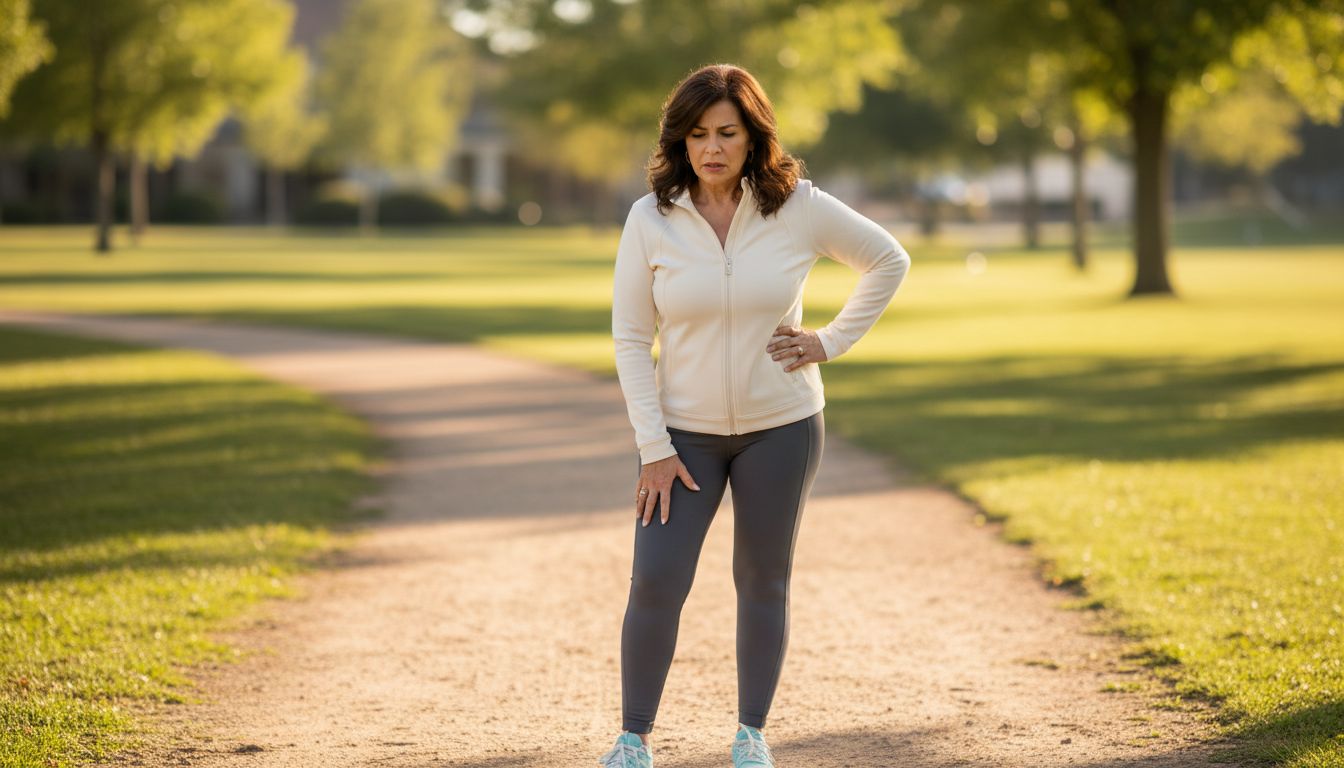
Heavy, tired, swollen, or aching legs after walking are common after 50. Many walkers find that the right relief level helps their legs feel lighter, more refreshed, and makes it much easier to recover and stay active comfortably.
You still have choices. Heavy legs don't mean you have to stop walking — they mean your body is asking for a different approach.
Choose Your Relief Level
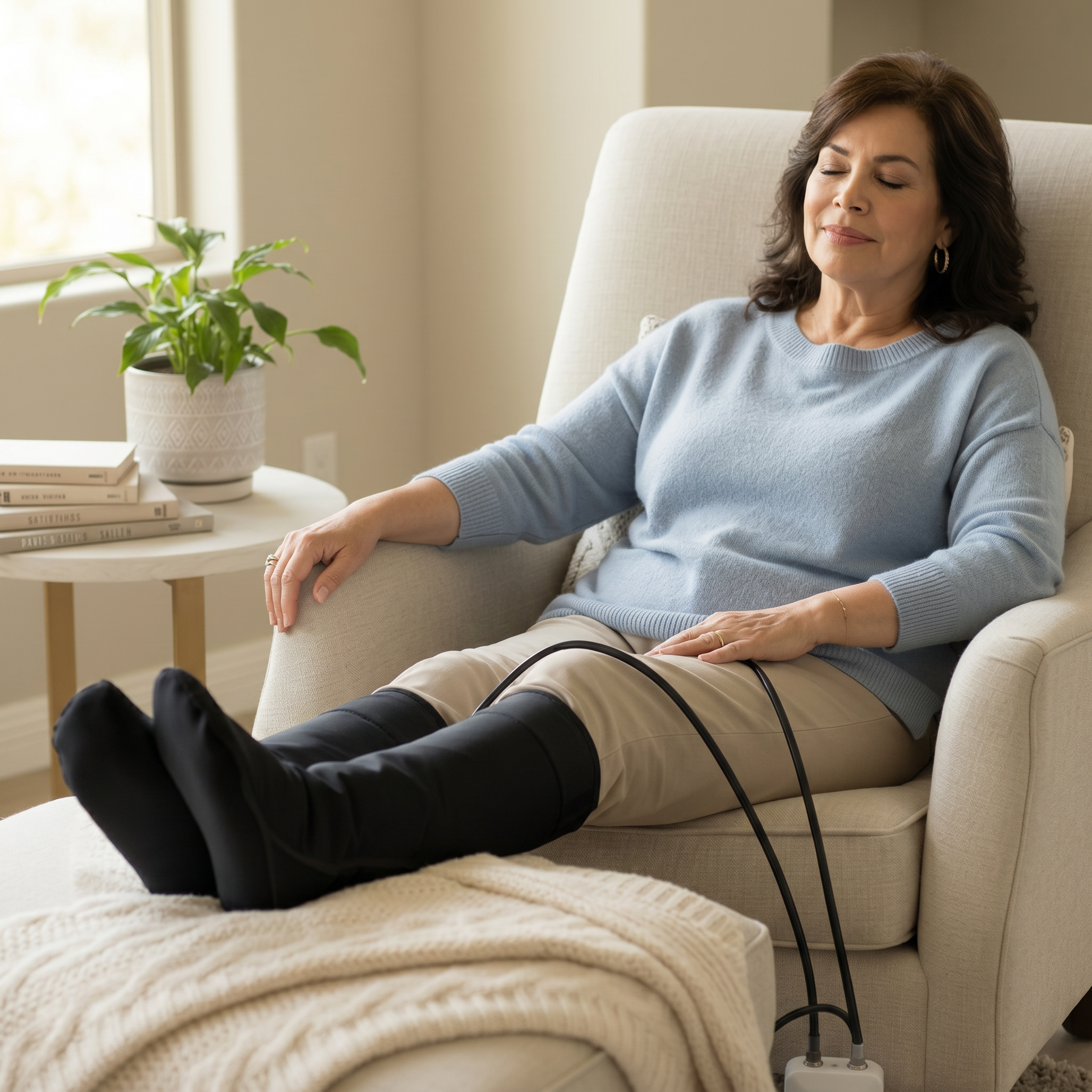
"Finding relief at home makes all the difference."
Why Your Legs Feel Heavy When You Walk
Understanding why your legs feel heavy helps you pick the relief level that actually fits. Here's what's happening and what you can do about it.
When people usually notice it
Heavy legs are very common after 50, and most walkers notice the feeling at specific times:
- After 10–15 minutes of walking
- Going uphill or on longer routes
- At the end of a long day
- When legs just don't feel "light" anymore
The quick answer: Why it happens
Simple truth: Your legs feel heavy when the wrong muscles are doing too much of the walking.
Most of the time, heavy legs happen because:
- Tight hips fighting your swing
- Glutes not doing enough work
- Taking steps that are too long
- Stiff ankles that can't push off
- Thighs overworking to compensate
Which pattern sounds most like you?
Finding your pattern helps you know which tool is likely to help most:
Heavy + Swollen
Legs feel puffy or bigger than usual after walks.
Tight or Stiff
Legs feel locked up or knotted, hard to loosen.
Heavy While Walking
Legs tire quickly and feel heavy mid-walk.
Deep Fatigue + Aching
Heaviness lingers for hours after your walk.
Simple walking adjustments to try
You can often feel an immediate difference by making small shifts in how you move:
Shorter Steps
Stops the 'braking' force and is easier on hips.
Stand Taller
Unlocks your hips and lets your core help out.
Comfortable Pace
Focus on ease rather than pushing for speed.
Gentle Movement
Try ankle circles or hip swings before starting.
When weight may be contributing

Extra weight adds real load to every step you take. When that load is part of why your legs feel heavy, reducing it is one of the most direct ways to feel lighter — a legitimate approach that works alongside compression and movement to lower the effort behind each step, not just the feeling in the moment.
For those who qualify, medically supervised weight loss including prescription GLP-1 medications has become an increasingly common option to discuss with your clinician. It is a legitimate path when extra weight is contributing to leg fatigue, and protecting muscle and walking strength along the way makes a real difference. Learn more in How to lose weight without losing walking strength.
Remember, these are gentle adjustments. For significant heaviness or swelling, the compression levels mentioned above are your most effective path to lighter legs.
Compression Relief Options for Walkers
Every walker has different needs. Whether you're looking for a soft introduction to comfort or a high-end cordless way to recover easier, we've organized these options into three clear relief levels to help you stay active comfortably.
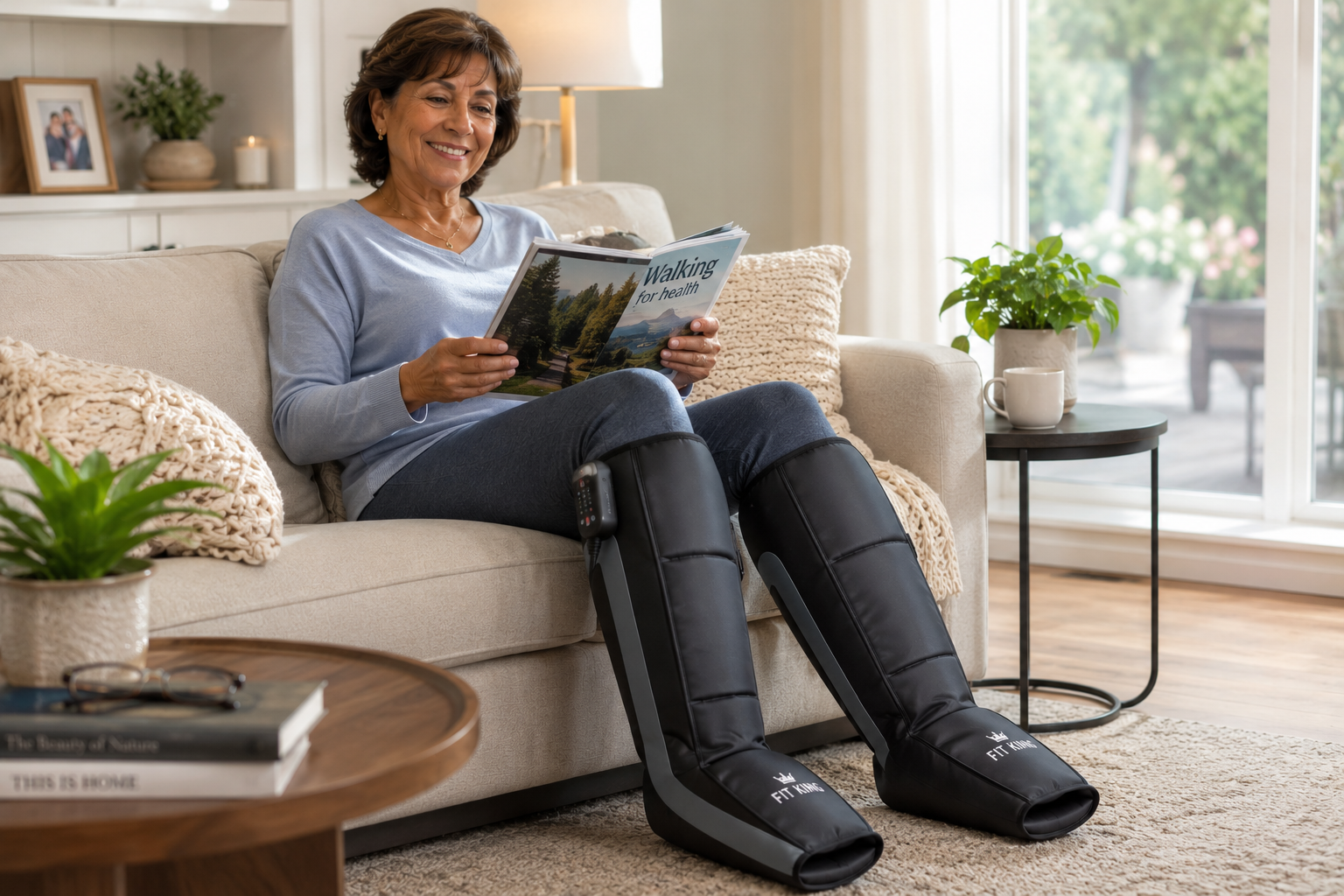
Gentle Relief
Best for:
- Softer introduction
- Easier pricing
- Comfort-oriented
- Simpler devices
Typical Products:
- "Good starting point"
- "Gentle daily comfort"
- "Feel refreshed after walks"
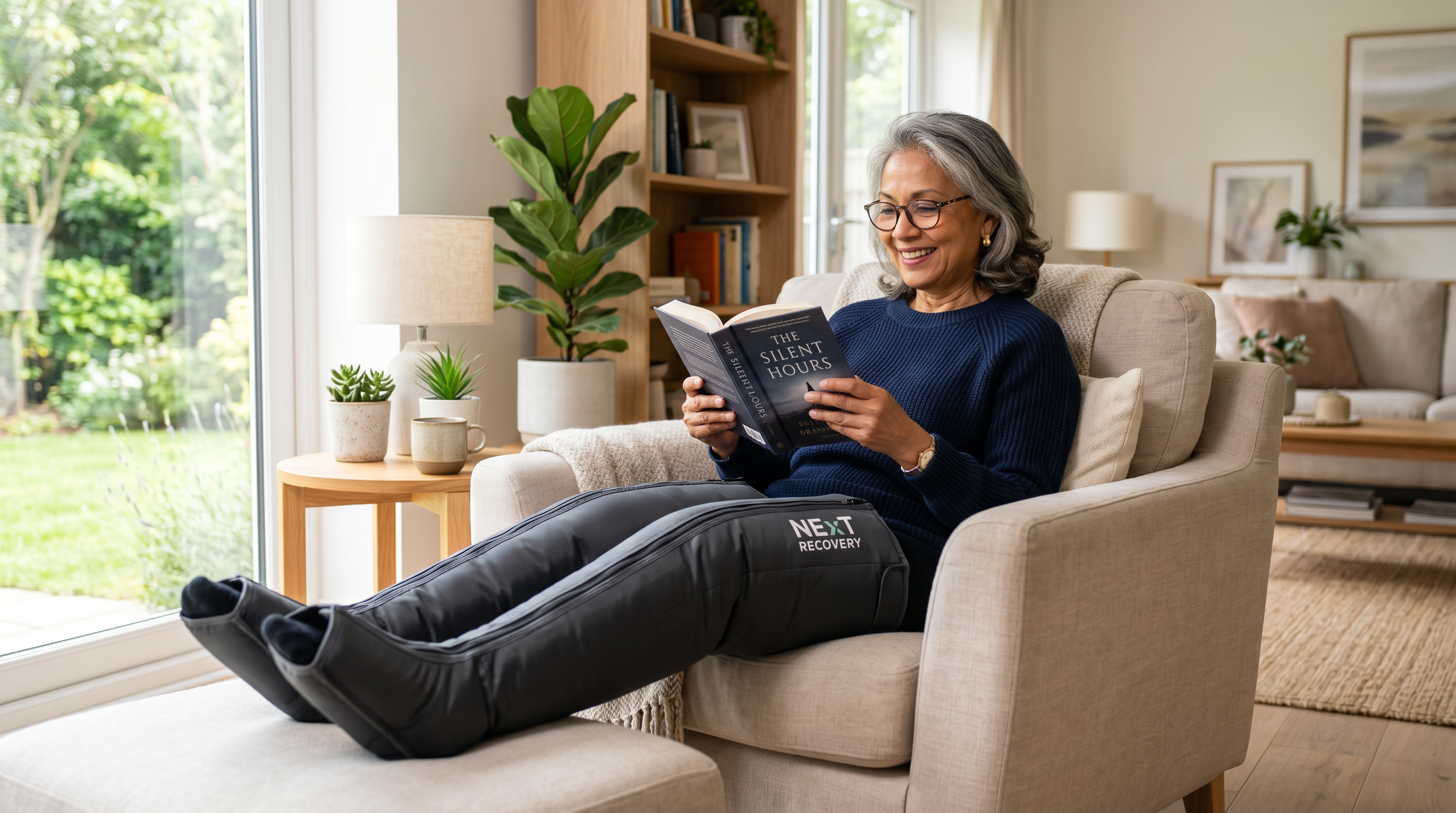
Stronger Relief
Best for:
- More noticeable compression
- Support your walking routine
- Stronger leg refresh feeling
- "Deeper comfort support"
- "For frequent heavy-leg feelings"
- "More complete leg coverage"
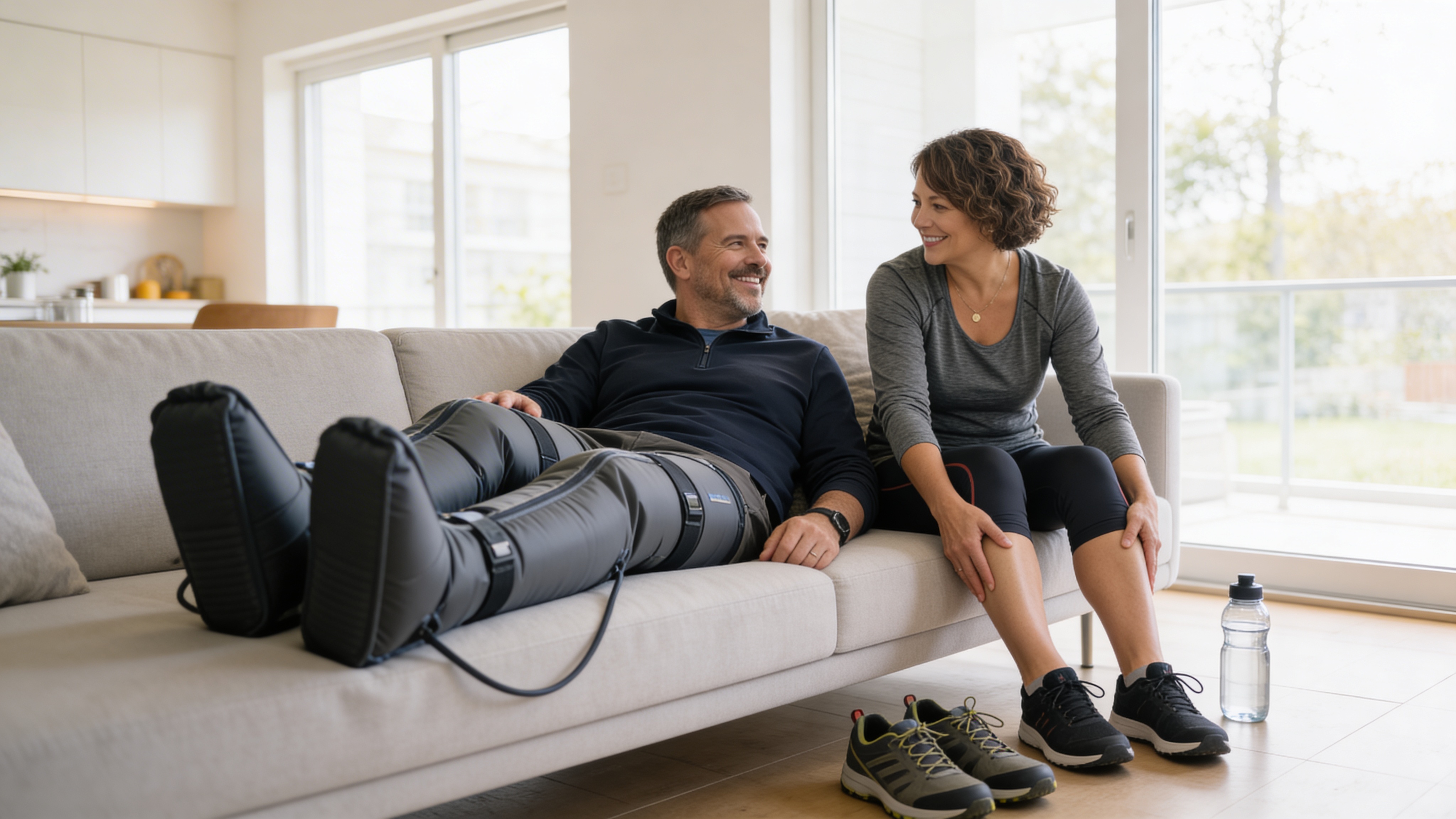
Premium Relief
Best for:
- Premium experience
- Easier cordless systems
- Luxury mobility support
Typical Products:
- "Premium recovery experience"
- "Advanced compression comfort"
- "Easy cordless convenience"
Which Relief Level Fits You?
| If You Experience | Best Starting Point |
|---|---|
| Mild tired legs | Gentle Relief |
| Legs feel heavy often | Stronger Relief |
| Want premium cordless comfort | Premium Relief |
| Swelling after walking | Stronger or Premium |
| Want easiest setup | Premium |
Not Sure Where to Start?
Many walkers begin with Gentle Relief systems first. Others who regularly experience heavy or swollen legs often prefer stronger or premium compression options to help their legs feel lighter and recover easier.
"Note: These relief tiers are designed specifically for active adults over 50 who value comfort, lighter legs, and walking confidence. This is about feeling refreshed after your walk, supported by tools that fit your routine."
Walking Gets Harder
Sometimes heavy legs aren’t just about one difficult walk. Many people notice walking gradually feels harder overall — hills feel tougher, legs tire faster, and recovery takes longer than it used to.
Prefer a Simpler Starting Option?
Not Ready for Compression Boots?
Some walkers prefer starting with compression socks first for lighter support during walks, travel, or long periods standing.
Light Support
Gentle compression for daily active life
Walking Forward
Three things you can do right now to feel lighter on your feet.
What You Can Start This Week
- Take shorter steps — it instantly reduces how hard your legs have to work with every stride.
- Stand taller when you walk — your posture is the first thing that lightens the load on your legs.
- Elevate your legs for 15 minutes after a long walk — simple, old-fashioned, and remarkably effective.
- Check your walking shoes — worn-out soles make your leg muscles work overtime to compensate.
What Tools Might Make This Easier
Compression socks are the simplest starting point. They support circulation and give your legs that "lighter" feeling many walkers notice within the first walk. For deeper relief and faster recovery, compression boots provide a more complete recovery experience at home. Many women start with socks, then add boots once they feel the difference.
Your Next Step
Every woman's legs feel heavy for different reasons. The Walking Mobility Plan starts with a quick quiz to identify what is behind yours, then builds a personalized plan with specific product recommendations and daily habits to help you feel lighter and walk more comfortably.
You still have choices. The walk you want is still waiting for you.

Find Out Why Your Legs Feel Heavy
If your legs feel tired and slow, the most helpful thing you can do is figure out where the energy is being wasted.
🎯 What the Assessment Reveals:
Free · 2 minutes · See results immediately
If your legs feel heavy, start here:
Heavy or swollen feeling, worse by evening
If your legs swell or feel like anchors by evening, supporting your circulation can provide immediate relief.
See Compression SocksGeneral fatigue, slow recovery
If you just feel tired overall and take a long time to feel 'fresh' again, professional recovery tools can speed up that process.
See Recovery ToolsFAQ — Heavy Legs When Walking
"You still have choices."
Heavy legs are a signal, not a sentence. When you understand why they feel that way, you can do something about it — and that changes everything.
Related Walking Problems
Other common issues that often go hand-in-hand with heavy legs. Understanding the full picture helps you find the right path to comfort.