Best Circulation & Compression Recovery Tools for Walkers
This guide is designed to help walkers understand when circulation support tools may be helpful — especially based on how their body responds during and after walking.
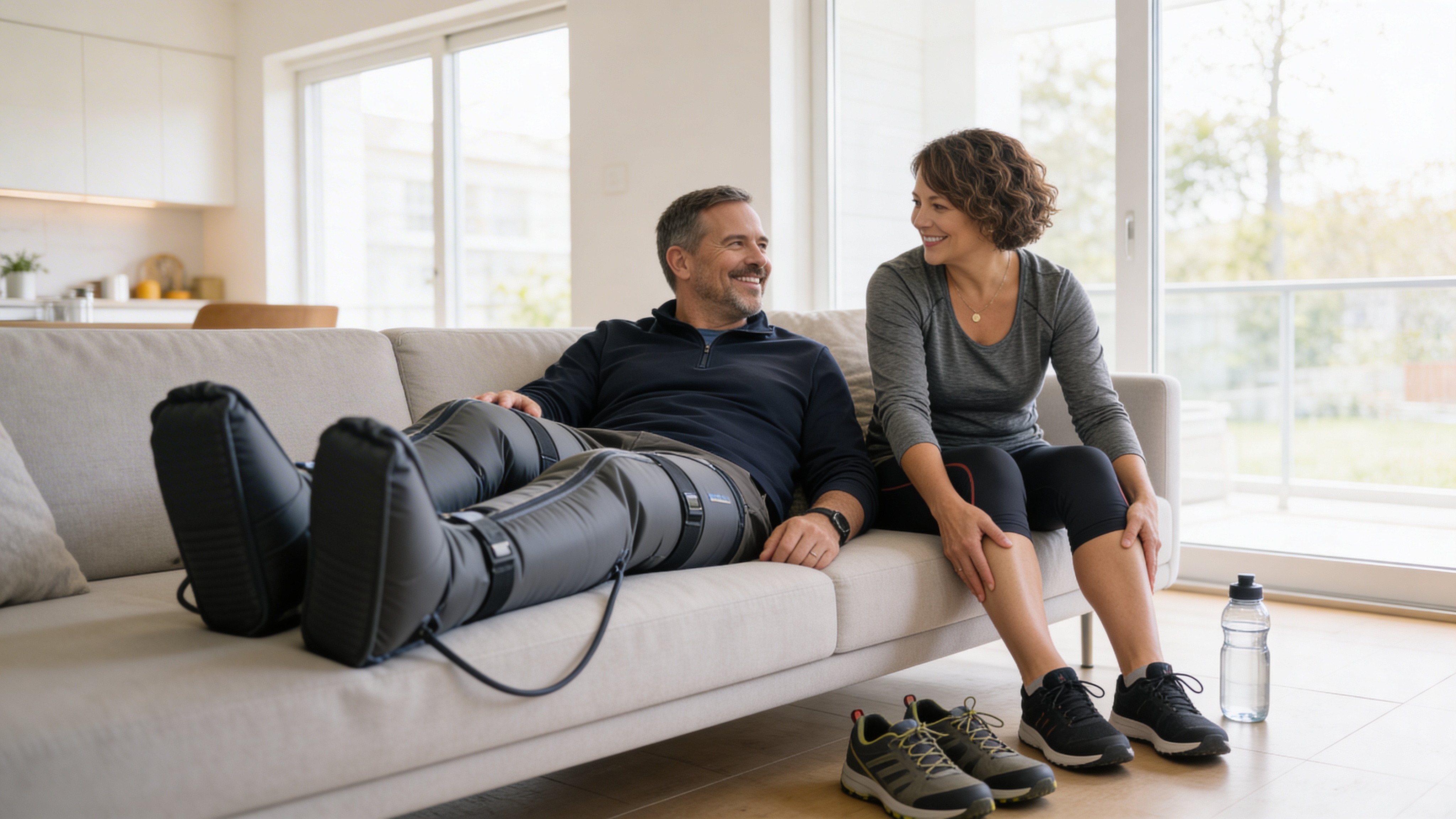
Supporting circulation and recovery after longer walks can make a noticeable difference in how your body feels the next day.
Walking is one of the best activities for maintaining mobility, circulation, and overall health. During a walk, the muscles of the legs act as a natural pump that helps move blood back toward the heart.
After longer walks or periods of extended activity, some walkers notice sensations such as leg fatigue, heaviness, or mild swelling. These sensations are often related to temporary changes in circulation and muscle recovery.
Circulation and compression recovery tools are commonly used by active individuals to help support blood flow, reduce muscle fatigue, and promote recovery between walking sessions.
In this guide, we review several types of circulation and compression tools that walkers often use to support recovery and maintain comfortable movement.
Transparency note: Limber Nation may receive a small commission if purchases are made through links in this guide. This does not affect our recommendations. We focus on tools walkers commonly find helpful for comfort and recovery.
Circulation is one of the six pillars of sustainable walking after 50. The Walking Mobility Framework explains how all six connect.
How to Know If You Need Circulation Support
Many walkers notice these signs after longer walks:
- You feel heavier or more tired legs after walks
- Recovery takes longer than you'd expect
- You notice mild swelling or fatigue in your lower legs
- You feel fine during the walk — but uncomfortable after
If any of these sound familiar, compression support may help. The tools below are designed for exactly this.
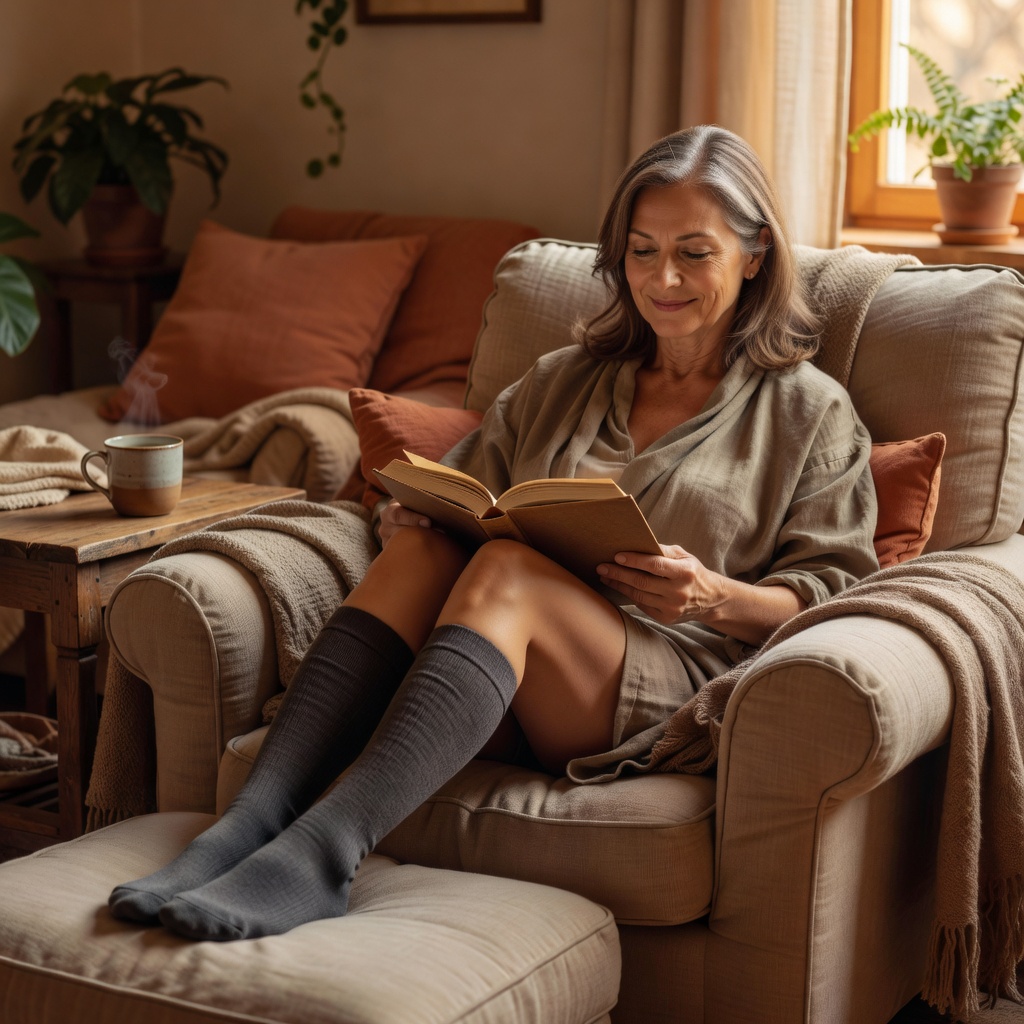
Compression socks are one of the simplest ways to support circulation during and after longer walks.
Quick Guide to Common Circulation Options
Compression Socks
Provide gentle compression to help support circulation during or after walks.
View Current OptionsCompression Sleeves
Designed to support circulation in the calves and lower legs.
View Current OptionsCompression Recovery Boots
Use air pressure chambers to provide sequential compression along the legs.
View Current OptionsAt a Glance
Compare Recovery Tools
| Recovery Tool | Best For | Compression Type |
|---|---|---|
| Compression Socks | Daily walking support | Light–Moderate |
| Compression Sleeves | Targeted calf support | Moderate |
| Compression Recovery Boots | Full leg recovery | Sequential compression |
Each option provides a different level of circulation support depending on recovery needs.
Why Circulation Matters for Walkers
Circulation plays an important role in how the body recovers after physical activity. During walking, muscles repeatedly contract and relax. These contractions help move blood through the veins and support circulation throughout the legs.
After longer walks, some walkers may notice:
- Temporary muscle fatigue
- Mild leg heaviness
- Reduced circulation feeling in the lower legs
- Slower recovery between walking sessions
Circulation-support tools can help promote blood movement through the legs and may assist with recovery after extended activity. Many walkers incorporate circulation support tools into their recovery routines after longer walks.
Understanding Compression Technology
Compression tools work by applying gentle pressure to the muscles and blood vessels in the legs. This pressure can help support circulation by encouraging blood flow back toward the heart.
Different tools apply compression in different ways:
Static Compression
Compression socks and sleeves apply consistent pressure to the legs.
Graduated Compression
Some compression garments are designed so pressure is strongest near the ankle and gradually decreases toward the knee.
Sequential Compression
Advanced recovery boots use air chambers that inflate and deflate in sequence, creating a wave-like compression that moves upward along the leg.
Each approach provides different levels of circulation support.
Signs You May Benefit from Circulation Recovery Tools
Some walkers explore compression tools if they notice:
These tools are often used as part of a general recovery routine after activity.
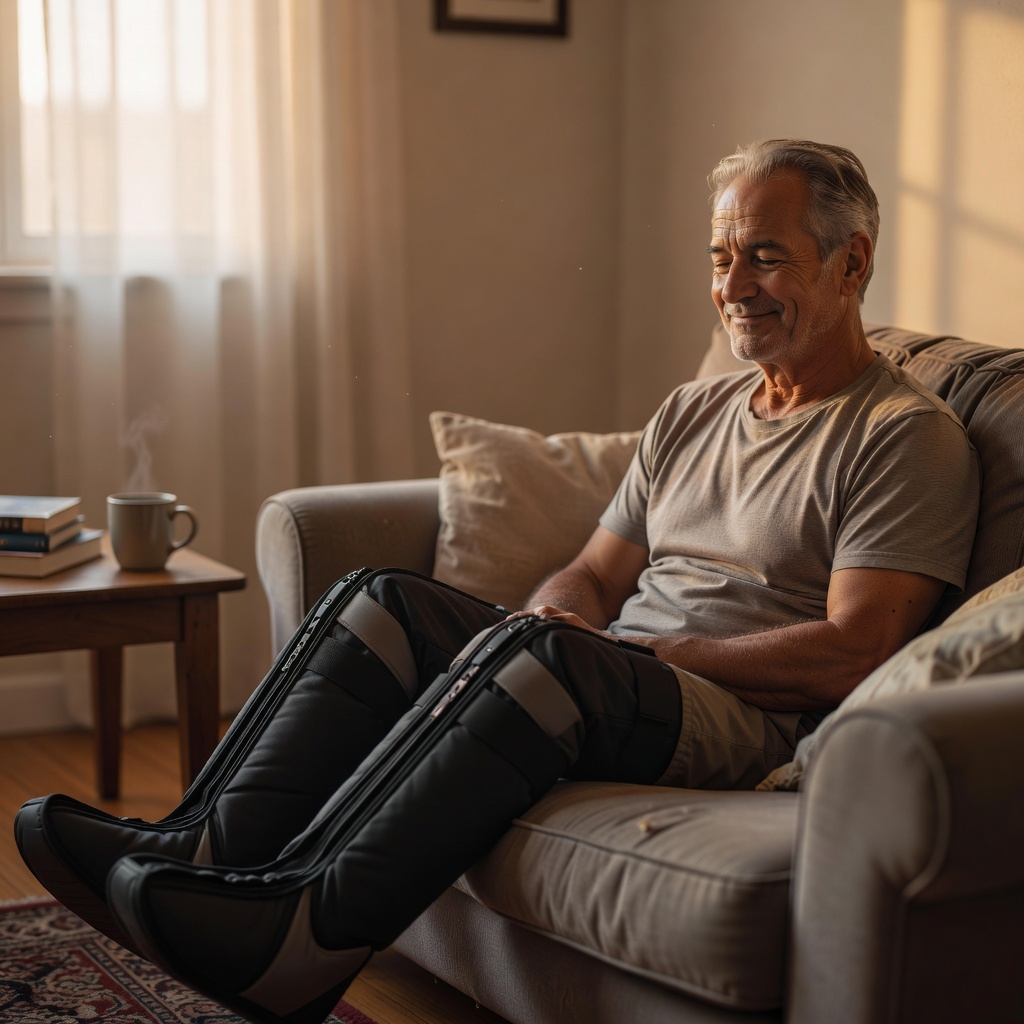
Compression recovery boots use sequential air pressure to help promote circulation and leg relaxation after extended walks.
What to Look for in Circulation Recovery Tools
Compression Level
Compression garments are often rated in millimeters of mercury (mmHg). Common levels include light (10–15 mmHg), moderate (15–20 mmHg), and firm (20–30 mmHg). Walkers typically begin with light or moderate compression.
Comfort and Fit
Compression tools should fit comfortably without restricting natural movement or causing discomfort. Proper sizing helps ensure the intended level of compression support.
Ease of Use
Some walkers prefer simple tools like compression socks, while others use more advanced recovery systems. Choosing tools that fit into a daily routine helps maintain consistency.
Recommended Circulation & Compression Recovery Tools
The following tools are selected based on features walkers commonly find helpful for comfort and recovery.
Choose Your Level
How to Choose the Right Level of Support
Compression Socks
New to compression, or just want simple everyday leg support after walks.
→ Easiest to use
Compression Sleeves
Mostly feel it in the calves, and want focused calf support without covering the foot.
→ Targeted calf relief
Recovery Boots
Walk regularly and want a structured recovery routine that supports the whole leg.
→ Full-leg recovery
Not sure where to start? Most walkers begin with compression socks and add sleeves as needed.
Compression Socks
Everyday Circulation Support
Compression socks are one of the simplest and most widely used tools for supporting circulation during and after walking. They apply gentle, consistent pressure to the lower legs, helping encourage blood flow back toward the heart.
✅ Best For
- Walkers who feel leg fatigue after longer walks
- Those experiencing heaviness or mild swelling in the lower legs
- Anyone looking for a simple, daily recovery habit
🧠 When to Choose This
If you're just starting to notice slower recovery — or want an easy way to support circulation without changing your routine — compression socks are often the best place to begin.
⚙️ Key Features
- Lightweight and comfortable for daily wear
- Easy to use during or after walking
- Supports circulation in feet and lower legs
- Available in different compression levels
💡 Why This May Help
During walking, your leg muscles act like a pump to move blood upward. After activity, that process slows — which can lead to fatigue or heaviness.
Compression socks help maintain that circulation support even after your walk is done, which may reduce post-walk discomfort and improve recovery between sessions.
⚠️ Keep in Mind
- •Start with light to moderate compression if you're new
- •Proper sizing matters more than higher pressure
- •Comfort = consistency (you're more likely to actually use them)
🔗 Not Sure If This Is Right for You?
👉 Find Your Walking PatternCompression Sleeves
Targeted Calf Support
Compression sleeves are designed to provide focused support to the calf muscles without covering the foot. This makes them a popular option for walkers who want circulation support in specific areas while maintaining flexibility.
✅ Best For
- Walkers with tight or fatigued calf muscles
- Those who prefer targeted support instead of full-foot compression
- Walkers who want something easy to put on and remove
🧠 When to Choose This
If your discomfort is mostly in your calves rather than your feet, sleeves can provide more focused relief while still supporting circulation during recovery.
⚙️ Key Features
- Targets calf muscles directly
- Easier to put on than full socks
- Comfortable for post-walk recovery
- Can be worn during or after activity
💡 Why This May Help
The calf muscles play a major role in pushing blood back up the legs during walking. When they become tight or fatigued, circulation can feel slower afterward.
Compression sleeves apply pressure directly to this area, helping support that natural pumping action and reduce feelings of tightness after activity.
⚠️ Keep in Mind
- •Does not support the foot or ankle like full socks
- •Best for targeted use, not full-leg recovery
- •Fit still matters — avoid overly tight options
🔗 Not Sure If This Is Right for You?
👉 Find Your Walking Pattern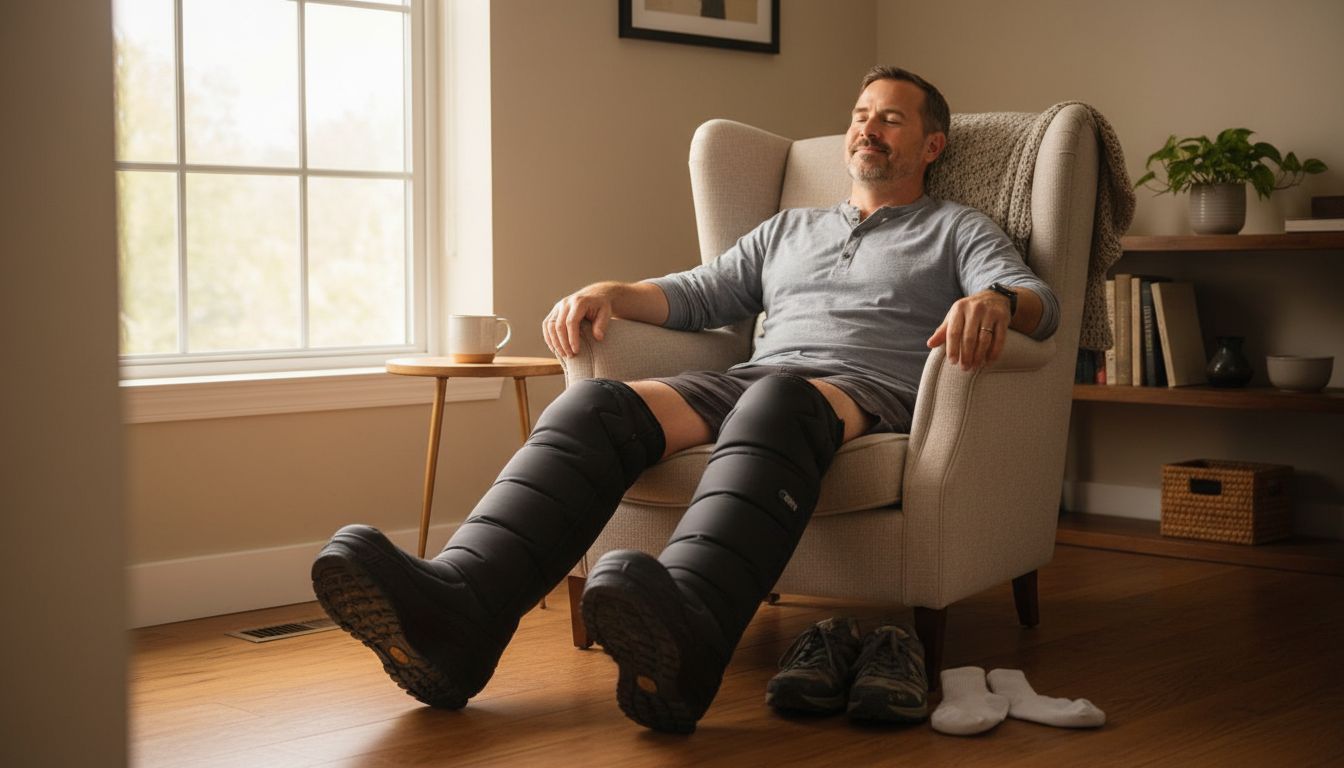
Compression recovery boots can be used at home during rest periods following longer walks.
Compression Recovery Boots
Advanced Circulation & Recovery Support
Compression recovery boots use air pressure chambers that inflate and deflate in sequence, creating a wave-like motion that moves upward along the legs. This provides a deeper level of circulation support compared to basic compression garments.
✅ Best For
- Walkers covering longer distances regularly
- Those experiencing slow recovery between walks
- Walkers wanting a more structured recovery routine at home
🧠 When to Choose This
If you feel that basic solutions like socks or sleeves aren't enough — or your legs feel consistently fatigued after walking — recovery boots offer a more advanced approach.
⚙️ Key Features
- Full-leg compression support
- Adjustable intensity levels
- Hands-free recovery sessions
- Sequential compression (moves upward along the leg)
💡 Why This May Help
After longer or more frequent walks, the body may struggle to fully clear fluid buildup in the legs. This can lead to heaviness, fatigue, or slower recovery.
Recovery boots simulate a pumping action through sequential compression, helping move fluid upward and supporting more complete recovery between sessions.
⚠️ Keep in Mind
- •Higher cost than basic tools
- •Typically used at home, not during activity
- •Best for consistent walkers, not occasional use
🔗 Not Sure If This Is Right for You?
👉 Find Your Walking PatternWhen to Use Compression Recovery Tools
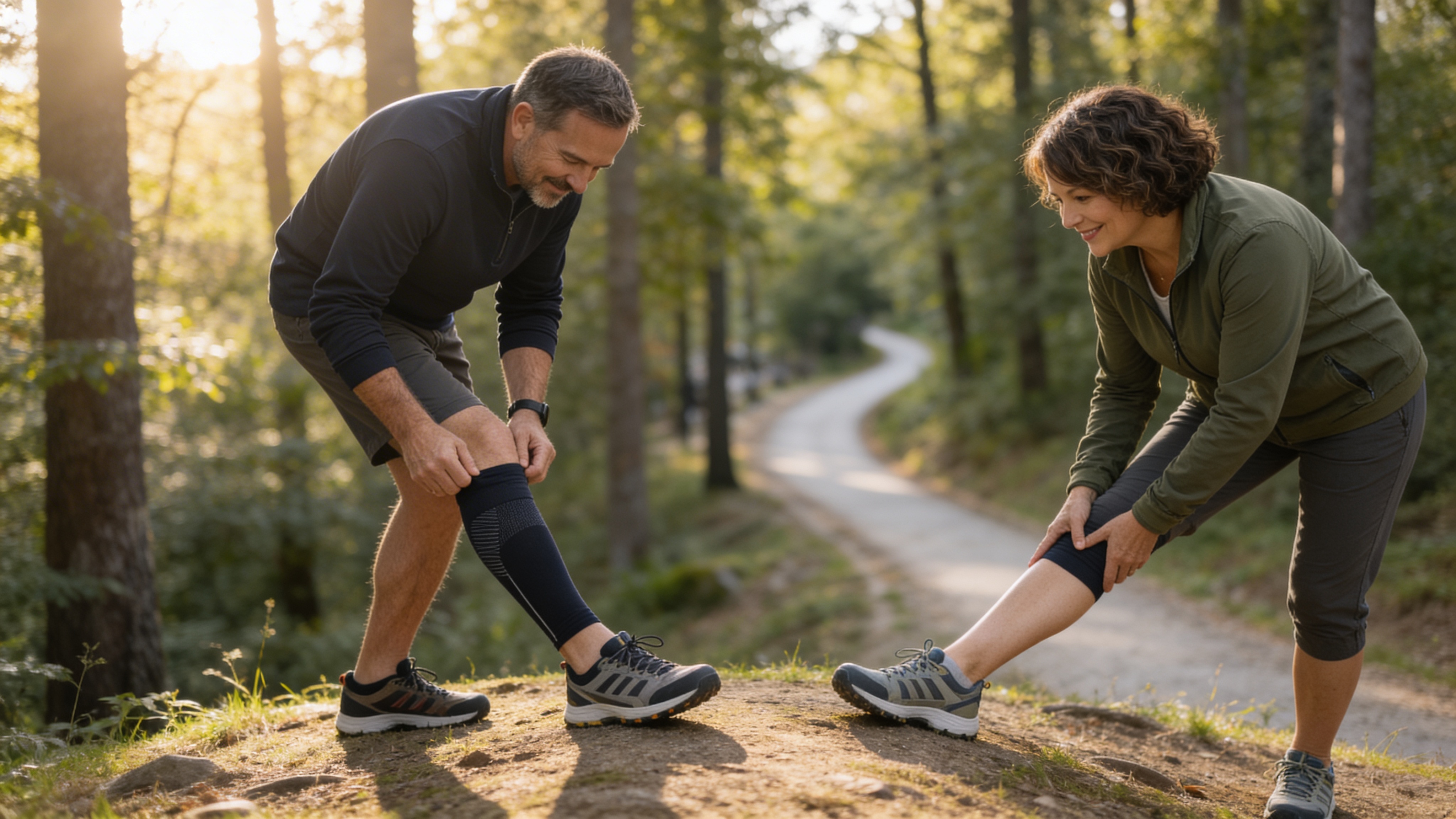
Compression sleeves are easy to put on before or after a walk and provide targeted calf support on the trail.
Many walkers use compression tools:
These tools are typically used for short recovery sessions following activity.
Supporting Long-Term Circulation Health
Circulation support is one aspect of maintaining comfortable movement.
Other factors that influence recovery include:
- Walking distance
- Hydration
- Stretching routines
- Supportive footwear
- Recovery habits
Combining healthy walking routines with recovery practices can help support long-term mobility.
Understanding your walking pattern helps you choose the right circulation support. The Framework is the place to start.
Which Walkers Benefit Most From These Tools
These tools are most helpful for:
Recovery-Focused Walkers
Feel it the next day more than during the walk. Muscles are slow to recover between sessions, and legs feel tight or fatigued after activity.
High Load Walkers
Walk longer distances and feel heaviness or fatigue building in the legs. Recovery takes longer than expected after active outings.
Not sure which of the 4 walking patterns fits you?
Related Guides
Understand Your Walking Pattern
Walking comfort and recovery are influenced by several factors. Find out which of the 4 walking patterns fits you and identify adjustments that support comfortable movement.
Find Your Walking PatternLimber Nation participates in various affiliate programs, which means we may earn a commission on purchases made through our links. This helps support our mission to provide free mobility awareness resources for adults over 50.